Where to Eat in Boston

Boston's dining scene reflects a city shaped by successive waves of immigration, a deep New England seafood tradition, and a younger-than-average population — the median age hovers around 33. With more than 3,000 restaurants and cafes mapped across the city and surrounding neighborhoods, visitors have a wide range of options regardless of cuisine preference, budget, or which part of the city they happen to be exploring. This guide covers where to look for food by neighborhood and cuisine type, along with notes on several long-running establishments that have become part of the city's documented dining identity.
If you're still building your Boston plans, the Boston Travel Guide: Things to Do, Landmarks, Food, and Itineraries offers a broad overview of the city, and the Boston 3-Day Itinerary includes meal-timing suggestions alongside sightseeing.
The North End: Italian-American Dining
The North End is one of the most compact and walkable neighborhoods in Boston, and it has long been associated with Italian-American food. Restaurants, bakeries, and cafes line Hanover Street and the smaller side streets branching off it. Expect pasta, wood-fired preparations, cannoli, and espresso within a short walk of one another. Because many spots are small, waits tend to run long on weekends — arriving early or confirming in advance whether a restaurant accepts reservations is worth the effort. The neighborhood sits close to the waterfront and the Freedom Trail, so it's a natural dining stop if you're already exploring the area covered in Top Landmarks in Boston.
Chinatown: Asian Cuisines in a Compact District
Boston's Chinatown, located just south of Downtown Crossing, holds one of the more concentrated clusters of Asian restaurants in New England. The neighborhood covers a relatively small footprint but includes Chinese, Vietnamese, Thai, Malaysian, and Japanese options within a few blocks. Several spots are open late by Boston standards, making Chinatown a practical choice after evening events at nearby theaters. Dim sum service is available at multiple restaurants on weekend mornings, though timing and availability vary — checking directly with each restaurant before you go is the reliable approach.
The South End: Diverse and Walkable
The South End runs along the MBTA Orange Line and draws a steady mix of residents and visitors. Its restaurant offerings span a wide range — Ethiopian, French-influenced American, Spanish tapas-style dining, and contemporary New American menus all have a presence here. You can walk a few blocks and find meaningfully different options without doubling back. The neighborhood's transit access is good, with both subway and bus service connecting it to the rest of the city.
Back Bay and Newbury Street
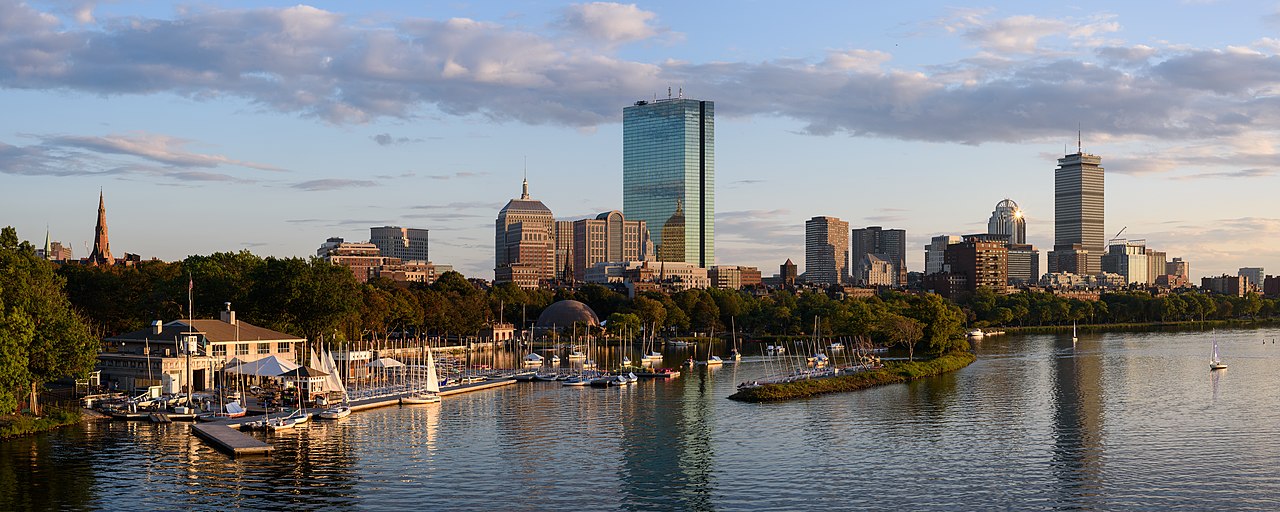
Back Bay is one of the more tourist-accessible parts of Boston, and its restaurant concentration reflects that. Newbury Street, Boylston Street, and the blocks around Copley Square include casual cafes, mid-range restaurants, and some higher-end dining. The area is within walking distance of the Boston Public Library and the Charles River Esplanade, so meals here fit naturally into a full day of sightseeing. If you're following the Boston 1-Day Itinerary, Back Bay is often a convenient midday stopping point.
The Seaport and Fort Point
The Seaport District, across the Fort Point Channel from downtown, has become one of the city's more active dining areas. It draws a mix of seafood-focused restaurants, casual lunch spots, and venues that cater to the district's convention and tech office crowds. New England seafood — clam chowder, lobster rolls, oysters, and various fish preparations — appears across menus here in many forms. The Institute of Contemporary Art is located in the Seaport, making this area practical for a meal before or after a visit there.
East Boston: Latin American Flavors
Accessible by subway via the Blue Line — check the MBTA website for current routes and tap-to-pay options at fare gates — East Boston has a well-documented concentration of Central and South American restaurants, taquerias, and pupuserias. The neighborhood is largely residential and sees fewer out-of-town visitors than the downtown core, but it's a practical option for those specifically seeking Latin American food. The range of options along Chelsea Street and its surrounding blocks is worth exploring if this cuisine is a priority.
Cambridge and Somerville: Just Across the River
Cambridge and Somerville are separate cities, but their restaurant scenes are practically continuous with Boston's from a visitor's perspective. Harvard Square in Cambridge offers cafes, international restaurants, and casual dining near the university. Inman Square and Central Square have long had a reputation for independent, non-chain spots across a range of cuisines. Somerville's Davis Square and Union Square are worth considering if you're spending time in the northern part of the metro area. The MBTA Red Line and several bus routes connect these areas to downtown Boston.
Food Near Major Landmarks
Boston has around 1,135 mapped attractions, museums, and historic sites in the area, and most neighborhoods with high landmark concentrations have nearby dining options. A few specific contexts are worth noting.
Faneuil Hall Marketplace and the Financial District: The blocks around Faneuil Hall are heavily trafficked, and food options range from quick-service stalls inside Quincy Market to sit-down restaurants on the surrounding streets. Quality and price vary considerably — looking a block or two off the main pedestrian path often turns up less crowded alternatives.
Fenway and the Museum of Fine Arts: The Fenway neighborhood has a cluster of restaurants along Boylston Street and Peterborough Street. On Red Sox game days, the area becomes noticeably more crowded and waits at popular spots increase accordingly. Heading a few blocks into the South End or Mission Hill can reduce frustration on busy evenings.
Along the Freedom Trail: The Freedom Trail winds through several distinct neighborhoods — Downtown, the North End, and Charlestown — so dining options shift depending on where you are along the route. The Best Things To Do in Boston page has more on the trail's general path and what's along the way.
Long-Running Establishments Worth Knowing About
A handful of Boston-area diners and restaurants have operated long enough to become part of the city's documented dining record. These aren't ranked here — just flagged as places with notable longevity.
Charlie's Sandwich Shoppe, open since 1927, is one of the longer-running food establishments in the city and is widely documented as a historically significant diner in the South End. Capitol Diner, open since 1928, operates in Lynn — just north of Boston — and is among the oldest continuously operating diners in the region. The Rosebud, open since 1941 in Somerville's Davis Square, is a classic diner that appears in multiple records of long-running New England diners. Town Diner, open since 1947 in Watertown, rounds out the cluster of mid-century diners still operating in the metro area.
In Cambridge, The Middle East has operated since 1970, beginning as a restaurant and later expanding into a music venue as well — a combination that makes it a somewhat unusual entry in the area's dining landscape.
For any of these, check current hours and availability on each restaurant's official website before visiting. Schedules and policies change, and it's worth confirming before you make the trip.
Practical Notes for Dining in Boston
Reservations are worth making for dinner at mid-range to higher-end restaurants, especially on weekends and during peak travel periods. OpenTable, Resy, and direct restaurant websites are the most common booking channels. For a broader sense of when Boston is busiest, the Best Time to Visit Boston page covers seasonal patterns that affect restaurants as much as attractions.
Boston's subway system, the MBTA, reaches most of the neighborhoods mentioned here. Contactless tap-to-pay is accepted at fare gates — check the MBTA's official site for current fares and any service updates before you travel. Parking in the city is limited and can be expensive, so transit is often the more practical option for an evening focused on dining, particularly if the meal includes drinks.
Tipping at full-service restaurants follows standard American practice. Some restaurants have moved to service-included pricing or apply automatic gratuities for larger parties; menus or servers will typically note this when it applies.
For broader visitor questions about getting around, neighborhoods, and logistics, the Boston FAQ covers the topics that come up most often.
A Few Notable Spots
Well-known, long-running places (sourced from Wikidata & OpenStreetMap) — not a ranking. Hours and availability change, so confirm on each restaurant's official site.


