Alexandria 3-Day Itinerary

Alexandria, Virginia sits just across the Potomac River from Washington, D.C., and it packs a surprising amount into a compact, largely walkable footprint. With roughly 157,000 residents and a historic core that has been continuously occupied since the mid-1700s, the city rewards visitors who stay long enough to move past the main waterfront strip and explore its quieter corners. Three days gives you enough time to cover the iconic landmarks, get into the neighborhoods, and venture outdoors — without feeling rushed or like you're skipping anything significant.
If your schedule only allows a single day, the Alexandria 1-Day Itinerary distills the highlights into a focused visit. For a fuller picture of what the city offers, the Alexandria Travel Guide is a good starting point before you arrive.
Day 1: Old Town Alexandria and the Waterfront
Old Town is where most first-time visitors begin, and the concentration of 18th- and 19th-century rowhouses, cobblestone stretches, and riverfront walkways within easy walking distance makes it a natural place to orient yourself.
Morning: King Street and the Historic Core
Start on King Street, Alexandria's main commercial corridor, which runs from the Metro station all the way down to the Potomac. The street is lined with independent shops, cafes, and a handful of well-known historic sites that are easy to string together on foot.
The Stabler-Leadbeater Apothecary Museum is an early stop worth making. Housed in what was one of America's longest-operating apothecaries — it closed in 1933 — the museum preserves original wooden shelving, hand-blown glass bottles, and medicinal herbs largely as they were left. Check the official site for current hours and admission before you go.
A few blocks away, Gadsby's Tavern Museum occupies two interconnected 18th-century buildings that once served as a hub of colonial social and political life. George Washington dined and danced here on multiple occasions; today the museum offers tours of the restored interiors. Confirm hours and fees on the official site.
The Carlyle House Historic Park is another solid morning stop — a Georgian Palladian manor built in the 1750s that served as a military headquarters during the French and Indian War. The grounds and interior offer a detailed look at what prosperous colonial-era Alexandria actually looked like.
Midday: Lunch Near the Waterfront
For lunch, the blocks between King Street and the riverfront offer a wide range of options. Alexandria's restaurant scene leans toward independent spots, and this part of Old Town has a good concentration of them — seafood-forward places, casual tavern-style spots, and cafes suited to a mid-walk break. Arriving a little before or after the peak lunch window helps avoid a long wait.
Afternoon: The Torpedo Factory and the Waterfront
The Torpedo Factory Art Center occupies a converted munitions warehouse directly on the waterfront. It now houses working artist studios, galleries, and the Alexandria Archaeology Museum. You can observe artists at work in their studios and browse rotating exhibits — it's an unusual setup that distinguishes Alexandria from many comparable historic cities. The archaeology museum inside displays artifacts excavated from sites around Alexandria, which gives useful context to the colonial streetscape you've been walking through all morning.
After the Torpedo Factory, walk the marina and waterfront area in both directions. The Potomac views here are wide, and the walking path connects north and south to the Mount Vernon Trail. This is a pleasant stretch in any season, though summer afternoons can be warm.
Evening: Dinner in Old Town
Old Town has plenty of dinner options concentrated within a few walkable blocks. The area around the waterfront and the side streets off King Street tends to be busier on weekend evenings, so factor in a potential wait or make a reservation in advance.
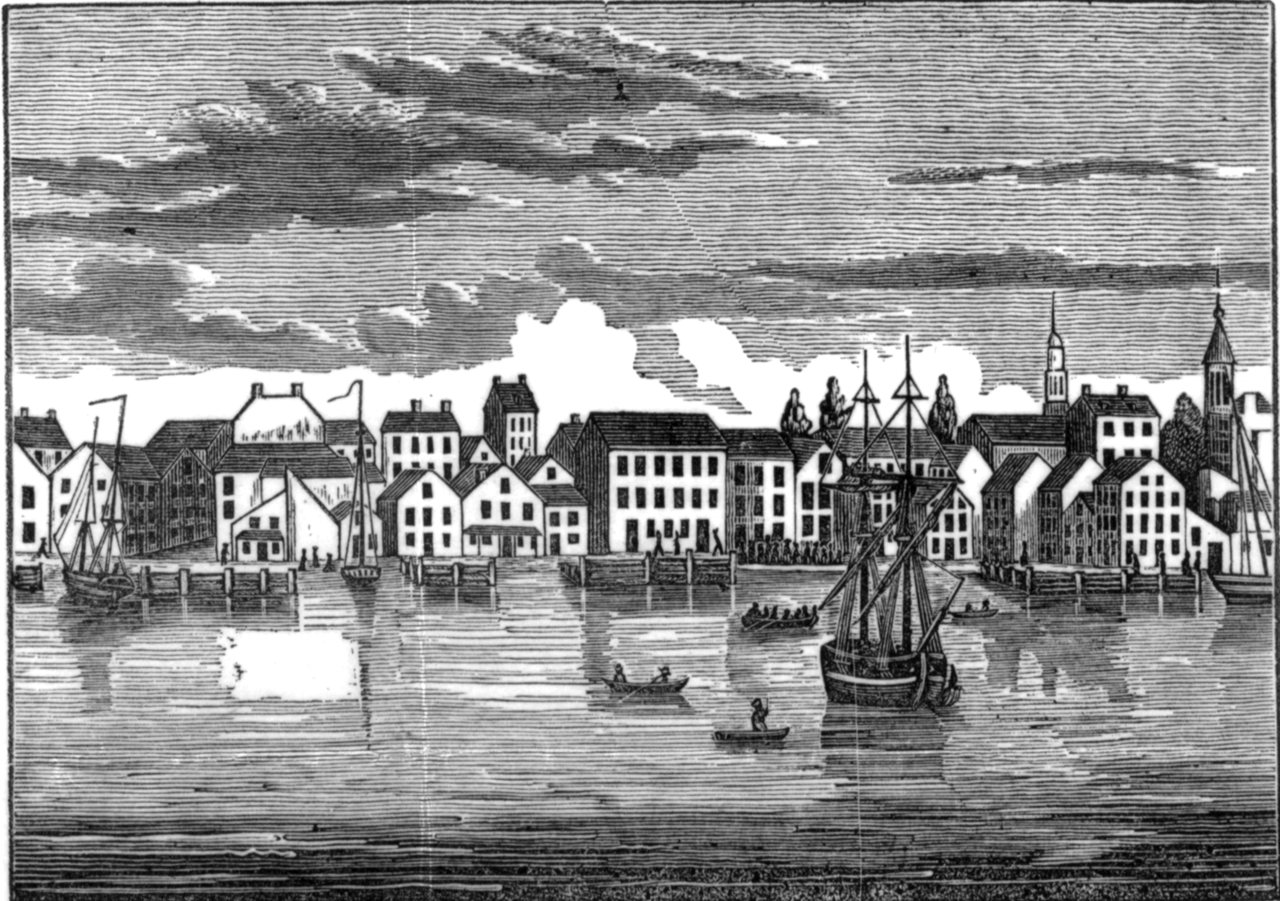
Day 2: Del Ray, the Masonic Memorial, and Local Neighborhoods
Day 2 is about stepping back from the tourist core and spending time in parts of Alexandria that locals use regularly.
Morning: George Washington Masonic National Memorial
Start with the George Washington Masonic National Memorial, which sits atop a hill at the western end of King Street and is visible from much of the city. The structure is an interpretation of the ancient Lighthouse of Alexandria and contains a large bronze statue of Washington, extensive Masonic artifacts, and a memorial hall worth spending at least an hour in. Tours run throughout the day; check the official site for the current schedule and admission information. The view from the upper observation levels gives a useful geographic sense of Alexandria and the surrounding region — you can pick out landmarks from Old Town to the monuments across the river.
Midday: Del Ray
Head north to the Del Ray neighborhood, a walkable residential area centered on Mount Vernon Avenue. Del Ray has its own commercial strip with independent restaurants, bakeries, and small shops that feel distinctly neighborhood-scale rather than geared toward visitors. It's a good place to have a casual lunch and take a slower pace. A weekly outdoor farmers market operates in the neighborhood if your timing lines up — check local listings for the current schedule.
Afternoon: Freedom House Museum and The Lyceum
Back toward Old Town, the Freedom House Museum occupies the site of one of the largest domestic slave trading firms in antebellum America. The museum documents the domestic slave trade in Alexandria and across the South, and it is among the most historically significant sites in a city with a complicated and layered past. Plan for a focused, unhurried visit — this is not a place to rush through.
The Lyceum, Alexandria's History Museum is a short walk away and covers the broader arc of Alexandria's history from its founding through the 20th century. It serves as a useful complement to Freedom House, placing the city's history in fuller context and filling in periods the other museums don't cover as thoroughly.
Evening: Dinner in Del Ray or Back in Old Town
Del Ray's dining options tend toward the casual and locally owned. Whether you stay in the neighborhood or return to Old Town for dinner, Alexandria's dining density — the city and surrounding area have well over 4,000 mapped restaurants and cafes — means you are rarely far from something worth stopping for. The Where to Eat in Alexandria page offers neighborhood-by-neighborhood guidance.
Day 3: Outdoors, the Potomac, and Mount Vernon
Day 3 leans on Alexandria's outdoor assets and takes advantage of its position along the Potomac and its proximity to one of the Washington region's most commonly visited historic estates.
Morning: Mount Vernon Trail and Jones Point
The Mount Vernon Trail is a paved multi-use path that runs along the Virginia side of the Potomac from Theodore Roosevelt Island south to George Washington's Mount Vernon estate — roughly 18 miles total. You don't need to cover the full length; even a portion of the trail near Old Town gives a strong sense of the river and its wooded shoreline corridor. Capital Bikeshare stations near the waterfront make bikes a practical option for this segment. Check the Capital Bikeshare app or website for current station availability and pricing before you set out.
The southern end of the trail passes through Jones Point Park, a National Park Service site at the tip of the Alexandria peninsula where the Potomac and Hunting Creek meet. The park contains a small lighthouse and one of the original boundary markers placed to survey the District of Columbia — an easy, low-key stop that most visitors skip but that rewards the curious.
Midday: Mount Vernon
George Washington's estate at Mount Vernon sits about eight miles south of Old Town along the river. Most visitors drive, though the Mount Vernon Trail connects to the estate if you are up for a longer bike ride. The estate includes the mansion, outbuildings, Washington's tomb, a large museum, and working farm areas — plan for two to three hours to see it thoroughly. The official Mount Vernon website has current hours, admission information, and details on any timed-entry requirements, which can apply during busier periods. Food options are available on the grounds, or you can bring a picnic — check the estate's current visitor guidelines before arrival.
Afternoon: Back in Alexandria — Trails or a Park
If you are back in Alexandria by mid-afternoon, Cameron Run Regional Park offers family-oriented outdoor activities on its grounds. For a quieter option, the Four Mile Run Trail runs through the northern end of Alexandria into Arlington, following a creek corridor through a mix of parks and neighborhoods. It connects to the broader regional trail network and is well-suited to a relaxed afternoon walk or ride.
Alternatively, the waterfront parks in Old Town are a perfectly reasonable place to wind down on your last afternoon — the riverfront stretch near the marina sees steady foot traffic and offers a comfortable place to sit before dinner.
Evening: Final Dinner in Old Town
For a final evening, Old Town's central strip gives you the most options within a short walk of each other. The neighborhood has a noticeable after-dinner street life on warm evenings, and it's a natural place to finish a three-day stay in Alexandria.
Getting Around Alexandria
Alexandria is walkable enough that you can cover Old Town and most of Day 1 and Day 2 almost entirely on foot. The King Street–Old Town Metro station (Blue and Yellow lines) puts you within a short walk of the historic core, and local bus service reaches parts of the city the Metro doesn't directly serve. Contactless tap-to-pay is accepted on transit — check WMATA's website for current fares and schedules.
For Day 3, a car or bike gives you more flexibility, especially for the Mount Vernon leg. Ride-share services are readily available throughout Alexandria. A free shuttle operates along King Street between the Metro station and the waterfront during certain hours — verify current service on the DASH Transit website, as schedules can vary by season.
Planning Notes
Three days in Alexandria rewards a mix of pacing. Some mornings lend themselves to structured museum visits, while afternoons and evenings work well for wandering with less of a plan. If you need to trim this itinerary, the Best Things To Do in Alexandria and Top Landmarks in Alexandria pages can help you prioritize. For timing advice around weather and crowds, the Best Time to Visit Alexandria page covers the seasonal tradeoffs. Common logistics questions — parking, transit, day-trip logistics — are addressed in the Alexandria FAQ.
Alexandria rewards visitors who give it more than a day trip from D.C. The city is compact enough to cover on foot but layered enough that a three-day stay still leaves things worth returning for.