Tysons 3-Day Itinerary
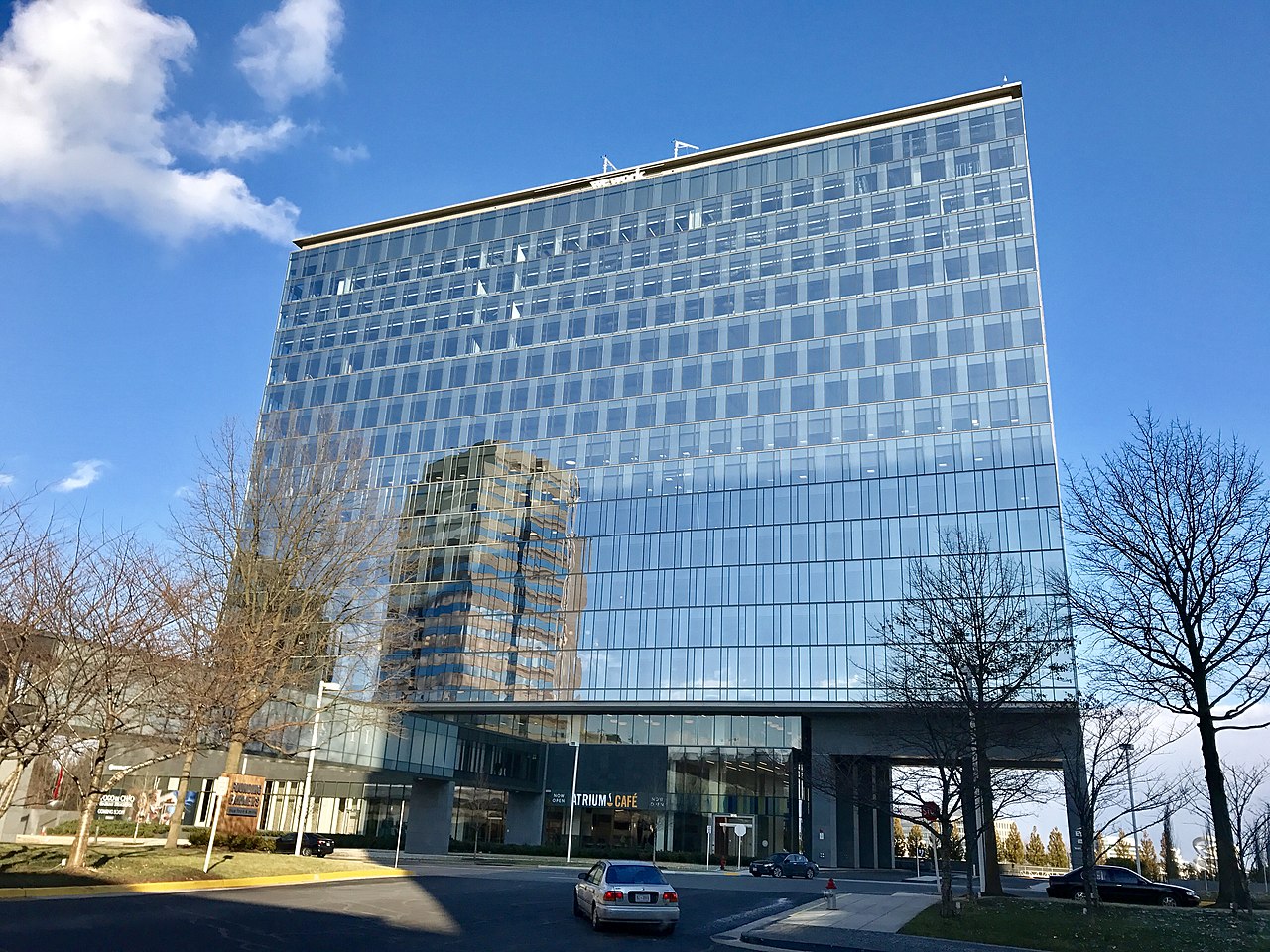
Tysons, Virginia has undergone a genuine transformation over the past decade. The arrival of the Silver Line Metro converted what was once a drive-only commercial cluster into a walkable urban district with approximately 465 mapped attractions, museums, and historic sites in the broader area, and well over 2,000 dining options spread across its corridors and neighboring communities. Three days gives you enough time to move through Tysons' distinct personalities: its polished commercial core, its accessible green edges, and the broader Northern Virginia landscape within easy reach. If your schedule is tight, the Tysons 1-Day Itinerary covers the essential highlights. Otherwise, here's how to spread things out over a full three-day visit.
Day 1: The Urban Core and the Shopping District
The commercial heart of Tysons is the most logical starting point—particularly if you're arriving via Metro. Day 1 is well-suited for settling into the area, getting your bearings, and exploring the two retail anchors that shaped the community's identity long before the Metro arrived.
Morning
Begin at Tysons Corner Center, one of the largest shopping centers in the Washington metropolitan region. Even if retail isn't your priority, the scale of the complex is genuinely worth seeing—the mall connects directly to the Tysons Metro station on the Silver Line, so arriving without a car is straightforward. Before you go, check the mall's website for current hours and any temporary closures.
Spend the morning exploring the interior. The range of stores is broad, and the food court and surrounding cafés give you plenty of options for breakfast or a mid-morning coffee. The mall connects to several adjacent buildings, so the experience extends beyond the main atrium.
Midday
Take the Metro one stop to Greensboro station, which puts you near Tysons Galleria. The Galleria tends toward a quieter, more curated atmosphere than the Corner—it skews upscale and moves at a different pace. It's worth a walk-through to compare the two retail environments and to browse the ground-floor dining options.
For lunch, the Galleria and the surrounding blocks have a diverse selection of sit-down restaurants and quick-service spots. The Where to Eat in Tysons page gives an overview of the dining landscape if you want guidance on what's in the area before you arrive.
Afternoon
After lunch, explore the mixed-use development adjacent to the Galleria, sometimes referred to as the Lerner Town Square area. The open-air plazas here are well-designed for walking and sitting, and they tend to host seasonal events and pop-ups—check local event calendars for current programming before your trip.
The Capital One Hall performing arts venue is nearby and draws a range of national and local acts across music, theater, and comedy. Check their schedule online if live performance interests you; ticket availability varies considerably by show and season.
Evening
The Tysons Metro corridor has a solid concentration of dinner options within walking distance of the stations, ranging from casual to more polished sit-down restaurants. After dinner, the plaza lighting and foot traffic in the Tysons urban core give the area a more animated feel than much of suburban Northern Virginia—it's a pleasant area for an evening walk before calling it a night. The Best Time to Visit Tysons page has seasonal notes worth consulting before your trip.

Day 2: Green Space, Local Character, and Quieter Streets
Day 2 shifts the focus away from the commercial core and toward the green corridors and residential communities that give Tysons its quieter counterweight.
Morning
Scotts Run Nature Preserve sits just at Tysons' edge, accessible off the George Washington Memorial Parkway. The preserve spans several hundred acres of forested terrain with trails that lead down to the Potomac River. It's one of the more accessible natural areas for visitors staying in Tysons—no long drive required. The trails range from gentle paths to more uneven terrain near the river's edge. Give yourself at least two hours if you want to reach the water, and check current trail conditions through the Fairfax County park system website before you head out, especially after heavy rain.
Midday
From the preserve, make your way north into McLean, the adjacent residential community that borders Tysons and has a noticeably different character. The older commercial district along Chain Bridge Road and Old Dominion Drive has a mix of locally owned restaurants and cafés that feel more neighborhood-scaled than the Tysons mall corridors. Grab lunch there and take your time.
McLean Central Park is a short walk from the village center and offers a good midday pause—it's a low-key Fairfax County park frequently used by locals and well-suited for sitting outside when the weather cooperates.
Afternoon
Return toward Tysons and spend the afternoon paying attention to the public spaces that have emerged from the urban redevelopment effort. Each of Tysons' four Silver Line stations—Tysons, Greensboro, Spring Hill, and McLean—has a distinct plaza design, and walking the stretches between them is an effective way to observe the community's ongoing evolution at ground level.
If you have questions about how Tysons works—its planning history, its demographics, what's changed and what's still in flux—the Tysons FAQ is a useful reference to consult.
Evening
For dinner on Day 2, the dining options near the Spring Hill station area tend to be less congested than the mall-adjacent spots and draw a neighborhood crowd. Tysons has a relatively young population with a median age around 36, and the restaurant variety tracks that—expect a wide range of international cuisines across the district. End the evening at whatever pace suits you; the area is walkable and generally quiet after the dinner hour.
Day 3: Day Trips and Outdoor Escapes
Tysons is well-positioned as a base for Northern Virginia's broader landscape, and Day 3 takes advantage of that geography. A rental car or rideshare works best for this day.
Morning: Wolf Trap National Park for the Performing Arts
Wolf Trap National Park for the Performing Arts is the only national park in the United States dedicated to the performing arts, and it's just a few miles from Tysons in Vienna, Virginia. The Filene Center—an open-air covered amphitheater—hosts a full season of performances during warmer months, ranging from classical and opera to folk, pop, and international acts. Wolf Trap publishes its schedule online; check well in advance for popular shows, as tickets for high-demand performers sell out quickly.
Even when there's no performance scheduled, the park grounds are open for walking and picnicking. The wooded setting is pleasant for a morning visit regardless. This is a National Park Service site; confirm current access, hours, and any entry requirements through the official NPS or Wolf Trap website before visiting.
Midday: Great Falls Park
Head northwest along the George Washington Memorial Parkway to reach Great Falls Park, an NPS-managed site where the Potomac River narrows into a dramatic series of cascading rapids. The overlooks along the park's trail system offer some of the more striking natural scenery in the Washington area—the combination of water volume, rocky terrain, and forested gorge is genuinely impressive. Trails range from flat accessible walks to more technical paths near the river's edge; consult the park map at the visitor center or online before you hike.
Bring water, wear appropriate footwear, and exercise care near the rocks—the surfaces close to the water can be slippery. Parking at Great Falls Park operates on a fee or timed-entry system that changes seasonally; check the NPS website for current entry information before you arrive. Plan at least two to three hours here. The visitor center has exhibits on the park's geology and the history of the Patowmack Canal, which adds useful context for what you're seeing at the overlooks.
Afternoon
On your return from Great Falls, the George Washington Memorial Parkway itself is worth slowing down on—several pullouts and small trailheads offer quick walks with river views, and the parkway corridor is managed by the NPS as a scenic road. It's a low-effort way to extend the outdoor portion of the day.
If you still have energy heading into the afternoon, Chesapeake and Ohio Canal National Historical Park is accessible from the Maryland side of Great Falls, a short distance across the river. The C&O Canal towpath runs for roughly 185 miles and is well-used by cyclists and walkers near the Great Falls section. Even a short walk along the towpath gives a sense of its scale and the canal's history as a 19th-century freight corridor. Check NPS information for current access and parking.
Evening: Back in Tysons
Return to Tysons for your final evening. After a day outdoors, the dining cluster near the Tysons Metro station is a convenient place to wind down—a range of options is within walking distance, and the area is easy to navigate on foot. It's a good night to try something you didn't get to earlier in the trip.
If you want to revisit what you may have missed or plan a return visit, the Best Things To Do in Tysons and Top Landmarks in Tysons pages are good resources to review before you head home.
Practical Notes for Three Days in Tysons
Getting around: The four Silver Line Metro stations—Tysons, Greensboro, Spring Hill, and McLean—cover the urban core well. Tap-to-pay with a contactless credit or debit card works at Metro fare gates; check the WMATA website for current fare information. A rental car or rideshare is useful for Day 3 destinations including Scotts Run, Wolf Trap, and Great Falls Park, which are not easily reached by transit.
What to wear: Tysons itself is walkable but polished—comfortable shoes that work for both mall corridors and paved plazas are a good call. Day 3 requires footwear appropriate for uneven trails and potentially wet rock surfaces near the river.
Staying oriented: The Tysons Travel Guide is the best starting point for a full picture of the area and links to all the topic pages referenced throughout this itinerary.
Tysons rewards visitors who give it more than a single afternoon. The urban energy of the commercial core, the accessible natural areas on its edges, and the range of NPS sites within a short drive make for a three-day trip that covers genuinely different terrain each day without requiring a car for every outing.