Where to Eat in Seattle

Seattle's food landscape reflects the same mix of water, mountains, and Pacific Rim influence that defines the city itself. With more than 3,500 mapped restaurants, cafes, and food establishments across its neighborhoods, Seattle offers a wide range of cuisines and dining styles — from early-morning fish markets and longstanding diners to Japanese izakayas, Ethiopian injera houses, and contemporary Pacific Northwest kitchens.
This guide covers where to look for food across Seattle's distinct neighborhoods, what types of cuisine tend to cluster where, and how to find meals near the city's most commonly visited landmarks. For a broader picture of what the city has to offer, see the Seattle Travel Guide: Things to Do, Landmarks, Food, and Itineraries.
Pike Place Market and Downtown
Pike Place Market sits at the north end of the downtown waterfront and anchors one of Seattle's most food-dense corridors. The market houses fishmongers, produce vendors, specialty food shops, and a collection of small restaurants and counter-service spots, most of which draw from locally sourced ingredients. Fresh Dungeness crab, smoked salmon, and Pacific oysters are among the staples you'll regularly encounter.
The surrounding downtown streets extend the options considerably — Japanese ramen shops, Chinese dim sum, Vietnamese pho, and quick-service sandwich counters all sit within a short walk of the market. Lunch crowds here tend to be dense on weekdays, so mid-afternoon visits often mean shorter waits.

Capitol Hill
Capitol Hill is one of Seattle's most walkable and food-forward neighborhoods, with a concentration of independent restaurants, cafes, and late-night options along and around Broadway and the Pike/Pine corridor. The neighborhood draws a range of cuisines — Italian, Mexican, Vietnamese, Ethiopian, and New American all have solid representation here, and the density of options makes it easy to make a decision on the spot.
HoneyHole Sandwiches is a long-running Capitol Hill spot widely documented as a neighborhood staple. It's well-known for its sandwich menu and unpretentious setting — the kind of place that has built a consistent following over time. Confirm current hours directly before visiting.
Fuel Coffee & Books is another well-known Capitol Hill presence, combining coffee and a used book collection in a format that has attracted steady local attention. Hours and current offerings are best confirmed through their own channels.
For visitors spending more than a day in the city, Capitol Hill appears in the Seattle 3-Day Itinerary as a natural base for evening dining and exploration.
Chinatown-International District
The Chinatown-International District — commonly called the C-ID or the ID — is Seattle's primary hub for East and Southeast Asian dining. Chinese, Japanese, Vietnamese, Filipino, and Korean cuisines are all represented in a relatively compact area just south of downtown. The neighborhood's older storefronts and covered walkways house a mix of longstanding family-run restaurants, bakeries, bubble tea shops, and grocery stores that double as food destinations.
Dim sum is a particular draw on weekend mornings, with several large-format restaurants filling quickly by mid-morning. Japanese ramen, Korean fried chicken, and Vietnamese bánh mì are also easy to find throughout the district at various price points.
Belltown and South Lake Union
Belltown, just north of Pike Place, blends a residential feel with a concentrated strip of bars and restaurants along 1st and 2nd Avenues. The area tends toward New American, Italian, and global-fusion kitchens, with a handful of late-night spots and cocktail-forward bars that also serve serious food.
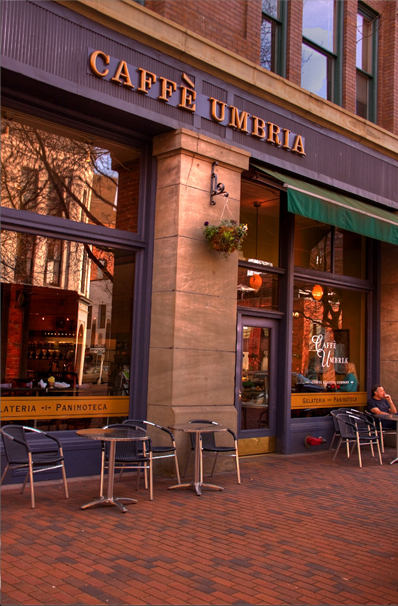
Caffè Umbria, a well-known Italian coffee roasting brand with documented roots in Seattle, has a cafe presence in the city that has attracted consistent attention over the years. Check their official site for current location details and hours, as these things can change.
South Lake Union, further north and more recently developed, has grown into a tech-adjacent district with a younger restaurant scene. Lunch spots have multiplied in recent years, and a number of fast-casual and chef-driven restaurants have opened along Westlake Avenue and the surrounding blocks. It's a practical area for a working lunch but has grown into a dinner destination as well.
Ballard
Ballard, on Seattle's northwest side, has developed a reputation for independent restaurants over the past two decades. The main commercial corridor along Ballard Avenue and Market Street runs a range of options — seafood, Scandinavian-influenced dishes (a nod to the neighborhood's historical character), craft brewery taprooms with food programs, and upscale Pacific Northwest dining.
Ballard is particularly well-suited for a weekend afternoon that combines a farmers market visit, coffee stops, and a proper dinner without much driving. Restaurants here tend to fill up early on Friday and Saturday evenings, so reservations are worth making in advance where available.
Fremont and Wallingford
Fremont, north of Seattle's downtown core, carries an eclectic neighborhood identity that extends into its food options. The streets around the Fremont Bridge and Aurora Avenue host a mix of casual eateries, taco trucks, Vietnamese restaurants, and sit-down spots. Sunday markets in warmer months often come with street food vendors that draw crowds from across the city.
Wallingford, adjacent to Fremont, is quieter but has a solid stretch of independent restaurants along 45th Street — Thai, Indian, pizza, and American diners all within a few blocks of each other. Both neighborhoods reward exploratory walking more than rigid advance planning.
Pioneer Square
Pioneer Square, Seattle's oldest neighborhood, sits between downtown and the sports stadiums to the south. Its restaurant options are especially active on event days, when crowds from the nearby stadiums fill the bars and quick-service spots in the surrounding blocks.
On non-event days, Pioneer Square is quieter and home to a more curated selection of restaurants in its repurposed brick buildings. Lunch tends to draw downtown workers; evenings can be more relaxed outside of game days. The area also hosts a number of art galleries whose opening events can make certain evenings more lively than usual.
Eastlake and Lake Union
The Eastlake neighborhood runs along the eastern shore of Lake Union and is smaller and less trafficked than Capitol Hill or Ballard. It holds a few well-known spots that draw people specifically.
Voula's Offshore Cafe is a long-running, widely documented diner-style spot in this part of the city with a following built over many years. It's the kind of place that shows up consistently when locals talk about neighborhood anchors. As with any restaurant, confirming current hours directly before making a trip is the sensible approach.
Ltd Edition Sushi is another documented Seattle restaurant worth keeping in mind for visitors specifically looking in the sushi category. For current location details and hours, the restaurant's own site is the most reliable source.
West Seattle
West Seattle, accessible by bridge or water taxi from downtown, offers a neighborhood dining experience that feels distinct from the denser urban core. The Junction — the commercial center at the intersection of California Ave SW and SW Alaska St — is where most of the food options cluster. Greek, Thai, barbecue, and brunch-focused spots all have a presence here.
The King County Water Taxi route to West Seattle arrives near Alki Beach — confirm current routes, schedules, and fares at King County Metro's official site before visiting. A handful of casual seafood and burger spots face the water. Alki's dining tends to be more seasonal and casual than the Junction, but the combination of a short ferry ride and a waterside meal makes it a popular way to spend a warmer afternoon.
Food Near Major Landmarks
If you're spending time near the Space Needle and Seattle Center, the lower Queen Anne neighborhood directly to the south has a solid concentration of restaurants catering to pre-show and post-event diners. Italian, sushi, Thai, and upscale American kitchens all appear within easy walking distance of the main attractions.
Near Pioneer Square, options tend toward casual during the day and bar-forward in the evenings. The stadium district shifts unpredictably depending on the event schedule — weekday afternoons can be quiet, while weekend evenings with games can see long waits almost everywhere nearby.
The Top Landmarks in Seattle page covers the most commonly visited sites and can help with meal planning around specific spots on your agenda.
Getting Around to Eat
Seattle's neighborhoods are spread across hills, waterways, and bridges, which makes walking the full city impractical. Light rail connects downtown to Capitol Hill, the University District, and several other stops — contactless payment is accepted at many locations — confirm current payment options on Sound Transit's official site along with fares and service maps before you go. Buses extend coverage across the city, and rideshare is widely available.
Parking varies significantly by neighborhood. Capitol Hill and Belltown can be tight on evenings and weekends. Ballard and Fremont have more street parking but fill up on busy nights. If you're visiting a specific restaurant, checking whether they validate parking or have nearby garages is a worthwhile step before heading out.
Planning Your Meals
Seattle's restaurant scene rewards flexibility. Walk-ins work for many spots at off-peak hours; popular restaurants on weekend evenings typically fill quickly. Most use online booking systems — checking a day or two in advance is usually sufficient for neighborhood spots, though well-known or smaller venues may book further out.
The Seattle 1-Day Itinerary and Seattle 3-Day Itinerary both include meal timing suggestions built around the city's major attractions. The Best Time to Visit Seattle page has notes on how season affects the overall experience, including outdoor dining and farmers market availability. For general visitor questions about getting around and neighborhood basics, the Seattle FAQ is a useful starting point.
Seattle's size and diversity mean there's rarely a shortage of options — the challenge is usually narrowing things down rather than finding something to eat. Knowing roughly what each neighborhood does well, and building in a little time to wander, makes the process considerably more manageable.
A Few Notable Spots
Well-known, long-running places (sourced from Wikidata & OpenStreetMap) — not a ranking. Hours and availability change, so confirm on each restaurant's official site.