Best Things To Do in Santa Cruz

Santa Cruz, California, sits where the Santa Cruz Mountains meet the northern edge of Monterey Bay, and that combination shapes most of what visitors come to do here. The city, home to roughly 61,000 residents according to the U.S. Census Bureau's 2024 ACS 5-year estimates, balances a beach-town identity with a university presence and a long-standing surf culture, which shows up in everything from the waterfront to the neighborhoods just inland. This guide groups the main activity categories — outdoor spaces, waterfront and view spots, museums and culture, historic sites, and walkable neighborhoods — and notes which are typically free to explore versus ticketed. For a broader overview of the destination, see the Santa Cruz Travel Guide: Things to Do, Landmarks, Food, and Itineraries.
Parks and the Outdoors
Santa Cruz's setting between mountains and coastline gives it an unusual range of outdoor options within a short drive of downtown. Redwood forest is the standout inland draw, with old-growth and second-growth groves accessible via hiking trails that range from short interpretive loops to longer backcountry routes. These forested parks are generally free to enter, though some may charge for parking, so it's worth checking the official park website before a visit rather than assuming a fee structure.
Closer to the water, coastal bluff trails and beach access points run along much of the shoreline, offering walking and cycling routes with ocean views. Several beaches in and around the city are popular for surfing, tide-pooling, and simply walking, and most public beach access remains free. Wildlife viewing is also part of the outdoor draw here — seasonal opportunities to spot marine mammals along the coast are common, and interpretive signage at several overlooks explains what to look for.
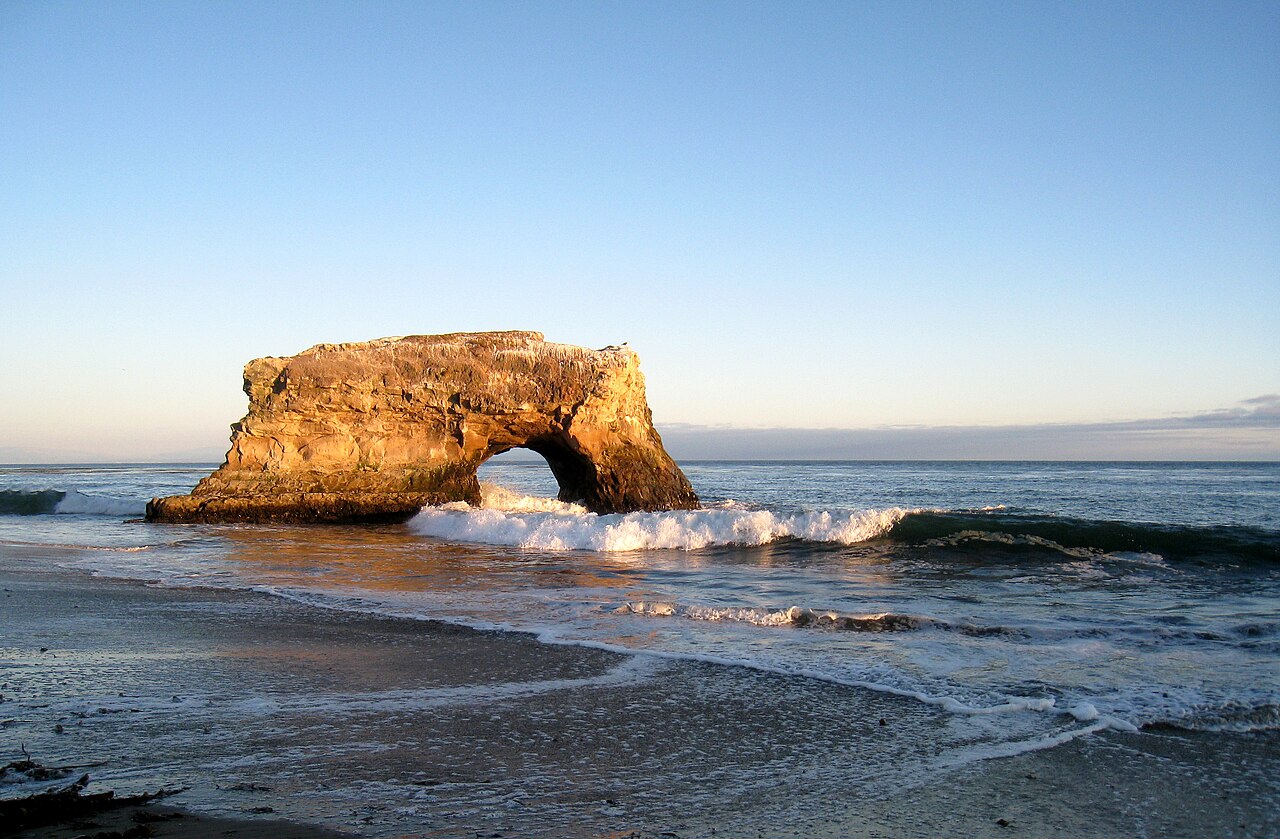
Waterfront and Views
The waterfront is arguably the most recognizable part of Santa Cruz, anchored by a municipal wharf that extends out over Monterey Bay and a beachfront amusement area nearby. Walking the wharf is free, and it offers views back toward the city as well as toward the surrounding coastline; some businesses and activities on the wharf itself are ticketed. The adjacent boardwalk and its rides operate on a pay-per-ride or pass basis, so travelers should confirm current pricing directly through the operator rather than relying on secondhand figures.
Beyond the wharf, a number of coastal overlooks and lighthouse points offer views of the bay and, depending on the spot, a look at surfers working the breaks below. These viewpoints are typically free and accessible via short walks from parking areas. For a curated look at specific landmarks along the coast and elsewhere in the city, the Top Landmarks in Santa Cruz page goes into more detail.
Museums and Culture
Santa Cruz supports a handful of small and mid-sized museums that cover local history, surf culture, and natural science. A surfing history museum housed in a lighthouse building is a commonly visited stop for anyone interested in the sport's regional roots, and it typically operates on a donation or modest admission basis — check the official site for current details. Local history museums downtown cover the area's Indigenous, agricultural, and maritime past, while a hands-on science-focused museum aimed at families rounds out the cultural offerings.
The University of California, Santa Cruz campus, set in the hills above downtown, also contributes to the city's cultural life through public lectures, an arboretum, and occasional exhibitions, some of which are free and open to visitors. Because museum hours and admission policies change, it's best to verify specifics with each institution before planning a stop.
Historic Sites
Santa Cruz's history stretches back through Indigenous Ohlone settlement, Spanish mission-era development, and a 19th- and early 20th-century identity built around logging, lime production, and eventually tourism. That layered past is reflected in a number of sites listed on the National Register of Historic Places, a federal list of historically significant properties administered by the National Park Service — a listing that recognizes historic status but does not make a site an NPS park unit. These sites include downtown buildings, mission-era structures, and residential architecture from the city's early growth period. Walking past these sites is generally free, though some buildings that now house museums or offices may have separate visiting policies.
A reconstructed adobe building associated with the city's mission-era past is one of the more commonly referenced historic stops, offering a tangible link to that period of California history. As with other ticketed or restricted sites, confirm current visiting details before making a special trip.
Neighborhoods to Wander
Beyond individual attractions, several Santa Cruz neighborhoods reward simply walking around. Downtown, centered on Pacific Avenue, mixes independent shops, restaurants, and public art in a compact, pedestrian-friendly strip. The Beach Hill and Beach Flats areas near the wharf offer a more residential, close-to-the-water feel, while the Westside offers a walkable corridor with breweries, coffee roasters, and casual dining spread throughout.
As in any city, it's worth applying ordinary urban awareness when walking at night or in less-trafficked areas, and keeping valuables out of sight in parked cars near beach lots is a common-sense precaution locally.
Planning Around Free and Ticketed Options
Broadly, outdoor spaces — beaches, coastal trails, redwood parks, and public overlooks — make up the bulk of the free activities in and around Santa Cruz, while the boardwalk's rides, some museum exhibits, and select guided tours fall into the ticketed category. Mixing both types across a visit tends to work well logistically, since outdoor stops don't require advance planning around opening times the way museums or paid attractions do.
For help sequencing these categories into an actual visit, the Santa Cruz 1-Day Itinerary and Santa Cruz 3-Day Itinerary lay out route-based plans, and the Best Time to Visit Santa Cruz page covers seasonal considerations like weather and wildlife viewing windows. If you're also planning meals around these stops, Where to Eat in Santa Cruz outlines the general dining landscape by neighborhood, and the Santa Cruz FAQ answers common logistical questions about getting around and visiting the area.