Best Time to Visit San Rafael
San Rafael sits inland in Marin County, which gives it a different weather pattern than the coastal fog belt closer to the Golden Gate. Because the city is tucked behind hills and ridgelines — including San Rafael Hill, which rises just south of downtown — it sees more sun and less marine layer than towns directly on San Francisco Bay's western shoreline, though conditions can still shift quickly depending on the day. There isn't one single "correct" time to visit — the right season depends on whether you're prioritizing outdoor activity, mild temperatures, or a quieter, less crowded experience. This guide walks through what each season feels like so you can plan a trip that matches your preferences, and it pairs well with the full San Rafael Travel Guide: Things to Do, Landmarks, Food, and Itineraries if you're building out a broader visit.
Spring
Spring is a favorable stretch for visiting San Rafael. Hillsides and open space areas turn green, wildflowers appear along the ridgelines above town, and daytime conditions are mild enough for walking tours or time outdoors without the heat that builds up later in the year. China Camp State Park, on the bay side of the city, is a good showcase for this — its oak woodlands and tidal marshland come alive with new growth, and the trails stay cool and shaded. Rain is still possible in the earlier part of the season, so it's worth checking a short-range forecast before heading out, but the overall atmosphere leans comfortable. Spring is a good time to explore landmarks at a relaxed pace, since visitor numbers are lighter than in summer. If your plans include outdoor sites, pair this season with the Top Landmarks in San Rafael page for ideas on where to focus your time.

Summer
Summer is the busiest general travel season across Marin County, and San Rafael sees its share of that seasonal uptick, particularly on weekends when Bay Area residents head north for day trips. Because the city sits somewhat inland, it runs warmer and drier than fog-prone coastal spots, which makes it appealing for visitors who want more reliable sunshine — a contrast that's easy to feel if you drive from downtown San Rafael out toward the coast on the same afternoon. That said, conditions can vary noticeably from one part of the county to another on the same day, so layering is a practical approach. Crowds and traffic are worth planning around, especially near China Camp and other bayfront destinations and during peak midday hours. Downtown dining areas along Fourth Street are also more active in summer, with outdoor seating and evening foot traffic picking up; the Where to Eat in San Rafael page offers a general overview of the kinds of options available without ranking specific venues.
Fall
Fall is often cited as one of the more comfortable times to visit Northern California generally, and San Rafael is no exception. Temperatures moderate after the summer months, rainfall is still limited in the earlier part of the season, and the heavier visitor traffic of summer eases off. This combination makes fall a good choice for travelers who want outdoor-friendly conditions without summer's crowd levels — open space preserves in the hills around Terra Linda and Sleepy Hollow are especially pleasant for hiking once the heat breaks. It can also be a good window for multi-day exploration, since attractions and public spaces are less congested. Travelers planning a longer stay may find it useful to reference the San Rafael 3-Day Itinerary for pacing ideas across a fall visit.
Winter
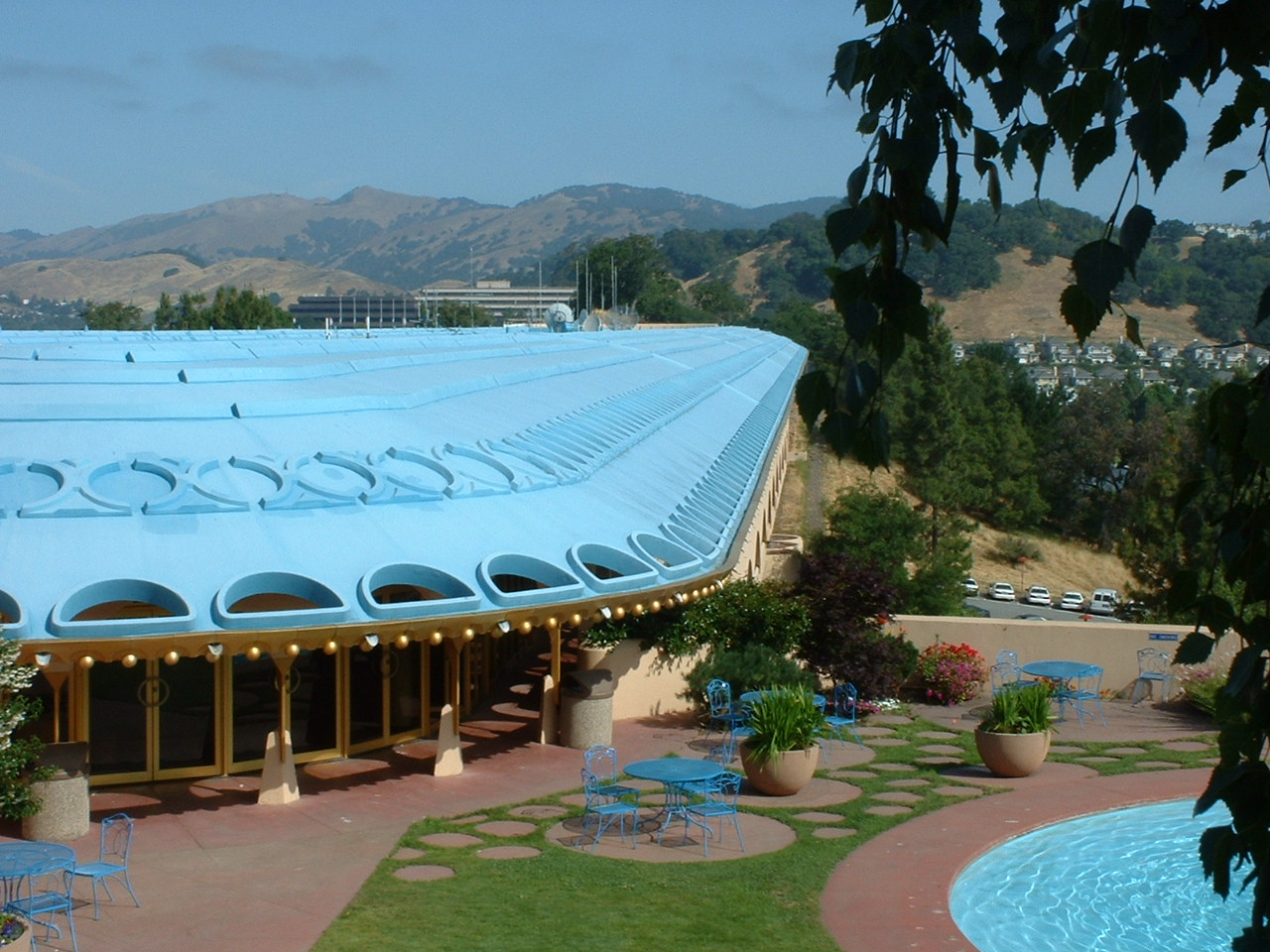
Winter is San Rafael's wetter season, with rain more likely than at other points in the year, though the city doesn't see the kind of extreme cold found in other parts of the country. This is the quietest season for visitors, which can be an advantage for travelers who prefer a slower pace, shorter waits, and easier parking. Indoor attractions — including the Christopher B. Smith Rafael Film Center on Fourth Street and the Marin Civic Center, Frank Lloyd Wright's blue-domed complex just north of downtown — are less crowded, and the surrounding hills often look notably green after rain. Packing a waterproof layer and checking forecasts before outdoor plans is a sensible precaution during this stretch.
Shoulder-Season Advice
For many visitors, the shoulder seasons — roughly the transitional weeks between spring and summer, and between summer and fall — offer the best balance of comfortable weather and manageable crowds. These windows avoid both the heaviest visitor volume of peak summer and the wetter conditions of deep winter. If flexibility allows, planning a visit just before or after the traditional summer rush can make popular spots like China Camp State Park and downtown San Rafael easier to enjoy at a relaxed pace. This is also a practical time to combine a visit to San Rafael with nearby Marin County destinations, since traffic and lodging demand are lower than during peak months.
Events and General Timing
San Rafael hosts a range of community events, markets, and seasonal gatherings throughout the year, many centered around downtown and Fourth Street, that draw visitors from around the greater Bay Area. Because specific dates shift annually, it's best to check official city and event calendars close to your travel dates rather than relying on a fixed schedule. If an event is a priority for your trip, building in some flexibility around your visit window is a practical approach.
For more help structuring your visit, see the San Rafael 1-Day Itinerary, the Best Things To Do in San Rafael page, or the San Rafael FAQ for answers to other common planning questions.