Best Things To Do in San Pablo
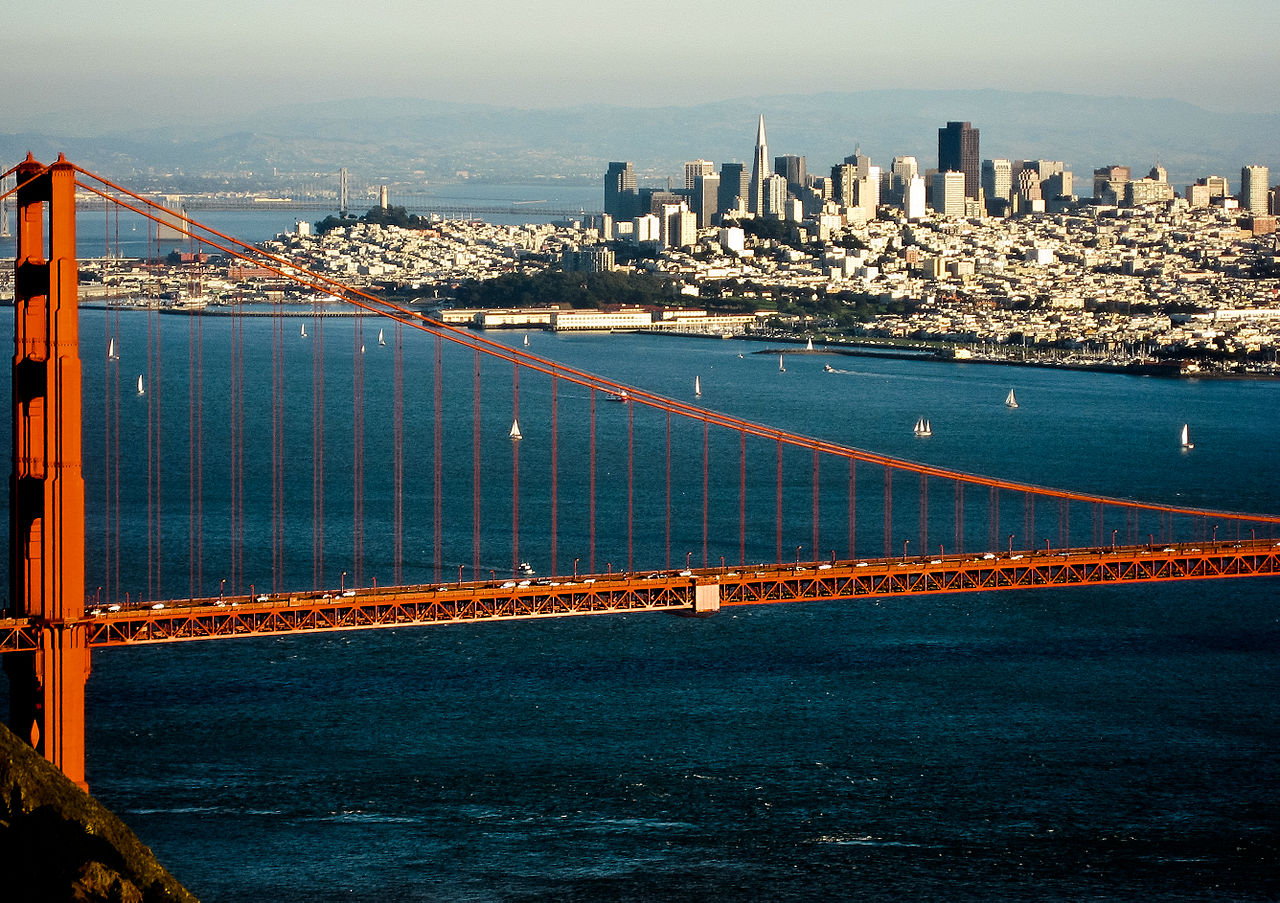
San Pablo, California sits along the northern edge of San Pablo Bay in Contra Costa County, wedged between Richmond, El Sobrante, and Pinole. It's a compact city, home to a little over 31,000 residents, and much of what there is to do here revolves around parks, water views, and a handful of sites tied to the region's ranchera-era past. This guide breaks activities down by interest area and notes which are free to enjoy versus which involve some kind of admission or fee, so you can plan a visit that fits your time and budget. For a broader overview of the city, start with the San Pablo Travel Guide: Things to Do, Landmarks, Food, and Itineraries.
Parks and Outdoor Space
Outdoor recreation is one of San Pablo's strongest suits, and most of it is free to access. Rumrill Sports Park is the city's main community green space, with sports fields, walking paths, and picnic areas that see regular use from local families and sports leagues. It's an easy stop if you want a low-key outdoor break without leaving city limits.
Just outside San Pablo, the East Bay's regional park system opens up considerably more terrain. Wildcat Canyon Regional Park, reachable from the San Pablo/El Sobrante area, offers hiking trails through oak woodland and grassy hillsides with views back toward the bay. Trail conditions and access points can shift seasonally, so it's worth checking current trail maps before heading out.
San Pablo Reservoir, off San Pablo Dam Road, is another nearby outdoor draw. Managed by the East Bay Municipal Utility District, it's a popular spot for fishing and shoreline walking, with boat access available at some times of year. Because reservoir access and any associated permits can change, check the operating agency's website ahead of a visit rather than assuming year-round availability.

Museums, Culture, and Indoor Attractions
San Pablo is smaller on formal museums than some neighboring cities, but it does have one notable ticketed attraction: Casino San Pablo, operated by the Lytton Rancheria, which functions as a gaming and entertainment venue rather than a museum. It's worth knowing about if you're looking for indoor entertainment options, though as with any ticketed or age-restricted venue, check current rules and offerings directly with the operator.
For a deeper look at cultural and historic institutions across the wider region, pairing a San Pablo stop with a day trip into Richmond or Berkeley can round out a culture-focused itinerary.
Waterfronts and Views
Given its name and location, San Pablo Bay is central to the city's identity, even though direct public shoreline access within city limits is limited compared to neighboring Pinole and Richmond, both of which maintain shoreline parks along the same bay. Visitors interested in bay views often combine a San Pablo stop with a short drive to nearby shoreline parks for open water vistas, birdwatching, and walking paths along the water.
Elevated points around Wildcat Canyon and the hillside neighborhoods east of downtown also offer looks back over the bay and surrounding towns, particularly in the late afternoon when the water and hills pick up more color.
Historic Sites
San Pablo's history predates its incorporation by well over a century. The area was once part of Rancho San Pablo, a Mexican-era land grant associated with the Castro and Alvarado families, and traces of that Californio-era history are still marked around the city, including historical markers referencing the original rancho and its adobe structures. These sites are typically free to view, since they're commemorative markers rather than staffed attractions, though a marker's exact location and condition can change, so it helps to confirm current access before making a special trip.
For a more complete rundown of specific historic and civic landmarks, see Top Landmarks in San Pablo, which covers named sites in more detail than fits here.
Neighborhoods to Wander
San Pablo Avenue is the city's commercial spine, lined with a mix of small businesses, markets, and family-run restaurants that reflect the area's diverse population. Walking a stretch of this corridor, particularly around the civic center and El Portal shopping area, gives a decent sense of daily life in the city without needing a car for every stop. As with any commercial strip, ordinary urban awareness—keeping an eye on belongings, sticking to well-lit and populated areas after dark—applies here as it would in most small California cities.
The residential neighborhoods east of San Pablo Avenue, climbing toward the Wildcat Canyon foothills, are quieter and worth a slow drive or walk if you're interested in the transition from flat bayside streets to the hillier terrain that borders El Sobrante and Richmond.
Free vs. Ticketed, at a Glance
Most of what draws visitors to San Pablo is free: the city and regional parks, the reservoir shoreline, historic markers, and simply walking the commercial and residential streets. The one clearly ticketed or fee-based draw is Casino San Pablo, and any boat rentals or special-use permits at the reservoir would also fall into that category. Since fees, hours, and access rules for any of these can change, it's best to confirm details on the relevant official site before you go rather than relying on secondhand information.
Planning Your Visit
Because San Pablo's attractions are spread between compact city parks and larger regional land just outside its borders, a little route planning goes a long way. If you want a structured plan, the San Pablo 1-Day Itinerary covers a condensed version of the highlights above, while the San Pablo 3-Day Itinerary works in more time for the surrounding regional parks and neighboring towns.
If you're also thinking about food while you're out exploring, Where to Eat in San Pablo covers the local dining scene without ranking any single spot as definitive. And if you're still nailing down logistics, Best Time to Visit San Pablo and the San Pablo FAQ answer many of the practical questions that come up when planning a trip to this part of the East Bay.