Sacramento FAQ
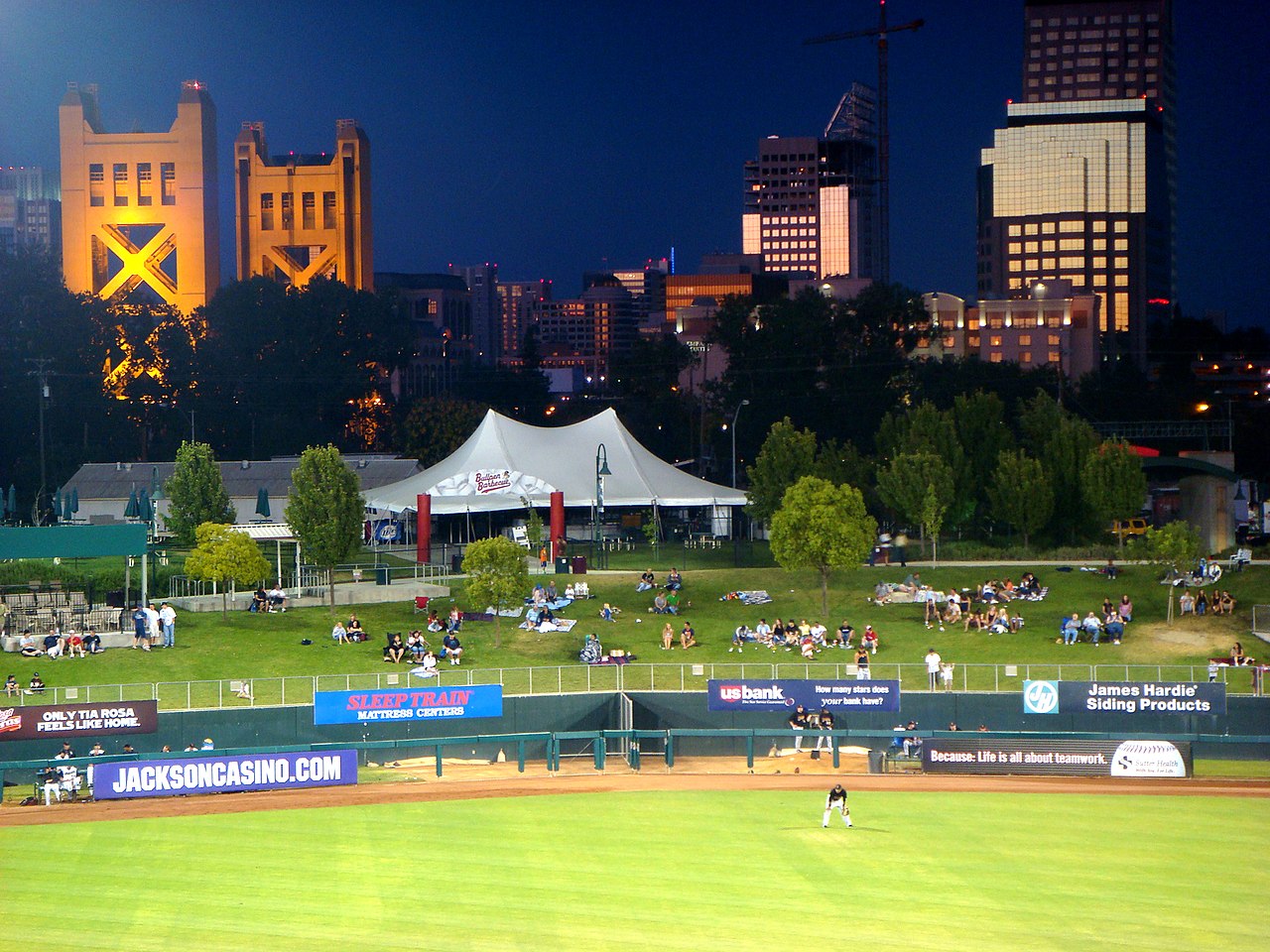
Sacramento is California's state capital and home to roughly 524,000 residents. Whether you're planning a quick stopover or a longer trip, these practical answers cover the questions travelers most commonly ask before arriving.
Do I need a car to visit Sacramento?
Not necessarily, but it depends on your itinerary. Downtown Sacramento, the Old Sacramento Waterfront, Midtown, and Land Park are all reasonably walkable if you're staying in or near those areas. The city also has a light rail network and local bus system that connect key parts of the metro. That said, some destinations worth visiting — including state parks, winery areas in the foothills, and certain suburban attractions — are easier to reach with your own vehicle. If your plans are centered on the urban core, many visitors get by without renting a car. If you're thinking about day trips, having a car or using rideshare gives you more flexibility.

How do I get from Sacramento International Airport to downtown?
Sacramento International Airport (SMF) sits roughly 10 miles northwest of downtown Sacramento. Your main options include:
- Rideshare or taxi: Available curbside at the terminal; fares vary based on time of day and demand, so check the apps before you go.
- Rental car: Several major agencies operate at or near SMF.
- Regional transit: Sacramento Regional Transit (SacRT) operates bus routes with connections near the airport. Check the SacRT website for current schedules, route details, and fare information — these change periodically.
- Hotel shuttles: Some properties offer complimentary transfers. Confirm with your hotel before you arrive.
There is no direct light rail connection between SMF and downtown Sacramento at this time, so plan accordingly.
How do I get around Sacramento without a car?
SacRT operates both light rail lines and a bus network covering much of the city. The system accepts contactless payment, and the agency's website is the most reliable source for current fares and pass options. Bikeshare stations are available in parts of the city, and Sacramento's largely flat terrain makes cycling practical for getting between neighborhoods. Rideshare services are widely available throughout the metro.
For visitors focusing on downtown, Old Sacramento, and Midtown, a combination of walking and light rail can cover a surprising amount of ground. The Sacramento 1-Day Itinerary and Sacramento 3-Day Itinerary both use that kind of approach as a starting point.
Is Sacramento expensive to visit?
Sacramento tends to be more affordable than San Francisco or Los Angeles for both accommodations and dining. Hotel rates vary considerably depending on season, neighborhood, and whether major events — such as concerts at Golden 1 Center or the State Fair — are taking place. There's flexibility in how much you spend on food, with options ranging from casual taquerias and counter-service spots to farm-to-fork restaurants with seasonal tasting menus. For attraction costs, always check official sites directly, since admission prices and hours change.
Is Sacramento safe for tourists?
Like any city of its size, Sacramento has neighborhoods with varying crime levels. The areas most commonly visited by tourists — downtown, Old Sacramento, Midtown, and the areas around Land Park — are suitable for ordinary sightseeing with the same basic awareness you'd bring to any urban destination: keep an eye on your belongings, stay on well-lit streets at night, and be mindful of your surroundings. Checking recent visitor forums or local news before your trip is a practical way to get a current read on conditions.
When is the best time to visit Sacramento?
Spring (March through May) and fall (September through November) offer the most comfortable conditions for walking around and sightseeing. Sacramento summers are genuinely hot — temperatures frequently climb into the mid-90s°F and can exceed 100°F during heat events, which makes extended time outdoors taxing. Winters are mild but often foggy; the region is known for "tule fog," a dense ground-level fog that can dramatically reduce visibility and affect driving conditions.
For a fuller breakdown by month and season, including event timing and crowd levels, see the Best Time to Visit Sacramento page.
Where should I stay in Sacramento?
Sacramento's most commonly chosen visitor neighborhoods include:
- Downtown: A practical base for a short trip. Close to the State Capitol, Golden 1 Center, Old Sacramento, and a wide range of dining options.
- Old Sacramento Waterfront: Convenient for the historic district and riverfront. A compact area that books up during peak travel periods and major events.
- Midtown: A walkable, lower-key area with restaurants, coffee shops, bars, and art spaces spread across a grid of older streets. Popular with visitors who want a neighborhood feel.
- East Sacramento / Land Park: More residential in character, but close to parks, the Sacramento Zoo, and Fairytale Town.
Each area has different tradeoffs in price, walkability, and proximity to specific attractions. The Sacramento Travel Guide offers a broader overview if you're still deciding.
Is Sacramento a good destination for families with kids?
Sacramento has a solid range of family-oriented options. The California State Railroad Museum in Old Sacramento is a popular stop for families, particularly those with younger children interested in trains and railroad history. The Sacramento Zoo and Fairytale Town are both located in and around William Land Park and are commonly visited with kids. The Crocker Art Museum has family programming and hands-on spaces. With roughly 212 mapped attractions, museums, and historic sites in the area, there's more than enough to fill a multi-day family trip.
For a broader look at what's available across age groups, browse the Best Things To Do in Sacramento page. Always verify hours and any reservation requirements directly with each venue before you go.
How long should I spend in Sacramento?
A focused one-day visit can take in the Old Sacramento Waterfront, the State Capitol grounds, and a meal or two in Midtown without feeling rushed. Two to three days lets you explore neighborhoods more thoroughly, visit a museum or two, and potentially fit in a day trip — the Sierra Nevada foothills, Lake Tahoe, and Napa Valley are all within driving distance. The Sacramento 3-Day Itinerary maps out one way to pace a longer stay.
What is Sacramento's food scene like?
Sacramento has developed a notable reputation for farm-to-fork dining, drawing on the agricultural richness of the Central Valley and the Sacramento–San Joaquin Delta region. With over 1,200 restaurants and cafes in the area, options range from Vietnamese pho shops and casual taco spots to upscale seasonal menus. Downtown and Midtown have the highest concentration of dining within walking distance. The Where to Eat in Sacramento page offers a broader overview of what the city's food scene covers, without ranked lists or personal picks.
Are there national parks or natural areas near Sacramento?
Yes. There are 11 National Park Service sites in or near the Sacramento area, covering Gold Rush history, river corridors, and natural landscapes. Beyond NPS sites, state parks and recreation areas — including those along the American River Parkway — are accessible within the metro. For those willing to drive two to three hours, Yosemite National Park, Lake Tahoe's basin, and Point Reyes National Seashore are all reachable as day trips or overnight excursions. Check NPS.gov and California State Parks for current access information, reservation systems, and any seasonal closures.
What else should I know before visiting Sacramento?
Sacramento operates at a noticeably more relaxed pace than California's coastal metros, which many visitors find appealing. The city has a median age of about 36, and the mix of state government workers, university students, and longtime residents gives it a fairly grounded character. Street parking and garage parking are available downtown — check the city's official parking resources for current rates and locations, as these vary. If you're still building your itinerary, the Sacramento Travel Guide: Things to Do, Landmarks, Food, and Itineraries is a practical starting point that pulls together the key pages in one place.