Top Landmarks in Poughkeepsie

Poughkeepsie sits on the eastern bank of the Hudson River roughly midway between New York City and Albany, and its landmarks reflect that position: a river crossing turned into one of the longest pedestrian bridges in the world, a college campus with a long architectural history, and a cluster of 19th-century estates and civic buildings downtown. This overview covers the sites most visitors ask about, explains why each is commonly visited, and notes how they group geographically so you can plan a walk instead of a series of car trips. For a broader planning overview, see the Poughkeepsie Travel Guide, and pair this page with the Best Things To Do in Poughkeepsie guide for activities beyond sightseeing.
The Waterfront Cluster: Walkway Over the Hudson and the Mid-Hudson Bridge
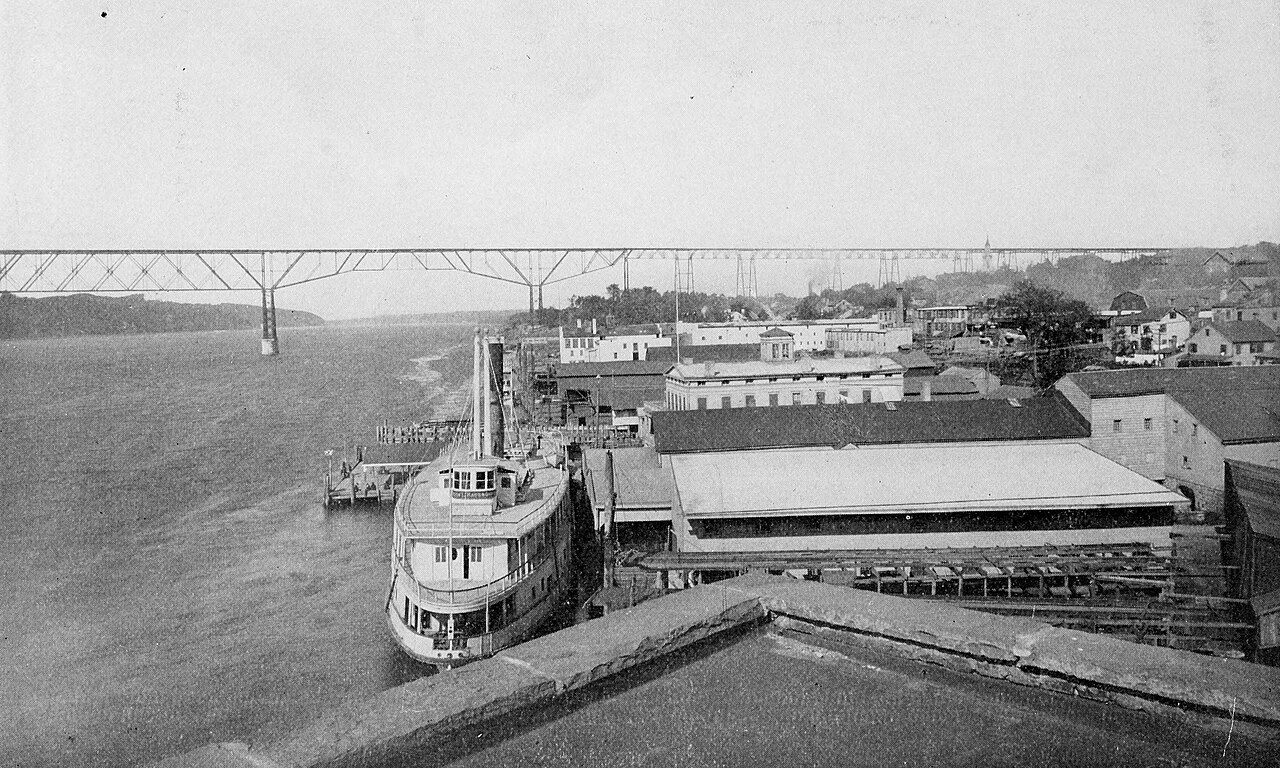
The single most recognizable landmark associated with Poughkeepsie is the Walkway Over the Hudson, a state historic park built on a former railroad bridge that spans the river at a considerable height above the water. Converted into a pedestrian and cyclist crossing, it offers long sightlines up and down the Hudson Valley and connects the city to Highland on the opposite bank. Because it's flat, paved, and car-free, it draws a steady mix of walkers, runners, and cyclists year-round, and it's often the first stop recommended to first-time visitors.
A short distance south, the Mid-Hudson Bridge is a suspension bridge that has carried vehicle traffic across the river since the late 1920s. It's less a destination in itself than a scenic backdrop and a functional link between the city's waterfront and Highland, but it's frequently photographed from Waryas Park and the riverfront trails below the Walkway. Waryas Park itself, with its riverside promenade, is a natural place to pause between the two bridges, and it anchors what's generally the most walkable landmark cluster in the city — plan on a couple of hours if you want to cross the Walkway and return along the river.
Downtown Civic and Cultural Landmarks
Moving inland from the river, downtown Poughkeepsie holds a cluster of civic landmarks connected by a short walk. The Bardavon 1869 Opera House is one of the older operating theaters in New York State and has long operated as a performance venue, which makes it worth a look even from the sidewalk for its restored facade and marquee; check current listings and hours before planning a visit, since venue schedules and operating status can change. Nearby, the Clinton House Museum occupies one of the city's oldest surviving stone buildings and speaks to Poughkeepsie's role in early New York State history, including a period when the city served briefly as a seat of state government. These buildings are close enough together that they're easily combined with a coffee or lunch stop; the Where to Eat in Poughkeepsie guide has an overview of options in this part of the city.
Vassar College
A little east of downtown, the Vassar College campus draws steady foot traffic for its landscaped grounds and collection of academic and Gothic-style buildings, several of which are architecturally notable in their own right. The campus is open for casual walking and is a popular spot for a quiet stroll rather than a ticketed attraction, though visitors should check the college's own guidance on public access before planning a visit, since campus policies can vary by season and event schedule. Vassar sits close enough to the downtown civic cluster that it can reasonably be added to the same day's itinerary with a short drive or rideshare, and connecting bus routes serve the area as well — check current fare and payment details with the local transit provider before you go.
Historic Estates South of Downtown
South of the city center, two 19th-century properties round out Poughkeepsie's landmark list. Locust Grove, the former estate associated with inventor and artist Samuel Morse, combines a preserved mansion with landscaped grounds and river views, and it appeals especially to those interested in 19th-century architecture and history. Nearby, Springside, a landscape designed by Andrew Jackson Downing, is one of the few surviving examples of his residential landscape work and is of particular interest to visitors focused on garden and landscape design history. Both sites sit along the same general corridor south of downtown, making them straightforward to combine into a single outing.
Extending the Trip: Nearby Hyde Park Sites
Travelers building a longer stay sometimes extend their landmark visits a few miles north into neighboring Hyde Park, home to National Park Service–affiliated sites including the Home of Franklin D. Roosevelt National Historic Site and the Vanderbilt Mansion National Historic Site. These aren't within Poughkeepsie itself, but they're close enough to the city that many multi-day visitors fold them into the same trip. As with any historic site, check the official National Park Service pages directly for current visiting policies before you go, since access details are subject to change.
Putting It Together
Because Poughkeepsie's landmarks fall into a few tight geographic clusters — waterfront, downtown civic, Vassar, and the southern estates — the most efficient approach is to treat each cluster as its own walking segment rather than trying to cover everything in one pass. Visitors with a single day tend to focus on the waterfront and downtown clusters, while those with more time add Vassar and the historic estates. For a structured plan built around this pacing, see the Poughkeepsie 1-Day Itinerary or the more relaxed Poughkeepsie 3-Day Itinerary. If you're still deciding when to go, the Best Time to Visit Poughkeepsie guide covers seasonal considerations, and the Poughkeepsie FAQ answers common logistical questions about getting around the city.
As with any downtown or waterfront area, ordinary urban awareness is worth keeping in mind, particularly around the riverfront paths in the evening, but the landmark clusters described here are generally well-trafficked and easy to navigate on foot.