Best Things To Do in Pittsburg

Pittsburg sits along the New York Slough in eastern Contra Costa County, where a working waterfront, small-city downtown, and easy access to Delta and East Bay open space give visitors several different ways to spend a day. This guide groups the city's activities by interest — outdoor recreation, waterfront views, history and culture, and neighborhoods worth a walk — and notes which options are typically free to explore versus ticketed, without pinning down prices that can change. For a broader overview of the destination, start with the Pittsburg Travel Guide: Things to Do, Landmarks, Food, and Itineraries, which links out to more specific planning resources.
Parks and Outdoor Spaces
Pittsburg's outdoor options lean toward accessible, low-key recreation rather than dramatic terrain. The Pittsburg Marina area anchors much of the city's outdoor activity, with paved paths, open lawn space, and views across the water that make it a reasonable stop for a walk or a picnic. The Delta de Anza Regional Trail runs through the city and connects to a broader regional trail network used by walkers and cyclists, so visitors who enjoy a longer ride or run have a way to extend a short waterfront visit into a half-day outing. Neighborhood parks scattered through residential Pittsburg, including options with sports courts and playgrounds, are generally free and useful for travelers with kids who need a break between other stops. Because the city sits near the edge of the Sacramento–San Joaquin Delta, anglers and boaters also use the marina as a launch point; anyone planning to fish or boat should check current local regulations before heading out, since rules and any related permits can change.
Most of these outdoor spaces are free to enter, which makes them a practical way to fill time between paid activities elsewhere in the region.
Waterfronts and Views
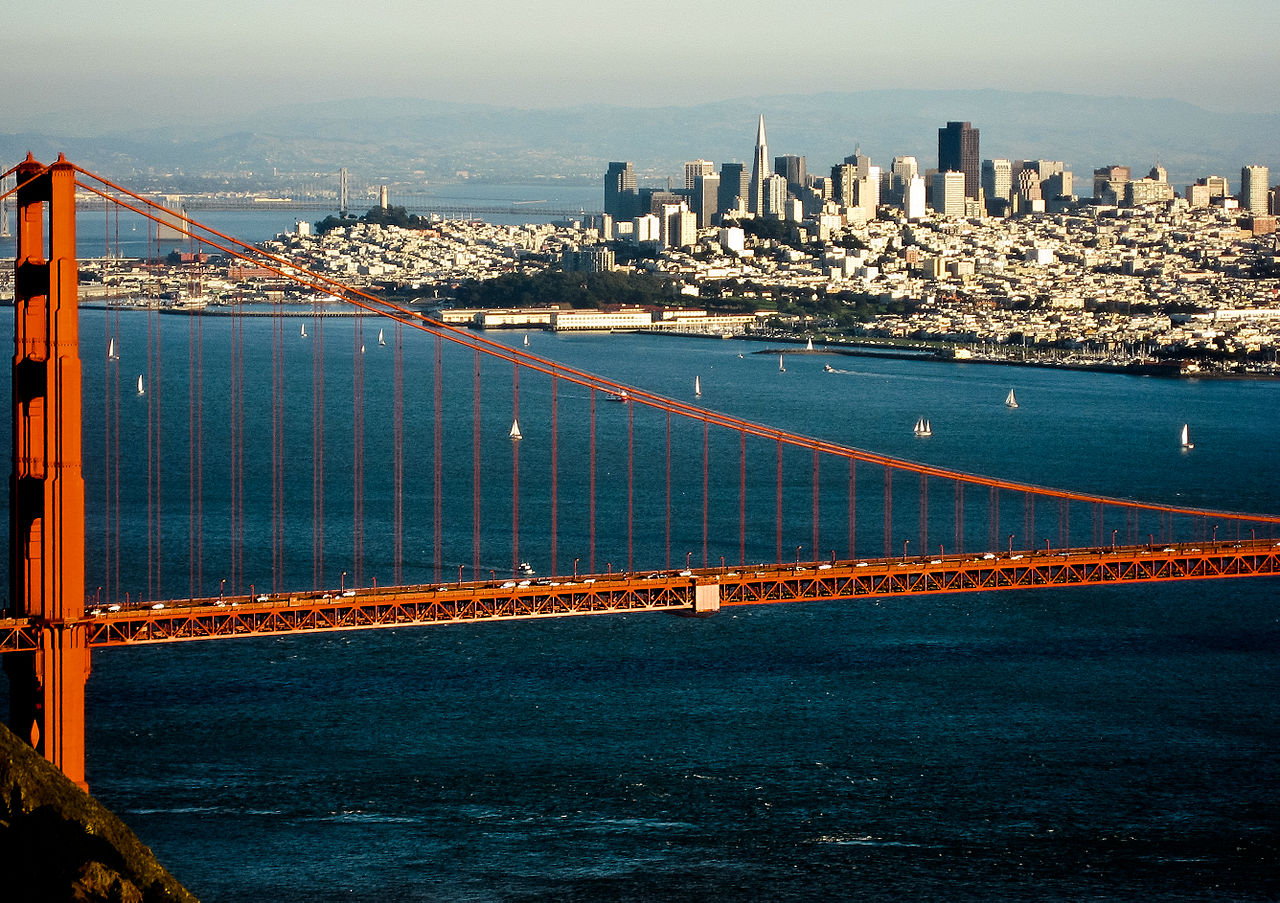
The New York Slough waterfront is one of the more distinctive features of a Pittsburg visit, offering a working-harbor feel that's different from the more polished waterfronts found in nearby larger cities. Walking or biking along the shoreline trail near the marina gives a sense of the water traffic and the industrial and shipping history that shaped this stretch of the Delta. Sunset and early-evening visits tend to be popular for the light on the water, though conditions vary by season, which is worth keeping in mind — see the Best Time to Visit Pittsburg guide for seasonal context before planning a trip built around outdoor scenery. These waterfront areas are free to access and pair well with a stop at one of the casual restaurants near the water, discussed in more detail on the Where to Eat in Pittsburg page.
Museums, Culture, and Historic Sites
Pittsburg's history as a fishing, canning, and steel-manufacturing hub is reflected in local historic sites and markers found around the older parts of the city, particularly near the downtown core and the waterfront. The Pittsburg Historical Society maintains resources and occasional exhibits related to this industrial past, and checking their current offerings ahead of a visit is a reasonable way to plan around anything ticketed or scheduled. Downtown Pittsburg also includes public art and community murals that reflect the city's manufacturing-era identity, which are free to view while walking the area.
For visitors interested in expanding beyond city limits, the wider region around Pittsburg includes National Park Service–affiliated sites worth considering as add-ons to a longer trip. Port Chicago Naval Magazine National Memorial, commemorating the 1944 explosion and its aftermath, sits close to Pittsburg and is one of the more directly relevant historic sites in the immediate area. John Muir National Historic Site in nearby Martinez is another option for travelers interested in California and conservation history. Both operate under National Park Service management, so visitors should check the official NPS site for current access details, any required reservations, and operating information rather than relying on secondhand hours. A fuller rundown of monuments and notable sites closer to Pittsburg itself is available on the Top Landmarks in Pittsburg page.
Neighborhoods to Wander
Downtown Pittsburg, centered around Railroad Avenue, is the most walkable district in the city, with a mix of long-standing local businesses, restaurants, and public spaces that give it a lived-in feel rather than one curated for tourism — a quality some visitors find more interesting than a purely commercial district. Separately, according to 2024 U.S. Census Bureau ACS 5-year estimates, Pittsburg's population of roughly 76,000 skews comparatively young, with a median age in the mid-30s. Residential neighborhoods near the marina and along the water include newer residential construction visible alongside older housing stock. As with any unfamiliar area, ordinary urban awareness — sticking to well-traveled streets, especially after dark, and keeping valuables out of sight in a parked car — is a reasonable approach rather than anything specific to Pittsburg.
Planning a Visit
Because Pittsburg mixes free outdoor space with a handful of ticketed or seasonal attractions, it helps to sketch out a rough plan before arriving. Visitors with a single day can combine a waterfront walk with a downtown stop and a meal, an approach covered step-by-step in the Pittsburg 1-Day Itinerary. Those staying longer, or using Pittsburg as a base to explore the wider Delta and East Bay region, may prefer the more spread-out pacing in the Pittsburg 3-Day Itinerary. For transportation, local buses and regional rail connections serve the city; check the relevant transit agency's official site for current routes, fares, and whether contactless tap-to-pay is available rather than assuming past information still applies. Common logistical questions — from parking to seasonal closures — are addressed in the Pittsburg FAQ, which is worth a scan before finalizing plans.