Best Things To Do in Peabody
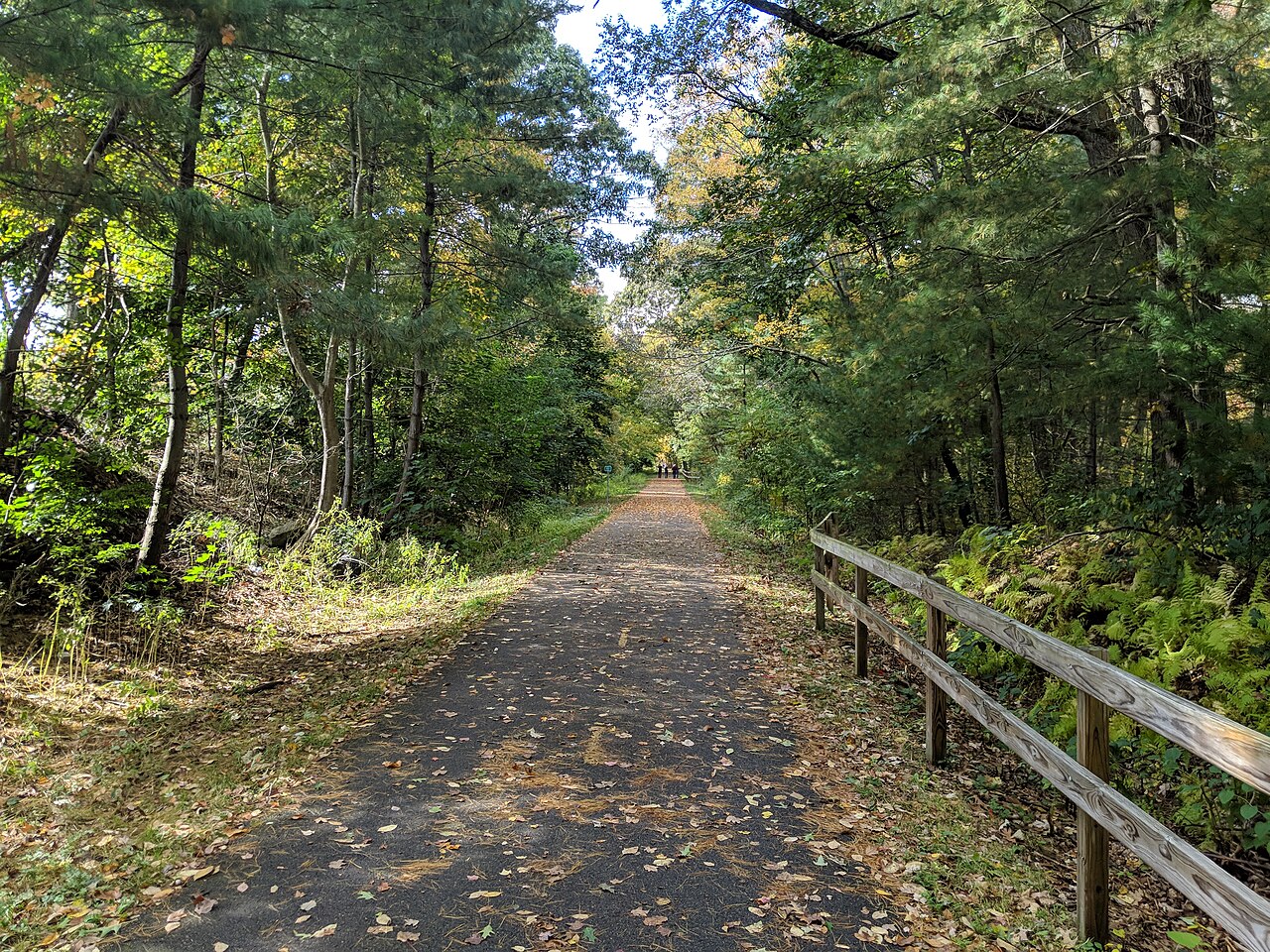
Peabody, Massachusetts, sits on the North Shore just inland from Salem, and it offers a mix of outdoor space, small-scale cultural sites, and walkable commercial districts that make it easy to fill a day or a weekend. This guide groups activities by interest — parks and outdoors, museums and culture, waterfronts and views, historic sites, and neighborhoods worth wandering — and notes which are generally free to explore versus those that involve a ticketed admission. For a broader overview of the city, start with the Peabody Travel Guide: Things to Do, Landmarks, Food, and Itineraries, and check Best Time to Visit Peabody before planning outdoor time, since seasonal conditions affect trails and orchards.
Parks and Outdoor Space
Peabody's outdoor options lean toward local parks, conservation land, and a working farm rather than large-scale wilderness, which suits a shorter visit well. Brooksby Farm, a city-owned working farm with orchards and walking paths, is a common stop for families and anyone interested in seasonal picking or a quiet walk; because picking availability and programming shift with the season, it's worth checking the farm's official listing before visiting rather than assuming a fixed schedule. Several smaller conservation parcels and municipal parks around the city offer additional walking trails, sports fields, and picnic areas, most of which are free to enter and open during daylight hours. Given Peabody's residential character (the median age here is 46.6, per 2020-2024 ACS 5-year estimates), these green spaces tend to be low-key and geared toward local recreation rather than large tourist crowds.

Museums and Culture
Cultural offerings in Peabody are modest in scale but reflect the city's identity, including its history as a center of the leather-tanning industry (Peabody was long nicknamed the "Leather City"). Local historical organizations maintain exhibits and archives related to this industrial past, along with the city's namesake connection to philanthropist George Peabody, and these are generally accessible on a limited schedule — confirm open days on the organization's site rather than assuming a museum is open on any given afternoon. The Peabody Institute Library, a long-standing civic institution, is another point of interest for visitors curious about the city's public architecture and community history, and browsing its public areas is free. For a closer look at specific buildings and monuments tied to this history, see Top Landmarks in Peabody.
Waterfronts and Views
Peabody isn't a coastal city, but it has several ponds and small waterways that offer a change of pace from its commercial corridors, including Crystal Lake and Spring Pond, both of which are bordered by public access points popular for walking and casual fishing. These spots are free to visit and tend to be quieter than the larger coastal attractions in neighboring Salem. If ocean views and harbor scenery are part of your plans, they're more readily found a short drive away in Salem, which also anchors much of the North Shore's maritime tourism — Salem Maritime National Historic Site, a National Park Service unit in that city, is a reasonable add-on for visitors interested in regional maritime history, and the wider Boston and North Shore area includes numerous other National Park Service sites worth a look if you're building a multi-day itinerary.
Historic Sites
Beyond its industrial history, Peabody retains a number of older residential and civic buildings, particularly around its downtown core, that reflect its 19th- and early 20th-century growth. A statue of George Peabody stands in the city's central square, marking the connection between the philanthropist and the community that took his name. Walking tours of downtown, whether self-guided or organized through a local historical group, are typically free aside from any optional guided-tour arrangement, which should be confirmed directly with the organizer. For a fuller rundown of specific named sites, the Top Landmarks in Peabody page is the better reference point.
Neighborhoods to Wander
Downtown Peabody, centered on Main Street and Peabody Square, is the most walkable commercial district, mixing local shops, everyday dining, and civic buildings within a compact area. West Peabody and South Peabody are more residential and suburban in character, with pockets of green space and quieter streets that give a sense of everyday life in a city where the median household income is $95,278 and median gross rent runs $1,902, according to 2020-2024 ACS 5-year estimates. Peabody is also home to a large regional shopping complex, Northshore Mall, which draws visitors from across the North Shore for retail and dining rather than sightseeing per se. As in most suburban commercial areas, ordinary urban awareness — sticking to well-lit, populated areas after dark and keeping track of belongings in busy retail spaces — is a reasonable approach rather than any cause for particular concern.
Getting Around and Planning Your Time
Peabody is best explored primarily by car, since its parks, farm, and neighborhoods are spread across a suburban footprint rather than concentrated along a single transit line; regional bus service connects Peabody to nearby communities, and it's worth checking current fare payment methods along with routes and any connecting service before relying on transit alone. If you're mapping out how to sequence these stops, the Peabody 1-Day Itinerary and Peabody 3-Day Itinerary offer structured routes that pair these activities with meals — see Where to Eat in Peabody for an overview of dining options — and for answers to common logistical questions, the Peabody FAQ is a useful companion page.