Paterson 1-Day Itinerary
Paterson, New Jersey packs a surprising amount of American industrial and cultural history into a compact, walkable city just 20 miles west of Midtown Manhattan. With a population of over 157,000 people and a median age of 33, it's a young, active city where a 19th-century waterfall sits a short walk from Peruvian bakeries, Bangladeshi sweet shops, and Middle Eastern grocers. A single day is enough to get a genuine feel for Paterson's neighborhoods, its natural anchor at the Great Falls, and the hilltop views from Garret Mountain — without rushing.
This itinerary is designed to flow logically from one area to the next, minimizing backtracking. Timings throughout are approximate; build in buffer if you like lingering. Before you leave home, check the official websites for the Great Falls and Lambert Castle for current hours and any closures, since those can shift seasonally.
For a deeper look at what the city offers beyond a single day, see the Paterson Travel Guide: Things to Do, Landmarks, Food, and Itineraries and the Paterson 3-Day Itinerary.
Getting to Paterson
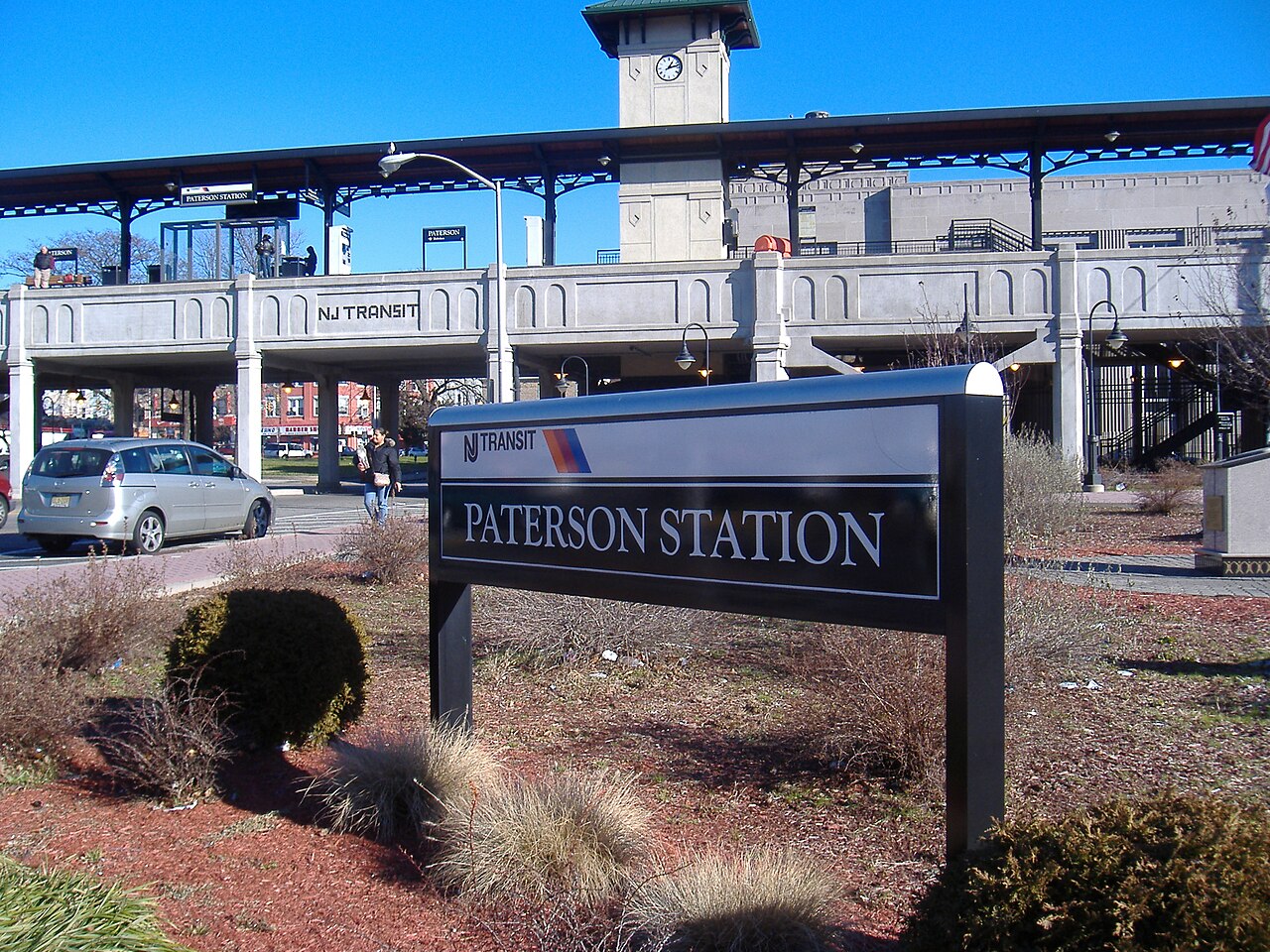
From New York City, NJ Transit's Main Line rail runs directly to Paterson Station, making it one of the most straightforward New Jersey day trips from the metro area. The ride from Penn Station is roughly 45–55 minutes depending on the service pattern. Contactless tap-to-pay works on NJ Transit; check the NJ Transit app or official site for current fares and schedules before you travel.
If you're driving from the New York area, GPS routing through Route 3 or Route 46 is straightforward, though weekend traffic near the Meadowlands can add time. Street parking exists around the Great Falls area, but a city parking garage near downtown is a more reliable option. Check local signage carefully, and confirm garage rates on arrival rather than assuming.

Morning: The Great Falls and the Historic District (9:00 a.m. – 12:00 p.m.)
Start the day at Paterson Great Falls National Historical Park, the cornerstone of any visit to Paterson. The Passaic River drops roughly 77 feet here over a basalt ledge, making it one of the most voluminous waterfalls in the eastern United States. The National Park Service manages this site, and its visitor center is worth your time before you head out to the overlooks — exhibits trace the falls' central role in Alexander Hamilton's 1791 plan to build Paterson as America's first planned industrial city, a manufacturing hub designed to use water power on a national scale.
From the visitor center, a network of paths leads to multiple viewing platforms at different angles and elevations. The upper overlook puts you nearly eye-level with the crest of the falls; the lower paths bring you closer to the spray and give a better sense of the gorge's depth. Allow at least an hour here, more if you want to walk all of the accessible trail sections.
From the falls, head northeast along McBride Avenue and into the Paterson Great Falls Historic District, a federally designated area where the 19th-century raceways, mill buildings, and factory remnants are still largely intact. The S.U.M. raceway system — the engineered network of channels that diverted river water to power the mills — runs through this district and is one of the more unusual things to see in any American city. Many of the mill buildings along Van Houten Street and Spruce Street have been repurposed, and walking this stretch gives a clear sense of how densely industrialized Paterson once was.
For more on notable sites in the historic district and across the city, the Top Landmarks in Paterson page covers the major ones.
Midday: Lunch and the Paterson Museum (12:00 p.m. – 2:30 p.m.)
By midday you'll be ready for lunch. Paterson's downtown stretches south and east of the falls district, and the variety of food options reflects the city's population — one of the more ethnically diverse in New Jersey. Market Street and its surrounding blocks have a dense concentration of restaurants and cafes spanning Peruvian, Dominican, Ecuadorian, Moroccan, Afghan, Bangladeshi, and other cuisines, with options at a range of price points. For a fuller overview of the food landscape, see Where to Eat in Paterson. Plan to spend 45–60 minutes at lunch.
After lunch, walk or take a short bus ride to the Paterson Museum, housed in a former Rogers Locomotive Erecting Shop — one of the original industrial buildings of the S.U.M. district. The museum covers Paterson's industrial and social history, with collections that include early Colt revolvers (Samuel Colt established one of his early factories in Paterson), historical locomotives, and materials related to the silk industry that dominated the city's economy for decades after the Civil War. There's also a section on the early aviation experiments conducted nearby by John Holland, who tested some of his early submarine designs in local waters.
Confirm current admission details and hours directly with the museum before visiting, as policies can change.
Afternoon: Garret Mountain Reservation and Lambert Castle (2:30 p.m. – 5:30 p.m.)
From downtown Paterson, head west to Garret Mountain Reservation, a Passaic County park that sits atop the first ridge of the Watchung Mountains. Getting there from downtown requires either a car (the drive is about 10 minutes) or a bus — check NJ Transit's local routes for current service to the Garret Mountain area. The reservation covers several hundred acres of wooded trails, a small lake popular for fishing, and open meadows with city views.
The elevation change is noticeable. From several points within the park, you can see Paterson laid out below, with the Manhattan skyline visible on clear days further east. The trails are well-marked for a county park and range from easy loop walks to slightly more rugged paths along the ridge. It's a good place to spend an hour after a morning of urban walking.
At the southern end of the reservation sits Lambert Castle, built in the 1890s by Catholina Lambert, one of Paterson's silk manufacturing magnates. The structure — built from local brownstone in a style meant to evoke a European castle — now houses the Passaic County Historical Society's museum and archives. The historical society uses the space to present collections related to the county's history, including materials from Paterson's silk era and documents related to the notable 1913 Silk Strike. Check the Passaic County Historical Society's website for current visiting hours and any admission fees before making the trip, as those details change.
Evening: Dinner in Downtown Paterson (5:30 p.m. – 8:00 p.m.)
Return to downtown Paterson for the evening. By late afternoon and early evening, the streets around Main Street, Market Street, and the Riverside neighborhood tend to be active. Paterson has over 1,600 mapped restaurants and cafes across the city, so dining options are genuinely wide-ranging. The Main Street corridor through the downtown core has a mix of quick, casual spots and sit-down restaurants. The area around Broadway, closer to the Passaic River, has a number of Latin American restaurants that draw local crowds in the evenings.
If you have extra time before heading out, a short walk along the riverfront path near the base of the Great Falls is a different experience at dusk than it is in the morning — the light on the gorge changes considerably through the day.
For return transit, Paterson Station on the NJ Transit Main Line is accessible from downtown, and buses run throughout the evening. Check current schedules before you leave for dinner.
Backup Option: Hinchliffe Stadium
If the Paterson Museum is closed on your visit day, or if you'd rather spend your midday hour differently, Hinchliffe Stadium is worth knowing about. The 1932 stadium in the Westside neighborhood is one of the last remaining Negro Leagues ballparks in the country and is currently undergoing restoration. It's on the National Register of Historic Places, and the exterior is accessible for viewing even when the grounds aren't open for events. Check local event listings before visiting — programming at Hinchliffe has been expanding as the restoration progresses.
Practical Notes
A few things worth keeping in mind as you plan:
Weather and season: Paterson is a year-round destination, but the Great Falls is most dramatic after significant rainfall, when the flow over the basalt ledge is at its highest. Summer weekends at Garret Mountain can be crowded with local families. For seasonal considerations, the Best Time to Visit Paterson page is a useful reference.
Street awareness: Paterson is a large, dense urban environment, and ordinary urban attentiveness applies — keep belongings close in crowded areas, be aware of your surroundings near parking areas in the evening, and use well-lit main streets when walking after dark.
Footwear: The Great Falls trails include some uneven surfaces near the gorge, and the Garret Mountain trails have natural terrain. Comfortable, closed-toe shoes will serve you better than sandals for this itinerary.
Connectivity: Cell service is generally solid throughout Paterson, and NJ Transit's apps and Google Maps handle the local bus network adequately. The NJ Transit trip planner on their official site is more reliable than third-party apps for timing.
For questions that didn't get answered here, the Paterson FAQ covers common visitor questions, and Best Things To Do in Paterson has a broader look at what the city has to offer if you want to extend your plans.