Best Things To Do in Newton

Newton, Massachusetts is made up of thirteen distinct villages spread across a city of roughly 88,500 residents (U.S. Census Bureau, 2024 ACS 5-year estimates), which means "things to do" here rarely means one central downtown strip. Instead, visitors piece together a day from a mix of parks along the Charles River, small museums, historic houses, and neighborhood centers that each have their own character. This guide groups the main categories of activities so you can plan around your interests, whether that's an afternoon outdoors, a museum stop, or simply wandering a walkable village center. For a broader overview of the city, start with the Newton Travel Guide: Things to Do, Landmarks, Food, and Itineraries.
Parks and Outdoor Spaces
Newton has a fairly extensive network of city and state-managed green space, and most of it is free to visit. Cold Spring Park, on the western side of the city, is a popular option for walking and running thanks to its network of wooded trails and open fields. Crystal Lake in Newton Centre is a longstanding local swimming spot in warmer months, with a small beach area that draws families and residents looking to cool off; check current signage or the city's parks page for seasonal rules before visiting.
Hemlock Gorge Reservation, which straddles the Newton–Needham line, is known for Echo Bridge, a stone arch bridge over the Charles River with a gorge below that has a noticeable echo effect — a low-key stop that photographs well and doesn't require much time. Cutler Park Reservation, along the Charles River in the Newton Upper Falls/Needham area, offers marsh boardwalks and river views for those who want a quieter, more natural setting. Nahanton Park, tucked along the river as well, combines walking paths with community garden plots.
Because Newton is bisected by the Charles River, several of these outdoor spaces double as waterfront viewpoints — worth keeping in mind if you're trying to combine a walk with river scenery in a single stop.
Museums and Culture
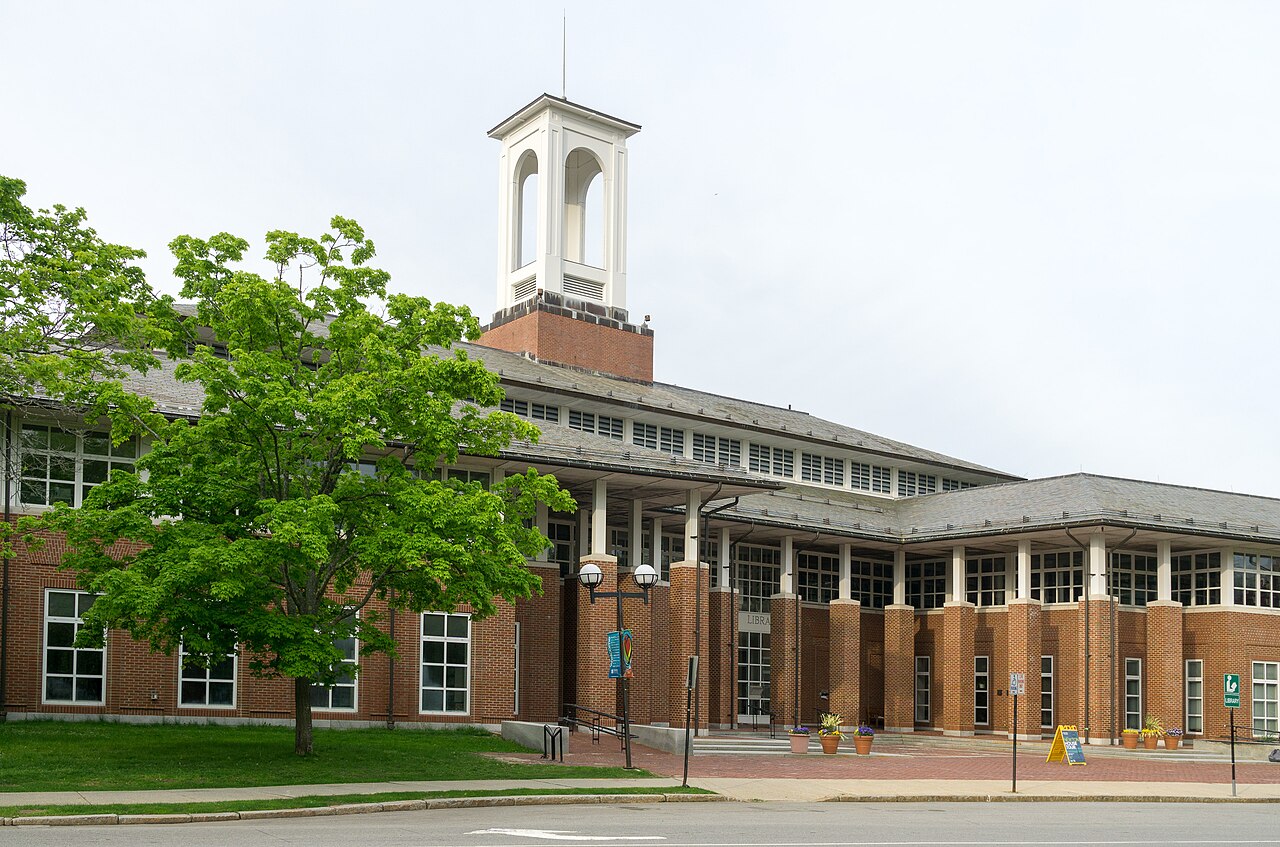
Newton's cultural offerings lean toward smaller, focused institutions rather than large museum campuses. The Jackson Homestead, which houses the Newton History Museum, is a historic house museum that covers the city's development and its role in regional and national history, including its documented connections to the Underground Railroad. It's a ticketed site, though modest in scale compared to larger city museums — check the official Jackson Homestead/Newton History Museum site directly for current ticket status and visiting details, since these can change.
The city also has a number of community arts venues, galleries, and performance spaces connected to local arts councils and to Boston College, which sits on the Newton/Chestnut Hill line and occasionally opens campus facilities or events to the public. Because offerings and schedules shift, it's worth confirming current listings directly with venues rather than relying on secondhand information.
Waterfronts and Views
Beyond Echo Bridge and the Charles River paths already mentioned, several stretches of the river through Newton — particularly near Riverside and Auburndale — offer walking and biking access along the water, connecting to the broader regional trail network that follows the Charles toward Boston. These riverside paths are free to use and are a reasonable way to get a feel for how the river shapes the city's geography, since many of Newton's villages developed around old mill sites and river crossings.
Historic Sites
In addition to the Jackson Homestead, Newton has several other historic structures open to visitors at least part of the year, including the Durant-Kenrick House and Grounds, one of the older surviving homes in the area, with grounds that include historic agricultural landscaping. Newton Cemetery and Arboretum, meanwhile, functions as both a historic burial ground and a landscaped arboretum, and it's common for visitors to walk its grounds for the plantings and monuments alone — access is generally free, though visiting hours and etiquette expectations are worth checking ahead of time. For a fuller rundown of standout sites, see Top Landmarks in Newton.
Neighborhoods to Wander
Because Newton is a collection of villages rather than a single downtown, exploring on foot means picking a village center. Newton Centre and Newtonville both have walkable clusters of shops, cafes, and restaurants, making them reasonable bases for a few hours of browsing. West Newton and Auburndale retain a more residential, small-town feel with older commercial buildings along their main streets. Nonantum, one of the more historically distinct villages, has its own identity shaped by earlier immigrant communities. Wandering between villages gives a sense of how varied Newton's built environment is, from dense village cores to quieter residential streets — the city's median age is around 42 and median gross rent runs near $2,388, per U.S. Census Bureau 2024 ACS 5-year estimates.
If you're hungry after exploring any of these areas, see Where to Eat in Newton for a general sense of dining options by neighborhood.
Planning Your Visit
Most visitors combine a park or riverside walk with one museum or historic site and a stop in a village center, which comfortably fills a day. If you're staying longer, or want to fit in more than one village plus outdoor time, the Newton 1-Day Itinerary and Newton 3-Day Itinerary lay out suggested pacing. Since Newton doesn't have a dense subway network running through most villages, plan on a mix of walking, biking, buses, and driving between areas, and check current fare and payment options for regional transit before you go, since these can change.
Weather and seasonal access matter more here than in some cities, since outdoor sites like Crystal Lake and the river trails change considerably by season — the Best Time to Visit Newton page covers that in more depth. And if you still have logistical questions after reading this guide, the Newton FAQ rounds up common practical questions from visitors.
As with any city, ordinary urban awareness applies — stick to well-traveled paths in parks after dark, keep an eye on belongings in busier village centers, and confirm current hours or access rules directly with each site before you go, since those details can change.