Best Things To Do in Newark, DE

Newark, Delaware punches above its size. With a population of around 30,000 and the University of Delaware at its center, this small city maintains the kind of walkable energy that larger towns often lose. There is genuine variety here: wooded creek trails that run surprisingly close to campus, a compact downtown where independent shops sit beside university hangouts, and a Revolutionary War battlefield that most visitors drive past without realizing what they're looking at. Whether you have an afternoon or a long weekend, Newark rewards attention.
For a broader orientation before you arrive, the Newark Travel Guide: Things to Do, Landmarks, Food, and Itineraries is a useful starting point. If you are working with limited time, the Newark 1-Day Itinerary lays out a focused route.
Outdoors and Green Space
White Clay Creek State Park
White Clay Creek State Park is the anchor of outdoor recreation for Newark. The park spans terrain on both sides of the Delaware–Pennsylvania line, so trails here can carry you across state borders without much fanfare. The creek itself is popular with fly fishers, and the surrounding woodland draws birders across the seasonal migration windows. Trail difficulty ranges from easy gravel paths to more rugged stretches along the creek banks, making the park reasonable for casual walkers as well as people looking for a longer effort.
There is no admission fee to enter most trail areas, though some amenities within the park system may require payment—check the Delaware State Parks website for current details before you go.
Iron Hill Park
Closer to the heart of Newark, Iron Hill Park offers shorter loop trails through hardwood forest. The hill itself has local geological significance and some historical layering—Native American activity and later iron ore mining both left marks on this landscape. The trailhead is accessible without a long drive, and the walk to the summit is manageable in well under an hour. It works well as a morning outing before exploring downtown.
Newark Reservoir and Local Greenways
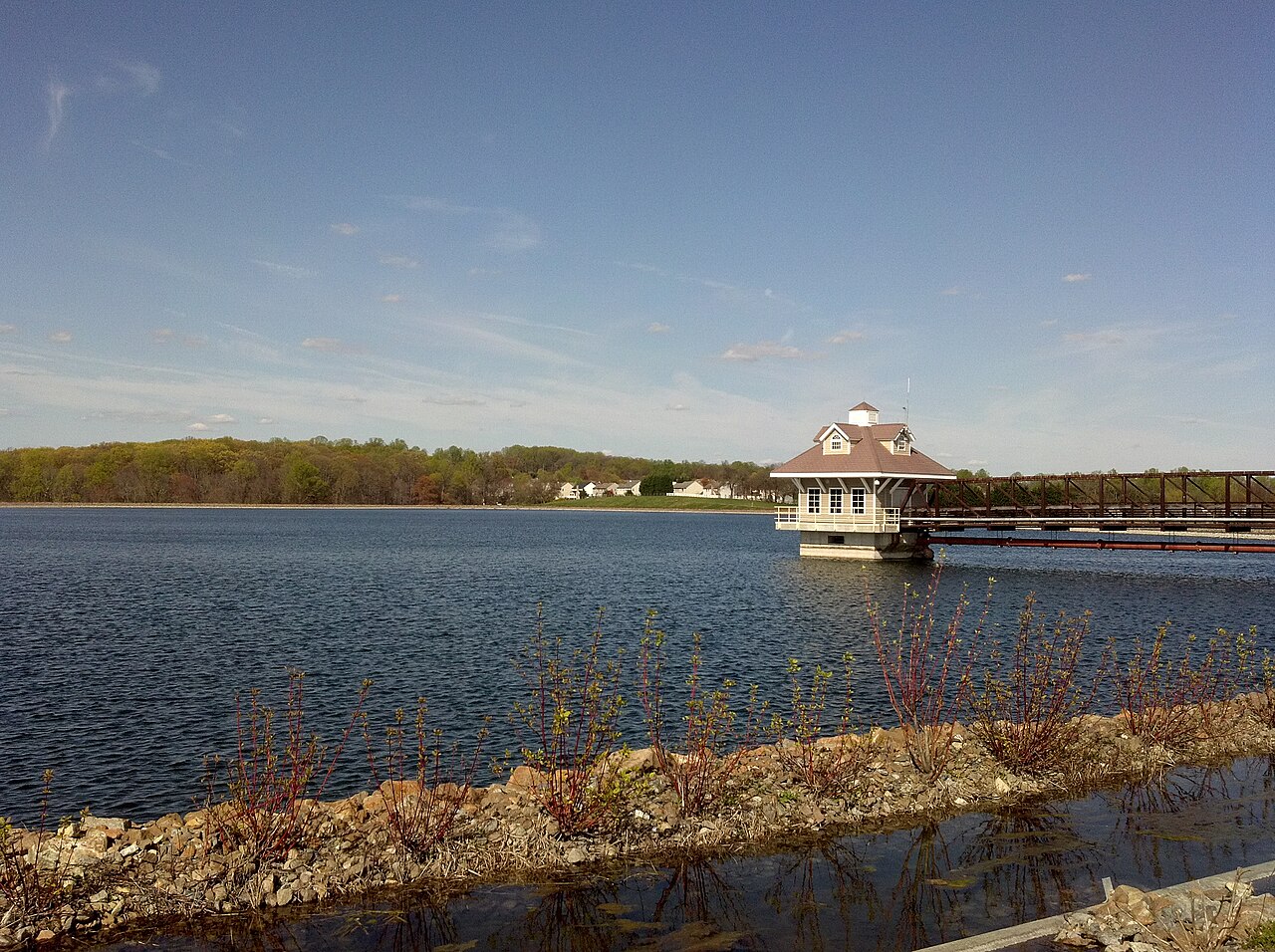
The Newark Reservoir area and the greenway corridors that thread through the city's neighborhoods are worth exploring if you like walking or cycling without a fixed destination. These routes connect residential areas to open space in a way that reflects Newark's investment in walkable infrastructure. The University of Delaware's campus itself functions as an extension of this green corridor—mature trees, open lawns, and paved paths make it genuinely pleasant to move through on foot.
History and Historic Sites
Cooch's Bridge
Cooch's Bridge is one of the more significant historical sites in all of Delaware. On September 3, 1777, British and Hessian forces clashed with Continental troops here in what is widely recognized as the only Revolutionary War battle fought on Delaware soil. The site is preserved and accessible, and a walk around the grounds gives a sense of the landscape the armies moved through. This is also one of the locations associated with First State National Historical Park, part of the broader National Park Service network. Admission to park lands here is generally free; check the NPS website for visitor information and any seasonal programming.
For more on the city's most compelling landmarks, the Top Landmarks in Newark page covers the key sites with practical context.
Campus and University Culture
University of Delaware
The University of Delaware campus is not just a backdrop—it is one of the main reasons to spend time in Newark. The central Green is a classic collegiate space, flanked by historic brick buildings, open for anyone to walk through. The university's performing arts venues, galleries, and public lecture series draw people from well beyond the student body. Check the university's events calendar for current exhibitions, theater productions, and talks that are open to the public; many carry no admission charge.
The Morris Library, the university's main research library, has a collection of historical materials and occasional public exhibitions worth checking if you have an interest in regional or Delaware history. Museum and gallery hours vary by semester, so confirm online before making a specific trip.
Neighborhoods and Street-Level Exploring
Main Street Newark
Main Street is the pedestrian spine of downtown Newark, and it functions as a genuine gathering place rather than a tourist-oriented strip. Independent bookstores, coffee shops, and a mix of long-standing local businesses line the blocks between the university's edge and the surrounding neighborhoods. On warmer evenings the sidewalks stay busy late into the night, reflecting the median age of the city—around 22—and the social patterns that come with it.
Wandering off Main Street into the surrounding blocks reveals quieter residential streets with well-maintained older housing stock and a neighborhood character that is easy to miss if you stay only on the main corridor.
For food context specifically, the Where to Eat in Newark guide covers the dining landscape across the city's roughly 445 mapped restaurants and cafes, organized by area and type.
Museums and Cultural Spaces
Newark's mapped area includes over 240 attractions, museums, and historic sites, and the University of Delaware contributes meaningfully to the cultural offering. The university maintains collections in the natural sciences and fine arts, with spaces open to public visitors at various points in the academic calendar.
The Iron Hill Museum of Natural History, located in Newark, focuses on the natural and geological history of the region. It is particularly well suited for visitors with children or an interest in the Mid-Atlantic's prehistoric record. Admission is charged; check the museum's website for current hours and ticketing.
Beyond formal institutions, Newark's gallery spaces and rotating public art installations—often connected to university programming—give the city's public spaces a texture that shifts across the year.
Practical Notes for Visitors
Newark is compact enough that many of its main draws are reachable on foot from downtown. For White Clay Creek State Park and Cooch's Bridge, a car or rideshare is practical. If you are arriving from Philadelphia or Wilmington, regional rail connects to the Newark Amtrak station, which sits within walking distance of Main Street. Local bus service connects neighborhoods and the university corridor; contactless tap-to-pay is widely accepted on regional transit. Check current schedules and service details with DART First State before your trip.
Parking is available in several university-adjacent garages and surface lots; rates and availability vary by day and time, so checking the university or city parking portals in advance saves frustration.
Standard urban awareness applies throughout Newark—keep an eye on your surroundings in unfamiliar areas after dark, as you would in any college town.
The Best Time to Visit Newark page has more on seasonal conditions, and the Newark FAQ covers common visitor questions about logistics and planning. If you have more than a day, the Newark 3-Day Itinerary builds out a fuller picture of what the city and its surroundings can hold.