Top Landmarks in Mount Vernon
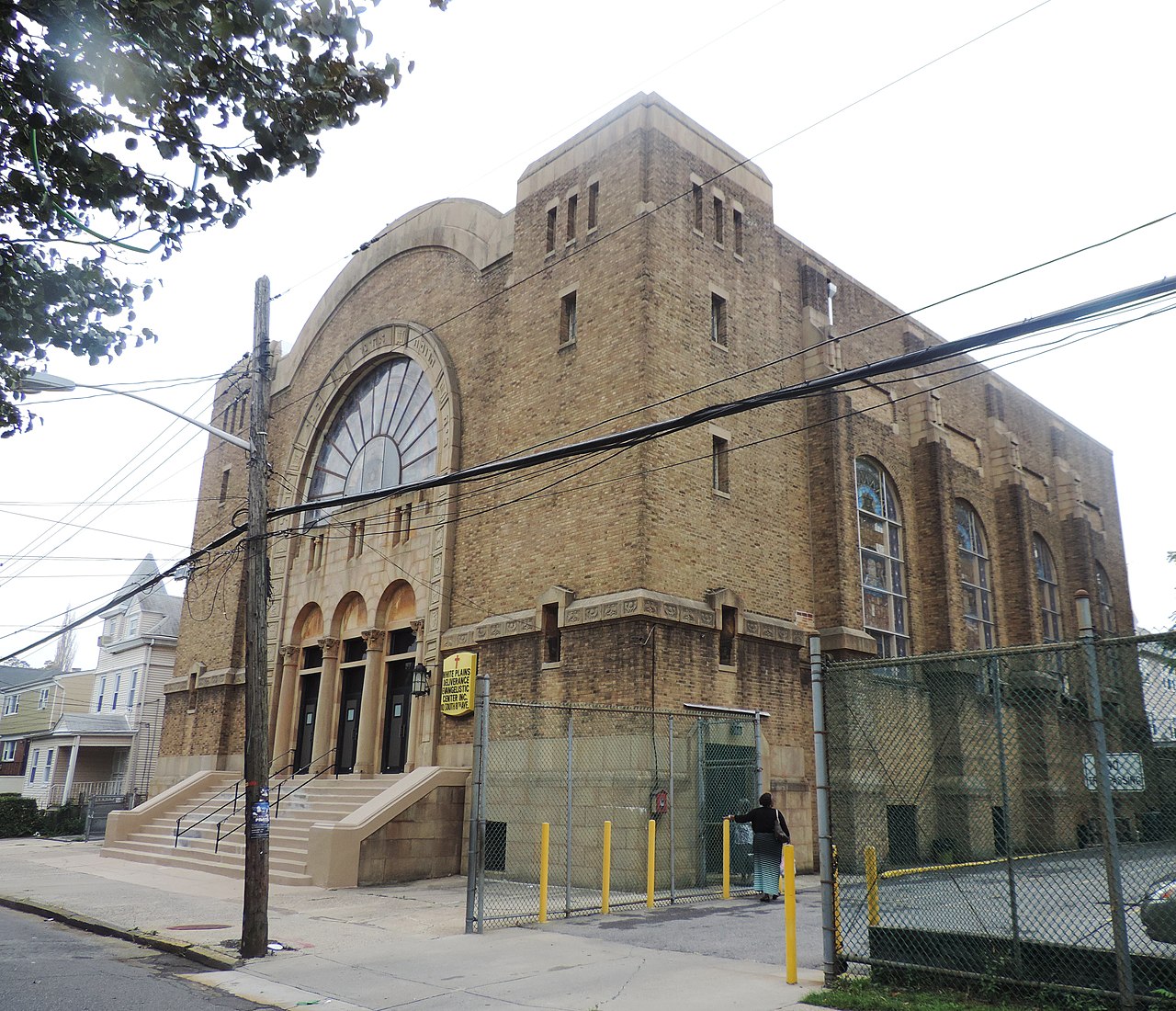
Mount Vernon, New York, sits just north of the Bronx in southern Westchester County, and its landmarks reflect that in-between position: colonial-era religious history, early-20th-century civic architecture, and residential neighborhoods that grew up around the railroad. This guide walks through the city's most commonly visited landmarks, explains why each is worth a stop, and suggests how to string them together on foot. For a broader overview of the city, start with the Mount Vernon Travel Guide, which covers the destination as a whole.
St. Paul's Church National Historic Site
The single most historically significant site in Mount Vernon is St. Paul's Church National Historic Site, administered by the National Park Service. The church building dates to the colonial period and sits on a site with roots that stretch back further still, including a burial ground with markers spanning several centuries of local history. St. Paul's is closely associated with the 1733 election dispute involving publisher John Peter Zenger, a case often cited in discussions of early press freedom in colonial America. Because it's a National Park Service unit, specifics like visiting hours and program schedules change from season to season, so it's worth checking the official NPS site directly before planning a visit rather than relying on secondhand information. The grounds themselves—stone church, cemetery, and surrounding green space—make for a quiet, contained stop that doesn't take long to appreciate on a casual visit.

Mount Vernon City Hall
Downtown, Mount Vernon City Hall anchors the city's civic core. It's a solid example of early-20th-century municipal architecture and functions as the seat of city government, which means it's worth viewing from the outside as a piece of the built environment rather than as a ticketed attraction. The surrounding downtown blocks, centered loosely around Fourth Avenue and the neighboring commercial streets, give a sense of Mount Vernon's role as a working city rather than a purely residential suburb. Storefronts, municipal buildings, and transit connections cluster here, making it a natural hub to start or end a walking route.
Fleetwood
North of downtown, the Fleetwood section of Mount Vernon is known for its residential architecture and its commuter rail station, which has long served as a gateway between the city and destinations further into Westchester or south toward New York City. Fleetwood's tree-lined streets and older housing stock reflect an early-suburban character distinct from the denser blocks closer to the Bronx border. It's less a single landmark than a recognizable district, and it's a pleasant area to walk through if you're interested in residential architecture from the early 1900s.
Memorial Field
Memorial Field is a longstanding athletic facility in Mount Vernon with a history tied to local school sports and community events over multiple generations. It has served as a gathering point for the city well beyond its function as a playing field, and it remains a point of local pride tied to Mount Vernon's civic identity. As with any active public facility, event schedules and access details are best confirmed directly rather than assumed.
Wilson's Woods Park and Hartley Park
Mount Vernon's park system includes Wilson's Woods Park and Hartley Park, both of which offer green space within a compact urban footprint. These parks are common visited spots for residents looking for a walk, a place to sit outside, or a break from the denser commercial blocks downtown. Neither is large in scale, but together they round out a picture of Mount Vernon as a city that balances its historic and civic landmarks with ordinary neighborhood green space.
How the Landmarks Cluster
Geographically, Mount Vernon's landmarks fall into a few loose clusters. Downtown, around City Hall and the Fourth Avenue corridor, is the civic and commercial center. Fleetwood, to the north, is more residential and centers on the train station. St. Paul's Church sits closer to the city's southern edge, nearer the Bronx line, and functions somewhat separately from the downtown cluster given its historic, self-contained grounds. The parks are scattered across residential sections and work well as a stop on the way between the other clusters rather than as a standalone destination.
Combining Them on a Walk
A reasonable approach for a single outing is to begin downtown near City Hall, since it's centrally located and near transit and food options—see Where to Eat in Mount Vernon for general dining context in that area. From there, it's a manageable walk or short ride north to Fleetwood to see the station area and residential streets, or south toward St. Paul's Church for the historic site and cemetery grounds. Wilson's Woods Park or Hartley Park can be worked in depending on which cluster you're visiting, since both sit within residential sections of the city rather than downtown itself.
If you're mapping out a fuller visit, the Best Things To Do in Mount Vernon page covers activities beyond these landmarks, and the Mount Vernon 1-Day Itinerary or Mount Vernon 3-Day Itinerary lay out suggested routes that incorporate them alongside food and other stops. Because Mount Vernon connects easily to Bronx and Manhattan transit lines, it's also common to treat these landmarks as part of a broader day that includes destinations outside the city.
Practical Notes
As with any urban area, ordinary awareness of your surroundings is a reasonable approach, particularly around transit stations and after dark. Contactless tap-to-pay is widely accepted on regional subway, bus, and train systems if you're connecting from New York City, though it's worth checking current transit agency information directly rather than assuming fare structures, since those details change. Seasonal conditions can also affect how comfortable outdoor stops like St. Paul's Church grounds or the city parks are to visit—see Best Time to Visit Mount Vernon for general guidance on planning around weather and seasonal patterns. For other common questions about visiting, the Mount Vernon FAQ page addresses logistics not covered in detail here.
Taken together, Mount Vernon's landmarks tell a layered story: a colonial-era religious and legal history at St. Paul's, an early-20th-century civic identity around City Hall and Fleetwood, and an ongoing community life visible in places like Memorial Field and the city's parks. None of them require a full day on their own, which makes Mount Vernon a reasonable stop to combine with a broader look at the surrounding Westchester and Bronx area.