Best Things To Do in Middletown

Middletown occupies a bend in the Connecticut River in the heart of the state, roughly equidistant from Hartford to the north and New Haven to the south. A city of around 47,000 residents, it combines a well-preserved downtown streetscape, a well-regarded private liberal arts university, state parkland, waterfront access, and one of the wider main streets you'll find anywhere in New England — all within easy walking or a short drive of one another. Whether you're spending an afternoon or a long weekend, there's a practical range of free and ticketed activities worth building a visit around. For a broader planning overview, the Middletown Travel Guide: Things to Do, Landmarks, Food, and Itineraries is a good place to start.
Along the Connecticut River
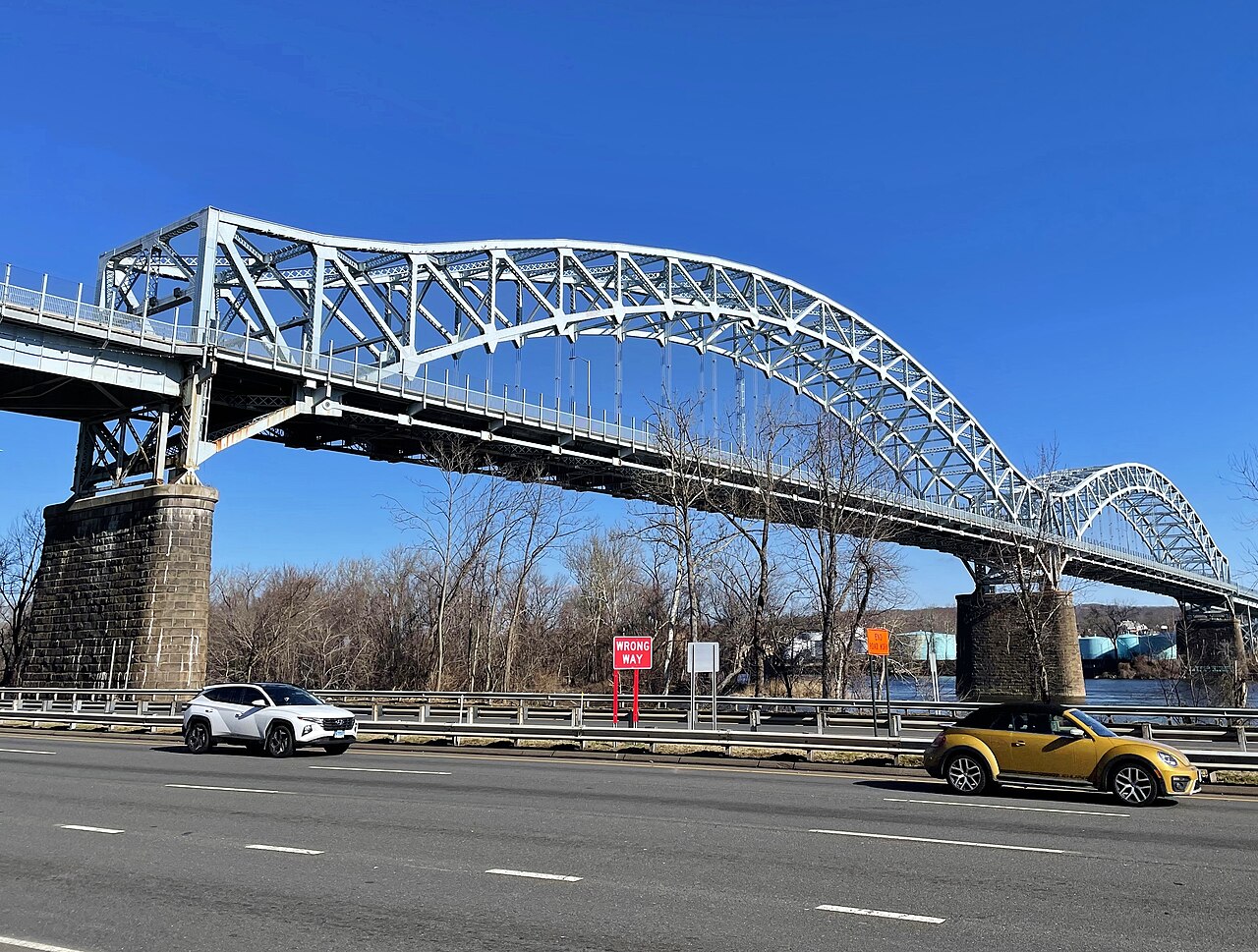
The Connecticut River defines Middletown's eastern edge, and Harbor Park is where most visitors get their first real look at it. The park runs along the riverbank south of the downtown core, with walking paths, open lawn, and clear sightlines across the water toward Portland. The Arrigoni Bridge — a steel through-truss span that links the two towns — makes for a solid piece of early-20th-century industrial architecture worth pausing to take in from the waterfront.
At certain times of year, the river sees meaningful boating activity: kayakers, small sailboats, and the occasional larger vessel working through. The waterfront around Harbor Park is open to the public and makes for a low-effort stop that rewards an unhurried hour, particularly in the early morning or late afternoon.
For those willing to cross into Portland via the Arrigoni Bridge, Brownstone Exploration Park, in Portland, CT, offers a markedly different kind of water experience — a former sandstone quarry developed into a swimming and outdoor adventure destination that draws visitors from across the region during summer months. Check the park's official website for current operating schedules and any admission requirements before making the trip.
Parks, Trails, and Outdoor Spaces
Wadsworth Falls State Park is among the most commonly visited natural areas in Middletown, and the draw is clear. The park contains a series of waterfalls — the main Wadsworth Falls drops in a wide curtain into a pool below — along with hiking trails and picnic areas. A secondary cascade at Mary's Place, further into the park, gives hikers a reason to go beyond the main overlook. The trails are accessible to a wide range of fitness levels, and the park draws consistent foot traffic on weekends. Check the Connecticut DEEP website for current access information before visiting.
The Mattabesett Trail, part of Connecticut's established Blue-Blazed Hiking Trail System, runs through the Middletown area and connects to ridgeline terrain with views across the surrounding countryside. Sections near the city offer more rugged going than the state park, and the trail appeals to those looking for a longer outing. Up-to-date trail maps and conditions are available through the Connecticut Forest and Park Association.
Closer to the center of the city, smaller parks and green spaces provide breathing room without requiring a drive. The town green near the heart of downtown anchors the kind of casual public life — informal gatherings, seasonal programming, people passing through — that gives a city its daily texture.
Wesleyan University and the Arts
Wesleyan University occupies a substantial portion of upper Middletown, and the campus itself is worth exploring. The architecture spans multiple periods, from 19th-century brownstone structures to more recent buildings, and the grounds are generally accessible to visitors. Walking through gives a sense of the university's scale and its integration with the surrounding residential neighborhoods.
The Wesleyan University Center for the Arts maintains a regular schedule of performances, exhibitions, and cultural programming across theater, music, dance, and film. The Davison Art Center, also on campus, holds a collection of prints and photographs open to visitors; check the university's official site for current hours and any entry requirements. These venues give Middletown a cultural footprint that extends considerably beyond what you'd expect from a city of its size, and a quick look at the programming calendar before your visit can open up worthwhile evening options.
The arts scene in Middletown more broadly reflects the university's influence. Local galleries and performance venues operate throughout downtown, and the city supports a working creative community that gives the area genuine character. If arts and performance are central to your interests, pairing a campus walk with an evening at one of the cultural venues makes for a well-rounded day.
Historic Downtown and Main Street
Middletown's Main Street is notably wide — a feature rooted in the city's 18th-century layout, and one that gives the downtown a different scale than the tighter commercial corridors common in New England. Walking its length, you'll pass a mix of independent shops, local restaurants, and older commercial buildings, many of which retain their original façades. The effect is spacious in a way that rewards lingering rather than rushing.
A self-guided walk through the downtown core turns up Civil War-era monuments, the old county courthouse buildings, and 19th-century commercial blocks that give Main Street its architectural character. For a detailed look at specific sites, Top Landmarks in Middletown covers the standout points of interest in greater depth.
Russell Library, the city's public library, holds a prominent position in downtown and is worth stepping into — as much for the architecture as for the library itself. The South Green, at the southern end of the main commercial corridor, is quieter and less trafficked than Main Street, surrounded by older residential and civic buildings. It gives a useful sense of how the city grew outward from its original center.
Neighborhoods Worth Wandering
The residential blocks immediately west of Main Street reward unhurried walking. The mix of Victorian-era houses, early 20th-century apartment buildings, and converted commercial properties is the kind of thing that doesn't make most visitor itineraries but gives a city genuine character at street level.
The neighborhoods surrounding Wesleyan, north of downtown, have their own rhythm — a blend of older housing stock, student life, and small businesses that tend to keep hours suited to the academic schedule. Cafes and independent shops in this area are often a useful option for visitors arriving on the later side of the day.
Eating and Drinking in Middletown
Middletown supports a substantial dining scene for a city of its size, with several hundred restaurants and cafes spread across downtown and the surrounding neighborhoods. The range runs from counter-service spots near the university to sit-down restaurants along Main Street, with a reasonable spread of cuisines and price points. The Where to Eat in Middletown guide covers the dining landscape by neighborhood and type in more detail.
Practical Notes for Visitors
Middletown is reachable by car from most of central Connecticut within an hour, and municipal parking lots and on-street spaces are available in the downtown area, though availability varies by time of day and day of the week. Regional bus service connects Middletown to Hartford and surrounding towns; check Connecticut Transit's official site for current schedules and fare information.
If you're planning a structured day, the Middletown 1-Day Itinerary offers a practical sequence. For a longer stay, the Middletown 3-Day Itinerary covers more ground. Seasonal factors — particularly for outdoor activities and the academic calendar's effect on university venues — are covered in detail on the Best Time to Visit Middletown page. Common planning questions are addressed in the Middletown FAQ.
Standard urban awareness applies in Middletown as in any mid-size American city: keep track of your belongings, be attentive in parking areas after dark, and note that the downtown core around Main Street is routinely active and well-trafficked during daytime hours, while side streets vary.