Best Things To Do in Marlborough

Marlborough, Massachusetts, sits in the MetroWest region west of Boston, and its list of activities reflects that middle ground between suburban convenience and older New England town character. According to 2024 ACS 5-year Census data, Marlborough has a population of 41,398 and a median age of 37.2, and the city's visitor experience balances outdoor recreation, small-scale cultural sites, and a compact downtown worth strolling through on foot. This guide groups the main things to do by interest area, and notes which activities are typically free to enjoy versus which involve a ticket or program fee, without pinning down amounts that tend to shift over time.
For a broader orientation to the city, including where to stay and general trip planning, see the Marlborough Travel Guide: Things to Do, Landmarks, Food, and Itineraries. If you're mapping out how to spend a single day or a longer weekend, the Marlborough 1-Day Itinerary and Marlborough 3-Day Itinerary offer suggested routes that tie many of these stops together.
Parks and Outdoor Spaces
Marlborough's outdoor offerings lean toward accessible, low-key recreation rather than dramatic scenery, which suits a quick afternoon outing or a longer walk. The city maintains a network of conservation land and municipal parks, many of which are free to enter and popular with joggers, dog walkers, and families. Trails through wooded conservation areas offer a break from the more developed commercial corridors along Route 20 and near the Solomon Pond Mall area, and they're generally easiest to enjoy in comfortable footwear given uneven or unpaved sections.
Walden Pond, one of the region's well-known natural landmarks, lies a short drive from Marlborough and is a common day-trip addition for visitors staying in the city, though it's technically located in a neighboring town. Locally, smaller ponds and reservoirs around Marlborough provide spots for fishing or a quiet walk, and seasonal weather plays a real role in how enjoyable these outdoor spaces are — the Best Time to Visit Marlborough page goes into more detail on planning around New England's seasonal swings.
Museums and Culture
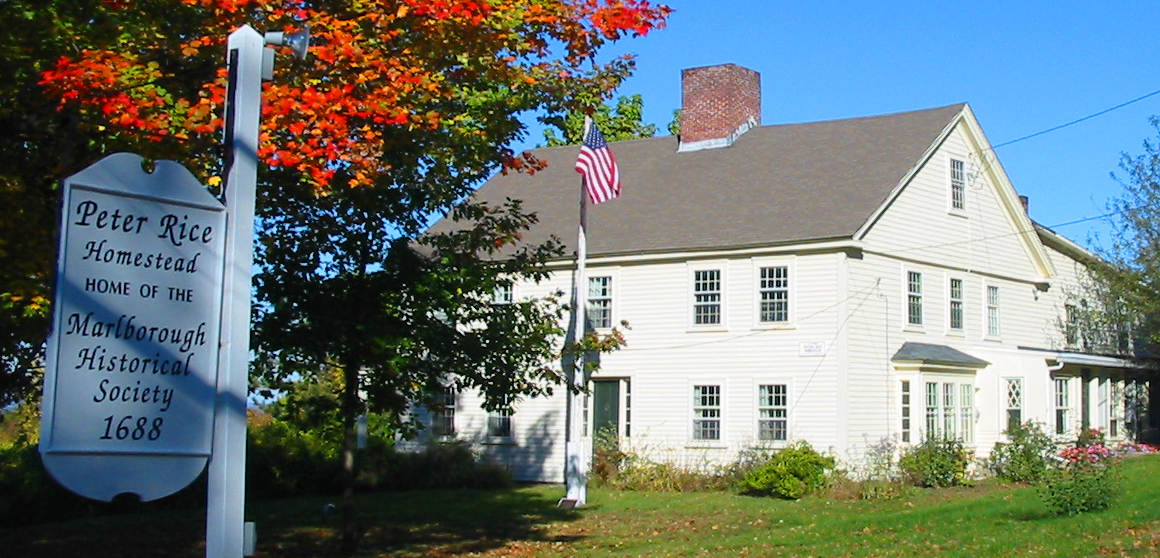
Cultural offerings in Marlborough tend toward community-scale institutions rather than large regional museums, which makes for a more relaxed, less crowded visit. Local historical societies and small museums preserve artifacts and exhibits related to the city's development from an agricultural settlement into a manufacturing and, later, technology-industry hub. These sites are frequently free or low-cost to visit, though it's worth checking each organization's official website ahead of time, since operating days and any associated fees can vary by season.
Public art and rotating exhibits occasionally appear in civic buildings and at community events, adding a changing element to what's otherwise a fairly steady lineup of cultural attractions. Visitors interested in a deeper dive into the city's built heritage should pair a cultural stop with a look at the Top Landmarks in Marlborough, which covers specific sites in more depth.
Historic Sites
Marlborough was incorporated in the 17th century, and that long history is visible in scattered historic markers, old cemeteries, and preserved buildings around the city, particularly near the downtown core. Self-guided walks through these areas are typically free and don't require advance planning, making them a flexible option to slot into any day. Some structures are privately owned and viewable only from the exterior, so it's worth checking posted signage or official sources before assuming interior access.
The surrounding region also has a notable concentration of National Park Service sites, with roughly 20 in or near the greater area, reflecting New England's dense layer of colonial and Revolutionary-era history. Confirming which specific sites are open to the public, along with any current visiting guidelines, is best done through the National Park Service's official site rather than relying on a general guide, since NPS hours and access policies are updated periodically.
Waterfronts and Views
Marlborough is inland, so it doesn't have a dramatic waterfront in the coastal sense, but its ponds, reservoirs, and stream corridors provide modest water views and are popular for casual walking or a break from downtown activity. These areas are generally free to access and work well as a stop between other planned activities rather than as a full excursion on their own. For visitors seeking a more substantial waterfront or coastal view, that typically means a drive out of the city toward the Massachusetts coastline or one of the larger lakes elsewhere in the state.
Neighborhoods to Wander
Downtown Marlborough, centered around Main Street, is the most walkable area for visitors and combines older commercial architecture with newer development. It's a reasonable starting point for exploring on foot, with sidewalks connecting many of the city's civic buildings, small shops, and dining options. For a rundown of where to grab a meal while exploring, see Where to Eat in Marlborough.
Beyond downtown, Marlborough's residential neighborhoods reflect its identity as a well-established MetroWest community — 2024 ACS 5-year Census data show a median household income of $95,047 and median gross rent of $1,721 — and the tree-lined streets in many neighborhoods make for a pleasant, unhurried walk even without a specific destination in mind. As with any city, ordinary urban awareness applies: stick to well-lit, populated areas after dark and keep valuables out of sight in parked vehicles, the same common-sense precautions that apply in most American cities and towns.
Free vs. Ticketed Activities
As a general pattern, Marlborough's outdoor spaces — parks, trails, ponds, and self-guided historic walks — are free to access. Museums, historical society sites, and any organized tours or programs are more likely to involve a ticket, suggested donation, or membership fee, and those details are best confirmed directly with each venue before a visit. Because pricing, hours, and seasonal availability change, checking official websites in advance is the most reliable way to avoid a wasted trip.
For answers to other common visitor questions, including logistics and planning basics, the Marlborough FAQ is a useful next stop.