Top Landmarks in Manchester
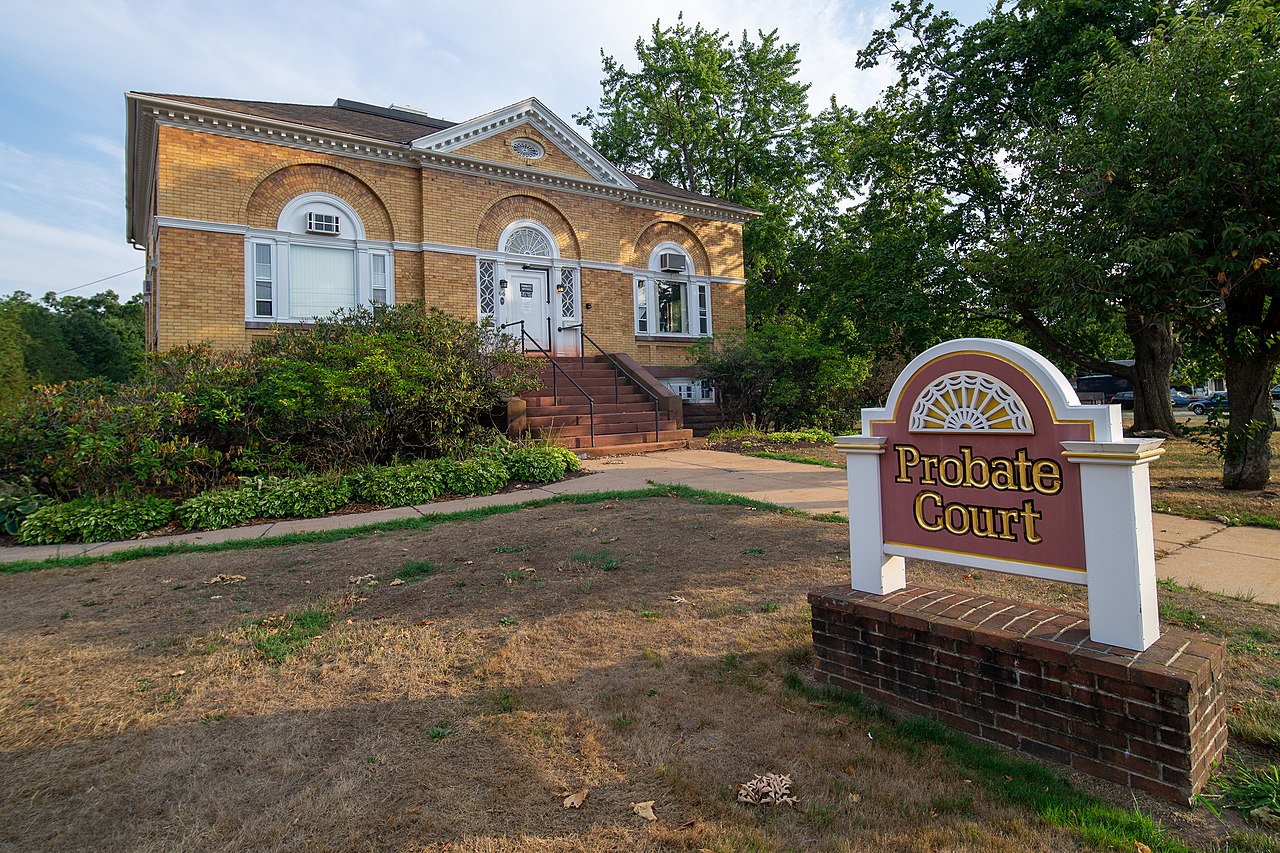
Manchester, Connecticut, grew up around the silk manufacturing business of the Cheney family, and that history shapes much of what visitors come to see today. The city's landmarks cluster into two general areas: a walkable historic core built around the old Cheney mill complex and downtown Main Street, and a set of outdoor spaces on the town's eastern edge that trace back to the same industrial era. This guide covers the landmarks most commonly associated with Manchester, how they relate to one another geographically, and how to string them together into a single outing. For a broader rundown of things to do beyond these sites, see the Manchester Travel Guide or the more detailed Best Things To Do in Manchester page.
The Cheney Brothers Historic District
The single most significant landmark in Manchester is the Cheney Brothers Historic District, a National Historic Landmark district covering the mill buildings, worker housing, and family estates built by the Cheney silk manufacturing family in the 1800s and early 1900s. The district spans a large swath of the city's center, and its brick mill buildings, many of which have been adapted for modern residential and commercial use, are worth a slow walk or drive-through for anyone interested in American industrial history. Interpretive signage throughout the district explains the layout and purpose of individual buildings, which is a helpful way to get oriented before exploring further.
Within the district, a few individual structures stand out on their own:
- Cheney Hall, a restored 19th-century theater and community hall that once served as a recreational and cultural center for mill employees and today hosts local performances and events.
- Cheney Homestead, the former residence of one of the Cheney family members, now maintained by the Manchester Historical Society and used to interpret the family's role in the city's development.
- The mill office and factory buildings along Elm and Pine Streets, whose scale gives a sense of how large the operation once was relative to the surrounding town.
Because opening schedules for historical sites and museums can change, it's a good idea to check official sources directly before planning a visit around a specific building's interior.

Downtown Main Street
Just south of the Cheney district, Manchester's Main Street corridor holds a mix of early-20th-century commercial architecture, civic buildings, and green space. Center Memorial Park, a formal park near the intersection of Main and Center Streets, includes a war memorial and is commonly used as a gathering point for community events and seasonal markets. The park's layout, with its central green and surrounding trees, makes it an easy place to pause partway through a walking tour of downtown. Several churches and civic buildings along Main Street date to the same period as the Cheney mills and add to the overall sense of the district's age, even where individual buildings aren't formally designated landmarks.
Case Mountain Recreation Area
On the eastern side of the city, Case Mountain Recreation Area offers a different kind of landmark: a network of wooded trails and rock outcroppings that was, like much of Manchester's parkland, originally connected to the Cheney family's private holdings before being opened for public use. Trails here vary in length and difficulty, with several leading to overlooks that give a sense of the surrounding landscape. It's a popular destination for hiking and mountain biking, and the ordinary precautions that apply to any wooded trail system, staying on marked paths, carrying water, and letting someone know your route, are worth keeping in mind.
Union Pond and the Mill Ponds
Manchester's industrial history also left behind a system of reservoirs and mill ponds originally built to power the Cheney mills. Union Pond, near the historic district, is one of the more visible of these and is bordered by a walking path that many visitors use as a shorter, flatter alternative to the Case Mountain trails. The pond and its surrounding greenway tie the industrial history of the mill district to the more recreational landscape further east, and the walk between the two areas gives a good sense of how the city's layout grew outward from its manufacturing base.
Combining the Landmarks into a Walk
Because the Cheney Brothers Historic District, Cheney Hall, Cheney Homestead, and Center Memorial Park all sit within a compact area, they're straightforward to combine into a single walking route, generally starting at the mill buildings, moving through the district toward Cheney Hall and the homestead, and finishing at the park downtown. Case Mountain and Union Pond are better treated as a separate outing, since they involve more time outdoors and, in Case Mountain's case, uneven terrain.
If you're mapping out a longer visit, the Manchester 1-Day Itinerary lays out a route that pairs these landmarks with meals and other stops, while the Manchester 3-Day Itinerary spreads them across a longer stay alongside day trips. For seasonal considerations, including when trail conditions or foliage might affect a visit to Case Mountain, see Best Time to Visit Manchester. Practical questions about getting around the city and finding parking near the historic district are addressed in the Manchester FAQ, and if you're looking for a place to eat after a walk through downtown, the Where to Eat in Manchester guide covers the range of options near Main Street and the Cheney district.
Manchester's landmarks reward a somewhat unhurried approach: much of what makes the Cheney district notable is the cumulative effect of its brick mill buildings and worker housing rather than any single structure, and the same is true of the trail network at Case Mountain. Building in time to walk rather than drive between sites is generally the most effective way to take in what the city has preserved from its manufacturing era.