Livermore, California sits at the eastern edge of the Bay Area in Alameda County, and its landmarks reflect that position: a compact historic downtown, one of the oldest wine-growing regions in the state, and open space that stretches toward the hills. Visitors planning a trip can use this guide alongside the Livermore Travel Guide: Things to Do, Landmarks, Food, and Itineraries for a fuller overview, or jump straight into the Best Things To Do in Livermore for activity ideas beyond sightseeing.
Downtown Livermore and First Street
The natural starting point for exploring Livermore is its historic downtown, centered on First Street. This corridor has been the commercial heart of the city since the late 1800s, and much of its low-rise brick architecture from that era has been preserved and adapted for present-day shops, restaurants, and gathering spaces. Downtown Livermore is walkable in a way the rest of the city, built around suburban blocks and vineyards, generally is not, which makes it a good anchor for a self-guided visit.
Within downtown, the Livermore Valley Performing Arts Center, known locally as the Bankhead Theater, is one of the more recognizable buildings. It hosts a regular calendar of concerts, theater, and community performances, and its modern design stands out against the older storefronts nearby. Because performance schedules and ticket details change frequently, it's worth checking the venue's official site directly rather than relying on secondhand information.
Downtown Livermore is also a practical base for meals between landmark stops. The where-to-eat overview at Where to Eat in Livermore covers the range of dining options clustered in and around this district.
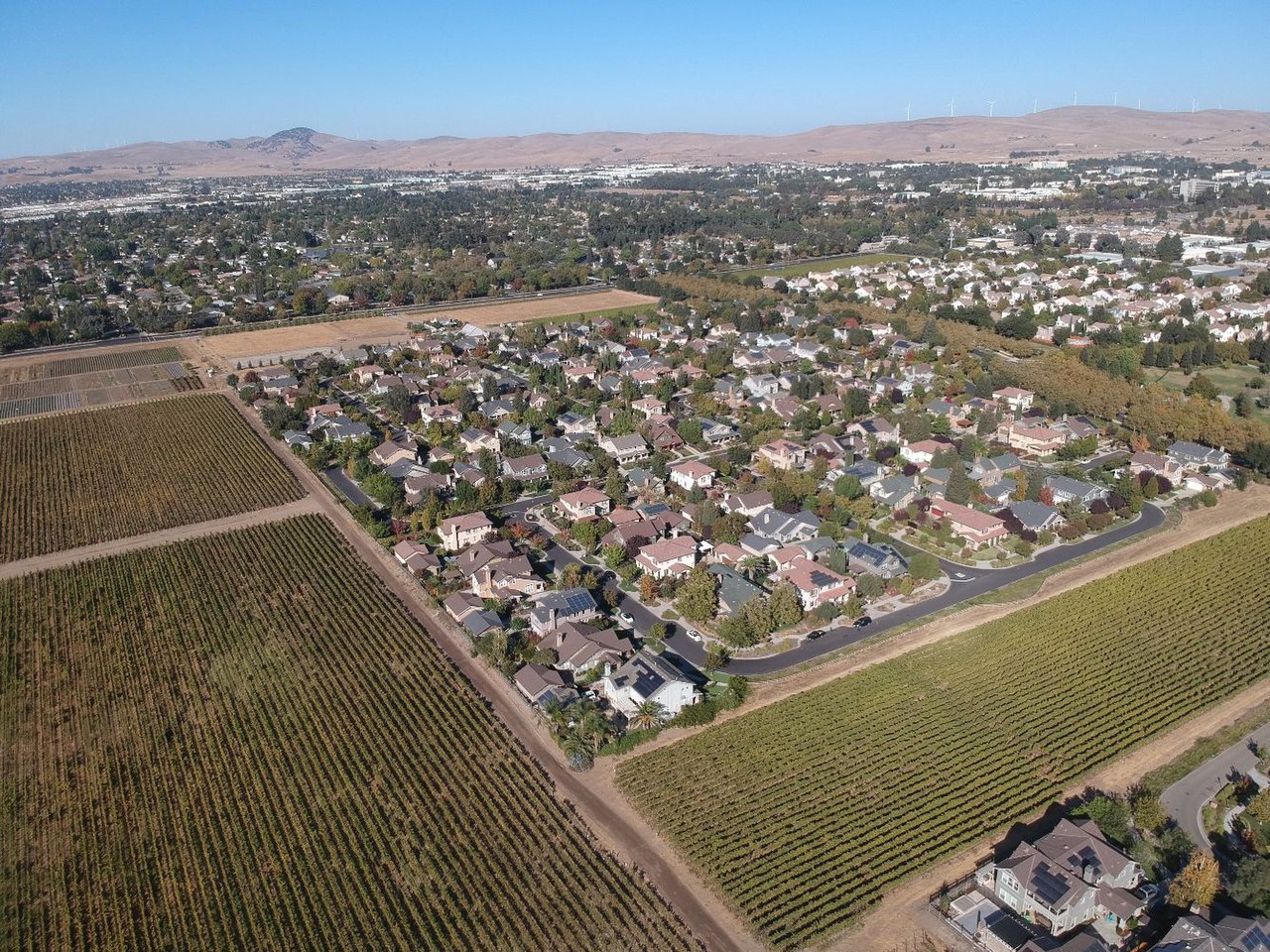
Livermore Valley Wine Country
South of downtown, along Tesla Road and the surrounding rural roads, Livermore Valley's wine country is one of the region's defining features. This is one of California's older wine-growing areas, with cultivation in the valley dating back to the 19th century, and it remains a working agricultural landscape rather than a purely scenic one — rows of vines, tasting rooms, and family-run estates sit close together across a fairly compact area.
Wente Vineyards is among the most established names in the valley, with roots as a family winery that trace back generations, and it has grown to include tasting facilities, event spaces, and a golf course on its grounds. Concannon Vineyard, nearby, is similarly historic and is often cited as one of the longest continuously operating wineries in the country. Beyond these two, dozens of smaller wineries are spread across South Livermore, many clustered closely enough that visitors can move between several in a single afternoon without long drives.
Because tasting room hours, fees, and reservation policies vary by winery and change seasonally, it's best to check each winery's official site before planning a visit. The wine country area pairs naturally with a slower-paced day, and travelers mapping out a longer stay may find the Livermore 3-Day Itinerary useful for balancing wine country time against the rest of the city.
Parks and Open Space
Livermore's landscape opens up quickly outside the built-up core, and its parks and open space areas function as landmarks in their own right. Del Valle Regional Park, a short drive south of the city, centers on Lake Del Valle, a reservoir set against the surrounding hills that draws visitors for boating, fishing, and hiking. Shadow Cliffs Regional Recreation Area, closer to central Livermore, is built around a former quarry converted into a lake and swim area, and it functions as a more accessible, family-oriented counterpart to Del Valle.
Sycamore Grove Park, on the city's southern edge, offers a gentler landscape of oak woodland and open trails along Arroyo del Valle, and it's commonly visited for walking and cycling rather than water-based recreation. Together, these parks give Livermore a green, outdoor-recreation identity that complements its downtown and wine country landmarks.
Institutions and Local Character
Lawrence Livermore National Laboratory is one of the city's most recognizable names nationally, given its long history in scientific and federal research. It is a working research facility rather than a general tourist attraction, and public access is limited, so it's best understood as a notable institution that shapes Livermore's identity and economy rather than a stop on a sightseeing walk.
Grouping the Landmarks Into a Visit
Because of how Livermore is laid out, its landmarks fall into a few natural clusters. Downtown Livermore and the Bankhead Theater sit within easy walking distance of each other and work well as a single stop, ideally combined with a meal. Wine country landmarks like Wente Vineyards and Concannon Vineyard are grouped together several miles south and are best explored by car, moving between wineries at a relaxed pace. The parks — Del Valle, Shadow Cliffs, and Sycamore Grove — form a third, more spread-out cluster suited to travelers who want to build outdoor time into their day.
Visitors with a single day in Livermore often choose one cluster to focus on rather than attempting all three, while those with more time can combine downtown and wine country in one day and save the parks for another. The Livermore 1-Day Itinerary and Livermore 3-Day Itinerary both lay out sample schedules that connect these areas.
Planning Around the Season
Livermore's climate and event calendar can affect how enjoyable certain landmarks are to visit, particularly the outdoor wine country roads and the parks, which are more comfortable in cooler months. The Best Time to Visit Livermore page covers this in more detail, and general logistics questions are addressed in the Livermore FAQ.
Livermore's population is about 85,870 as of the 2024 ACS 5-year estimates, with a relatively high median household income and a median age of about 40, per the same source. Its landmarks, from a 19th-century winery to a preserved downtown corridor, have been maintained rather than redeveloped over time.