Lexington 3-Day Itinerary

Lexington, Massachusetts, is a town most visitors associate with a single morning in April 1775, but there's enough here to fill several days without repeating ground. This itinerary spreads a visit across three themed days — Revolutionary landmarks, town center and community life, and outdoor or day-trip options — so travelers with more time can move at a slower pace than a single-day visit allows. If you're working with less time, the Lexington 1-Day Itinerary condenses the highlights into one compact loop.
Lexington is a residential town of around 34,000 people with a median age in the mid-40s, and it functions as a quiet, comfortably affluent community rather than a dense tourist hub. That character shapes how a visit here feels: distances between sites are walkable in the town center but require a car or bike for the outlying areas, and pace tends to be unhurried. For guidance on timing a trip around weather, foliage, or quieter periods, see Best Time to Visit Lexington.
Day 1: Revolutionary Landmarks
Start where the story most associated with Lexington begins: the Battle Green, the town common where colonial militia gathered on the morning of April 19, 1775. The green is anchored by the Minute Man statue and several period markers, and it's an easy starting point on foot for the historic core of town. From there, a short walk connects a cluster of preserved eighteenth-century buildings — Buckman Tavern, where militia members reportedly waited before the confrontation, and the Hancock-Clarke House, associated with Samuel Adams and John Hancock's presence in town that night. Munroe Tavern, a bit farther from the green, rounds out the trio of historic house sites and adds context on the British retreat later that day.
Because operating seasons, tour formats, and admission policies for these historic properties can change, check the official Lexington Historical Society and town visitor resources before planning your route in detail. The same goes for the Lexington Visitor Center near the green, which is a practical stop for maps and orientation regardless of what's currently open.
For a broader sense of what else counts among the town's notable sites — including ones slightly outside the historic core — the Top Landmarks in Lexington page is a useful companion. Round out the day with dinner in the town center; the Where to Eat in Lexington guide covers the range of options near the green without ranking them, since the right pick depends on what you're in the mood for after a day of walking.
Day 2: Town Center and Community Life
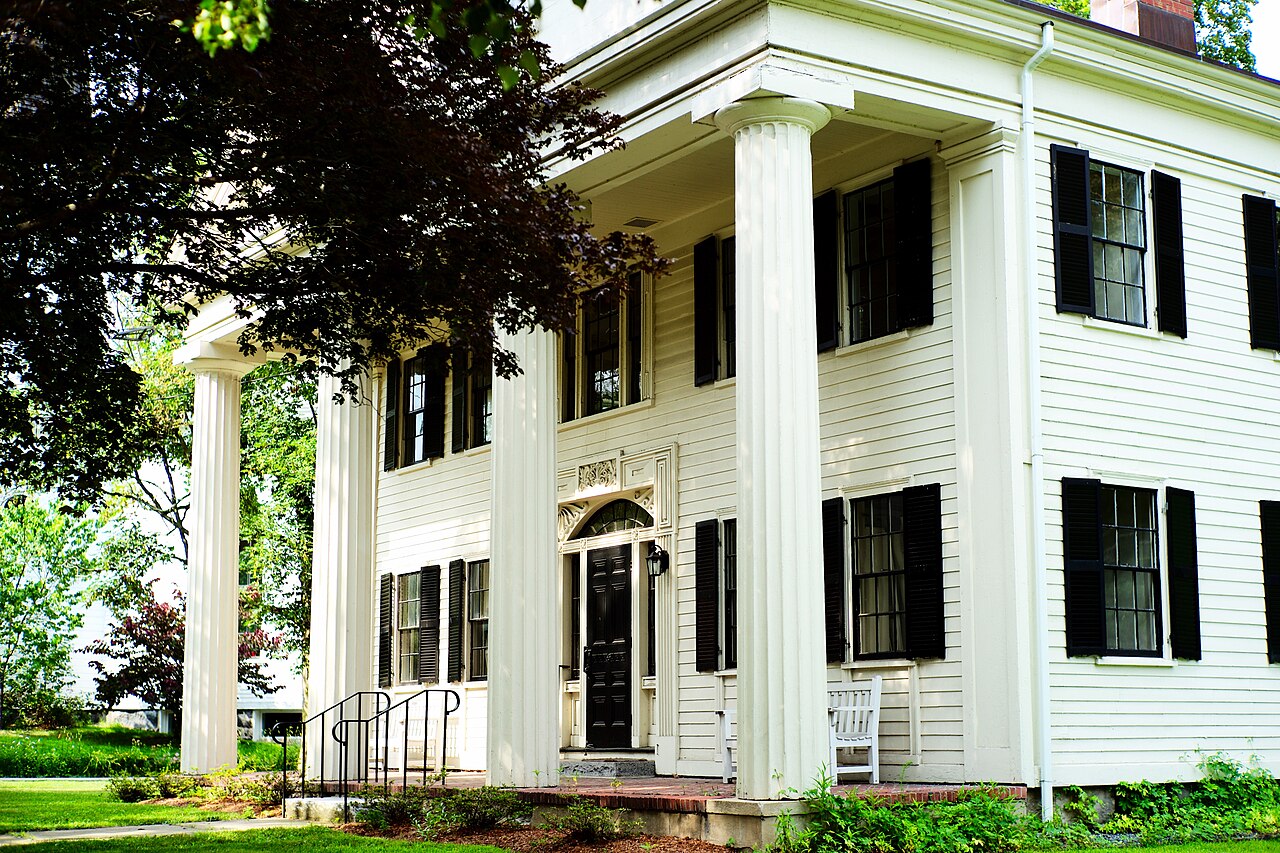
Day two shifts from monuments to the rhythm of the town itself. Lexington's center is a compact commercial district built around Massachusetts Avenue, with independent shops, cafes, and a mix of everyday services that reflect a residential community rather than a destination retail strip. It's worth simply walking the area at an easy pace, since much of what makes a town like Lexington distinct — well-kept public spaces, a strong civic identity tied to its history, comfortably high median household incomes reflected in the housing stock — comes through more in atmosphere than in any single sight.
This is also a good day to visit Lexington's library and any rotating exhibits at local museums or historical society properties, which often go beyond the Revolutionary War narrative to cover the town's later development. If your interests run toward architecture or residential neighborhoods, a drive or bike ride through some of the tree-lined streets surrounding the center gives a sense of how the town has grown outward from its colonial core, with median gross rents and home values reflecting one of the more expensive markets in the Boston suburbs.
For a fuller list of things to see and do beyond the landmarks already covered on day one, consult Best Things To Do in Lexington, which groups activities by type rather than ranking them. Lunch and dinner options in the center overlap with day one's suggestions, so it's worth checking Where to Eat in Lexington again for spots you didn't get to.
Day 3: Outdoors and Day-Trip Options
The third day moves outward, both geographically and in pace. Minute Man National Historical Park extends from the edge of Lexington through neighboring Lincoln and into Concord, following the historic Battle Road that colonial militia and British troops traveled in April 1775. Walking or biking a stretch of the Battle Road Trail is a common way to spend a few unhurried hours, combining open landscape with periodic historical markers and reconstructed sites. As with any National Park Service unit, check the official NPS site for current visitor center hours, trail conditions, and any seasonal notices before you go.
Lexington also connects to the Minuteman Bikeway, a paved rail-trail that links the town to neighboring Arlington and Bedford. It's a popular option for cyclists and walkers looking for a longer, flatter route away from car traffic, and it can be picked up directly from the town center. Travelers with a car have the option of extending the day into Concord, a short drive away, to see sites connected to the same Revolutionary War narrative, including the Old North Bridge — though that falls outside Lexington proper and is worth treating as a separate, optional add-on rather than a core part of this itinerary.
Because this day involves more time outdoors, checking conditions and seasonal factors in advance is worthwhile; the Best Time to Visit Lexington guide has more detail on how weather and season affect outdoor plans here.
Practical Notes for a Multi-Day Visit
Lexington is best navigated with a car for anything beyond the walkable town center, though the Minuteman Bikeway offers a car-free alternative for parts of the outdoor day. Public transit connections from Boston exist via bus routes, and standard contactless tap-to-pay is generally accepted on regional transit — but confirm current routes and any fare details directly with the transit agency, since these details are subject to change. As with any unfamiliar area, ordinary urban awareness — sticking to well-traveled paths after dark, keeping valuables out of sight in parked cars — applies here as it would in any suburban town.
For questions that come up repeatedly when planning a visit, from parking to seasonal closures, the Lexington FAQ is a good next stop. And if three days turns out to be more than you need, the Lexington 1-Day Itinerary can help you trim this plan down to its essentials.