Top Landmarks in Levittown

Levittown holds a distinctive place in American suburban history as one of the country's first mass-produced planned communities, and its landmarks reflect that origin story more than they reflect grand civic monuments. Visitors interested in mid-20th-century design, community planning, or the roots of postwar American suburbia will find that the town's most notable sites are woven directly into its residential streets and neighborhood centers rather than concentrated in a single downtown core. This guide walks through the landmarks most commonly associated with Levittown, how they cluster geographically, and how to combine them into a manageable walk or short drive. For a broader overview of the area, see the Levittown Travel Guide: Things to Do, Landmarks, Food, and Itineraries.
The Tri-Section Clock at Four Corners
Perhaps the most recognizable single landmark in Levittown is the Tri-Section Clock, a memorial clock structure long associated with the intersection of Hempstead Turnpike and Wantagh Avenue, an area long referred to locally as "Four Corners." The clock has functioned for decades as an unofficial symbol of the community and an orientation point for residents and visitors alike. Because it sits at a major intersection, it also marks a practical starting point for exploring the surrounding commercial strip, which developed alongside the original residential sections of the town. As with any small local landmark, it's worth confirming its current condition and exact placement through an up-to-date local listing before treating it as a fixed itinerary stop. Given its location on a busy roadway, it's best appreciated with ordinary urban awareness of traffic and crosswalks rather than as a lingering photo stop.
The Original Levittown Houses
Levittown's core identity as a landmark destination comes less from any single building and more from the residential fabric itself. The community was built in the years following World War II as one of the first large-scale planned suburbs in the United States, and many of its original Cape Cod and ranch-style homes remain recognizable today, even after decades of individual renovations and additions. Walking or driving through the older residential sections gives visitors a sense of the standardized layout and modest scale that made the development historically significant. Because these are private residences, the appropriate way to experience this landmark is a respectful drive-through or walk along public sidewalks rather than close approaches to individual homes.
Levittown Historical Society
For visitors who want context beyond the streetscape, the Levittown Historical Society is commonly cited as maintaining a small local museum dedicated to the community's founding and early development. It's a useful stop for understanding how the neighborhood pools, shopping centers, and housing tracts fit together as a single planned system, and it helps explain why the town is commonly referenced in discussions of American suburban design. As with any small local institution, whether it remains open, its current location, and its hours and programming can all change, so checking the official listing before visiting is worth doing.
Neighborhood Pool Parks
One of the more distinctive design features of Levittown is its network of community swimming pools, originally built as part of the neighborhood infrastructure rather than as standalone recreational facilities. Each pool anchors a residential section and was intended to give nearby families a shared gathering space within walking distance of home. These pools remain a well-known feature of the town's layout and are frequently cited when Levittown's planning is discussed as an early model for postwar suburban community design. They're generally used by residents, so visitors are best served by viewing them as part of understanding the town's structure rather than as public attractions in the way a park or museum would be.
Original Shopping Centers and Village Greens
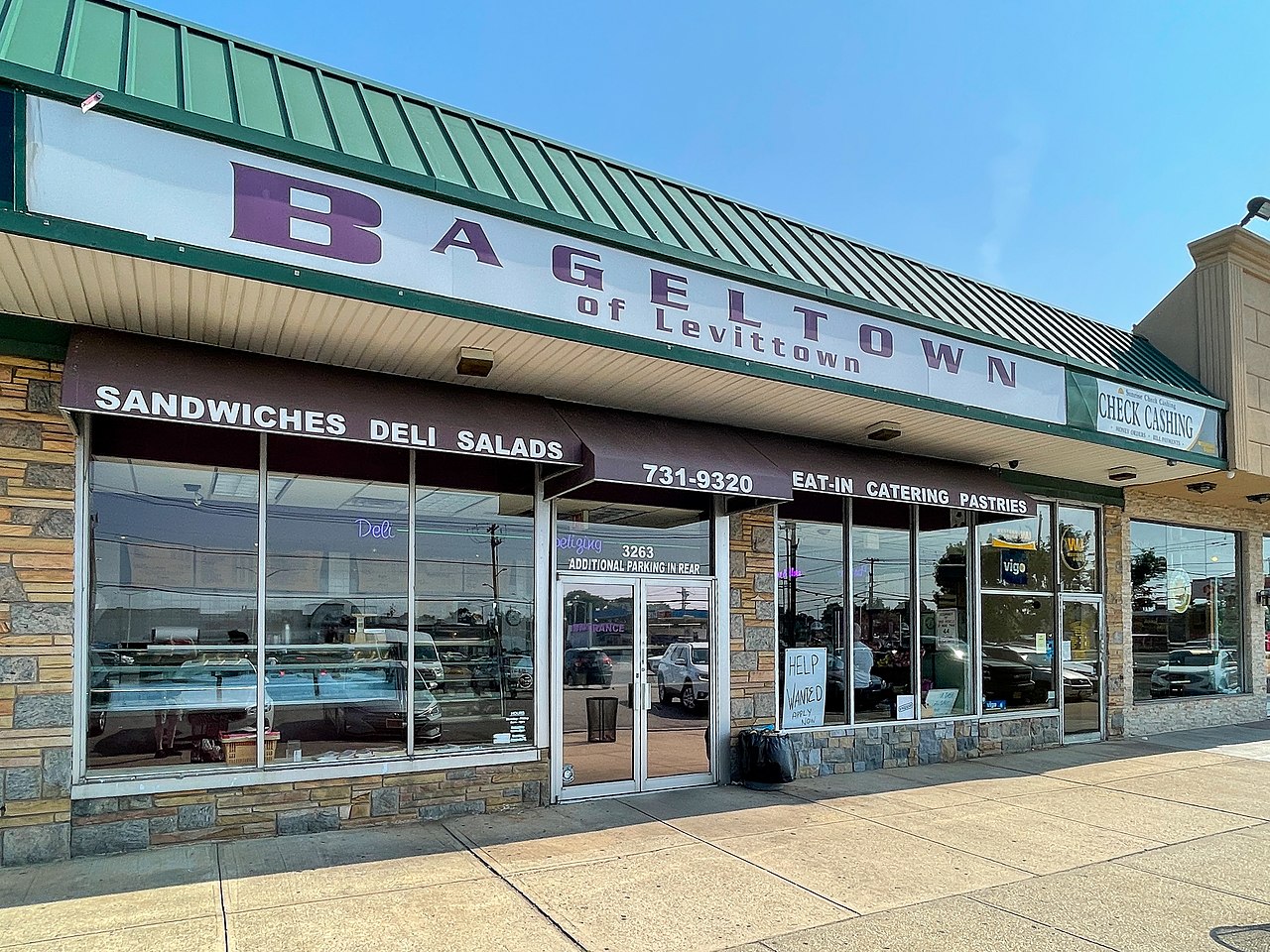
Levittown's early shopping centers were also designed as part of the planned community concept, intended to put everyday retail within a short distance of the surrounding residential sections. While many of these commercial areas have been updated and re-tenanted over the years, their layout and placement still reflect the original town planning, with clusters of stores positioned along the same corridors as the housing tracts around them. These areas are a reasonable place to combine landmark viewing with a stop for food; the Where to Eat in Levittown guide covers the range of dining options found throughout the town.
How the Landmarks Cluster
Most of Levittown's notable sites fall into two loose clusters. The first centers on the Hempstead Turnpike and Wantagh Avenue intersection, where the Tri-Section Clock and nearby commercial strip make a natural starting or ending point for a visit. The second is spread through the surrounding residential grid, where the original housing sections, neighborhood pools, and the Levittown Historical Society sit within a few miles of one another but require some walking or a short drive to connect, since the town's layout favors curving residential streets over a dense walkable grid. Visitors without a car should expect to rely on local buses or rideshare between clusters, and should check current fare and payment options directly with the local transit provider before planning a route around them.
Combining Landmarks Into a Walk
A practical approach is to begin at Four Corners to see the Tri-Section Clock, then walk or drive a short loop through one of the adjacent original residential sections to take in the housing architecture, before continuing to the Levittown Historical Society for historical context. From there, a stop at one of the town's shopping areas works well for a meal or coffee break. This sequence keeps travel distances manageable while covering the landmarks most closely tied to the town's identity as a planned community. For a more structured plan, the Levittown 1-Day Itinerary lays out a full day around these and other stops, while the Levittown 3-Day Itinerary offers a slower pace for visitors who want to explore the surrounding area as well.
Planning Your Visit
Because Levittown's landmarks are largely residential and low-key compared to those of a major city, timing and weather matter more here than at ticketed attractions. The Best Time to Visit Levittown page covers seasonal considerations worth factoring into a trip. For additional context on getting around, dining, and other common questions, the Levittown FAQ and the broader Best Things To Do in Levittown guide round out the planning picture. Together, these landmarks make Levittown a worthwhile stop for anyone interested in the physical history of American suburban development, even without the large-scale monuments found in bigger nearby cities.