Top Landmarks in Hyattsville
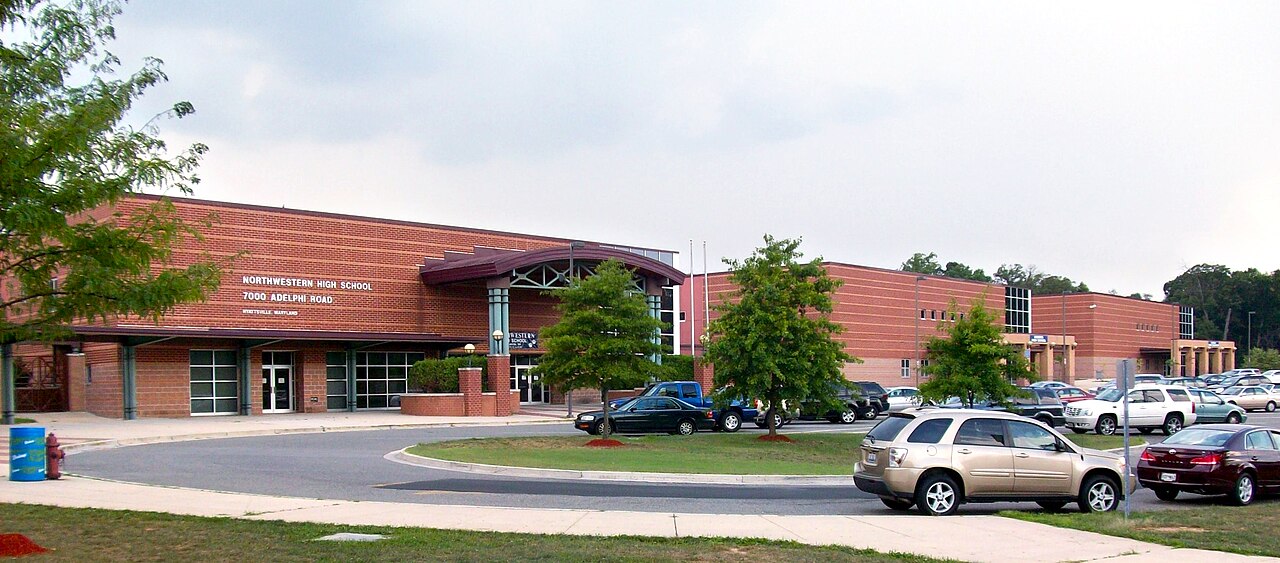
Hyattsville, Maryland sits just a few miles northeast of Washington, D.C., placing it squarely among the closer inner-ring suburbs to the nation's capital. With a population of around 20,861 and a median age of 35.2, the city draws a mix of longtime families, younger residents, and creative professionals who've made the area home over successive decades. The result is a city where civic architecture, outdoor green space, and a growing arts presence share the same relatively compact set of streets — and where the main landmarks cluster close enough together to explore on foot in a single outing.
This guide focuses on the landmarks most commonly associated with Hyattsville: the places that tend to show up on visitors' lists, draw day-trippers from the broader D.C. metro area, and give the city its particular character. If you're assembling a full day around these stops, the Hyattsville 1-Day Itinerary lays out a practical route that connects many of them.
The Route 1 Arts District Corridor
The stretch of Route 1 running through Hyattsville — known along much of its length here as Baltimore Avenue — is where the city's identity as an arts community is most visible. Hyattsville established an arts overlay zone along this corridor specifically to attract and sustain creative businesses, and what's taken shape over time is a walkable strip of galleries, studios, public murals, and independent storefronts that gives the street a character distinct from a standard suburban commercial road.
The large-scale murals painted on building exteriors are among the most photographed features along the corridor. Several works are visible directly from the sidewalk, and new pieces appear periodically as the city continues to invite artists to contribute. The experience is outdoor and accessible by nature — no admission, no reservation required. The art changes slowly enough that the major pieces are reliably present whenever you visit, but it's worth checking the City of Hyattsville's official communications for any current installations or programming tied to the district.
The arts corridor in Hyattsville is also part of a broader regional designation sometimes called the Gateway Arts District, which extends through neighboring communities including Mount Rainier and Brentwood along the same Route 1 alignment. Hyattsville's section stands well on its own as a destination, but visitors interested in a longer walk can continue into adjacent areas along the same thoroughfare.

The Hyattsville Historic District
The Hyattsville Historic District carries a listing on the National Register of Historic Places, covering a significant portion of the city's original downtown area, primarily along Baltimore Avenue. The district encompasses commercial buildings and residential structures dating to the late 19th and early 20th centuries — a physical record of the period when Hyattsville developed as a streetcar suburb of Washington, D.C., attracting residents who wanted proximity to the capital without living inside it.
Walking through the historic district gives a clear sense of that original urban grain: modest storefronts with flat brick facades, occasional decorative cornices, and residential side streets where older homes are set close to the sidewalk and to each other. The scale is human-sized in a way that newer commercial strips rarely achieve, and that compactness is part of what makes it worth the walk.
Most of what gives this district its significance is visible from the street — no formal tour is necessary to read the architecture. That said, local historical organizations periodically offer walking tours and programming tied to the district. Checking the city's website or local preservation groups ahead of your visit will surface any scheduled events.
Magruder Park
Magruder Park is one of Hyattsville's main outdoor gathering spaces — a city-owned park that functions both as a neighborhood amenity and as a venue for community events throughout the calendar year. The park includes open lawn areas, athletic facilities, and enough tree cover to make it a practical stop on warmer afternoons when the Route 1 corridor is fully exposed to the sun.
Named for a historically prominent local family, the park has been part of Hyattsville's civic landscape for decades. It sits within reasonable walking distance of the Route 1 corridor, making it a natural complement to time spent in the arts district or historic downtown. Weekends typically bring out a range of recreational use — pickup sports, family gatherings, and informal community activity that gives the park a lively feel.
There's no admission to enter Magruder Park. Hours and specific facility availability can shift seasonally, so checking the City of Hyattsville's parks and recreation page before a visit is a good habit — particularly if your plans depend on a specific amenity or event space within the park.
Hyattsville City Hall
Hyattsville City Hall, located on Gallatin Street, is a civic landmark in the most straightforward sense: it's the seat of local government, a recognizable building in the city's institutional core, and a useful orienting point for anyone navigating downtown Hyattsville. The building reflects the kind of mid-20th-century municipal architecture common to Maryland communities of a similar era and scale.
Beyond its administrative function, City Hall is where public meetings, local hearings, and some community events take place. Visitors interested in understanding how Hyattsville runs as a city — its planning decisions, its public spaces, its ongoing projects — will find this block a natural starting point. The surrounding streets include other municipal and community facilities that reinforce the neighborhood's role as the city's administrative core.
How the Landmarks Connect
One of the more practical things about Hyattsville's main landmarks is how tightly they cluster. The Route 1 corridor — which carries both the Arts District murals and most of the Historic District streetscape — functions as the central spine. Magruder Park is reachable from this corridor without a car, and City Hall sits close enough to be folded into the same afternoon without significant backtracking.
The city is served by Metro stations accessible via the regional rail system, with contactless tap-to-pay as the standard boarding method. Check WMATA's official site for current fare information before you travel. Once in Hyattsville, the walkability of the core area means a car is rarely necessary to move between landmarks — the distances are short and the pedestrian environment along Route 1 has improved as the arts district has matured.
For visitors looking to extend beyond Hyattsville's own landmarks, the city sits within a short drive or transit ride of several National Park Service sites in the broader Prince George's County region. The area has a notably dense concentration of NPS-managed lands, and some of the closest ones can be worked into a longer visit. The Hyattsville 3-Day Itinerary includes suggestions for reaching those sites from the city.
Practical Notes for Visitors
The landmarks described here are all approachable without advance reservations, though events at Magruder Park or City Hall may follow schedules worth checking ahead of time. Parking along Route 1 includes on-street spaces and some lots, but availability varies at busier times — arriving by Metro and walking is a consistently reliable alternative.
Most visitors cover Hyattsville's core landmarks in a half-day to full day depending on pace. The Hyattsville 1-Day Itinerary offers a structured version of that route. For eating near the landmarks, the Route 1 corridor has a wide range of restaurants reflecting the city's demographic diversity; the Where to Eat in Hyattsville guide covers the broader dining scene without you having to guess what's nearby.
Timing matters for the outdoor elements — the murals, the historic streetscape, and Magruder Park are all best experienced in reasonable weather. The Best Time to Visit Hyattsville breaks down seasonal considerations if you're planning ahead. And as with any urban area, standard awareness of your surroundings is appropriate; the core landmark areas see steady foot traffic during daytime hours.
Whether this is your first trip to Hyattsville or a return visit with more time to look closely, the city's landmarks are compact enough to explore without a demanding schedule. The Hyattsville Travel Guide: Things to Do, Landmarks, Food, and Itineraries is a good place to start if you're still putting a trip together and want a broader overview of what the city offers.