Hoboken 1-Day Itinerary
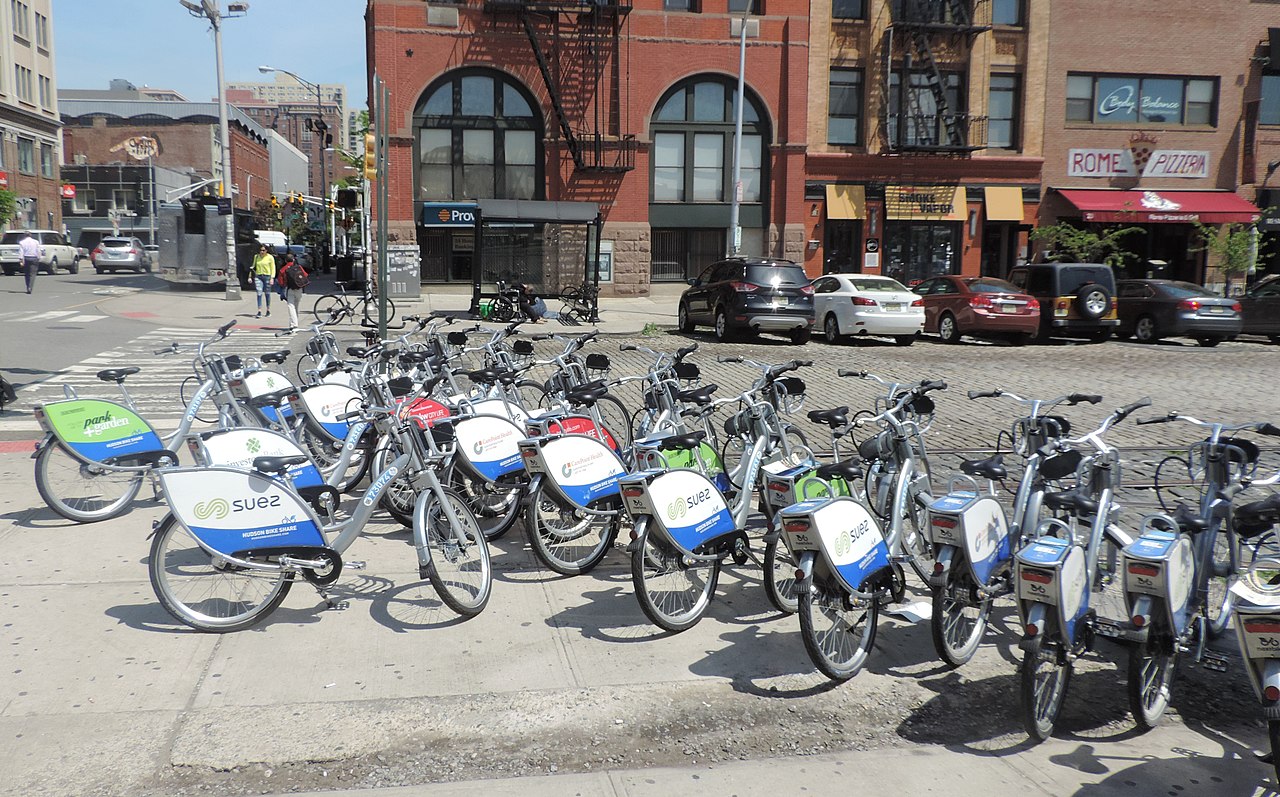
Hoboken is compact enough to cover on foot in a single day, which makes it a practical option for visitors staying in New York City who want a change of pace or for anyone routing through New Jersey on a tight schedule. The city sits directly across the Hudson River from Manhattan, and its grid layout, mile-plus waterfront path, and walkable downtown mean you can move through most of the highlights without much backtracking. This itinerary lays out a morning, afternoon, and evening sequence with approximate timing, notes on getting between stops, and a backup plan in case of rain. For a longer stay, see the Hoboken 3-Day Itinerary, and for background on when to schedule your trip, check Best Time to Visit Hoboken.
Getting Oriented
Most visitors arrive by train or ferry, both of which drop you near the Hoboken Terminal on the southeast edge of downtown. From there, the city unfolds in a fairly logical pattern: the waterfront runs along the eastern edge facing Manhattan, Washington Street forms the main commercial spine running north-south, and the residential blocks fan out to the west toward the base of the Palisades. Because the city is only about a mile long, you can walk nearly anywhere in 15 to 20 minutes, and local buses and the light rail line cover the rest. Tap-to-pay is widely accepted on regional transit, so a physical fare card usually isn't necessary, though it's worth confirming current payment options on the transit agency's site before you go.

Morning: Waterfront and Landmarks
Start near the Hoboken Terminal, an easy anchor point if you're arriving by train or ferry. The terminal building itself is worth a slow look, since its ferry shed and clock tower are among the more recognizable pieces of the city's early-20th-century architecture. From here, head north along the Hudson River Waterfront Walkway, a paved path that hugs the water and offers a straightforward view across to Manhattan's skyline. This stretch is popular with runners and cyclists in the morning, so stay aware of foot and bike traffic as you walk.
Continue along the water to Pier A Park, a green space that functions as a natural rest point and a good spot to get oriented before heading inland. From the park, it's a short walk into downtown to pick up coffee and a pastry, since the blocks around Washington Street have a steady concentration of cafes. Budget roughly two to two and a half hours for this waterfront-and-coffee segment, including photo stops.
For a fuller list of landmark options beyond this route, see Top Landmarks in Hoboken, which covers additional historic and architectural stops if you want to extend the morning.
Midday: Washington Street and Downtown
By late morning, shift over to Washington Street, the main commercial corridor running the length of the city. This is the natural spot for an early lunch, with a range of casual and sit-down restaurants clustered within a few blocks. Rather than aiming for a single specific address, it's worth browsing a block or two, since the corridor has enough density that you can decide once you see what looks appealing. For a broader overview of the local food scene, including how it's organized by cuisine and price range, see Where to Eat in Hoboken.
After lunch, use the early afternoon to explore the side streets branching off Washington Street. These blocks are lined with brownstones and low-rise apartment buildings that reflect the city's residential character, and they're a reasonable way to get a sense of daily life in Hoboken beyond the main commercial strip. If you're interested in a wider set of activities, cross-reference this stretch of the day with Best Things To Do in Hoboken, which lists additional options such as small museums, shops, and seasonal markets that may fit into a looser schedule.
Walking between the waterfront, Washington Street, and the surrounding blocks is straightforward and typically doesn't require transit, though the light rail line running along the western edge of downtown is a convenient option if you'd rather skip a longer walk back toward the terminal later.
Afternoon: Parks and a Slower Pace
Mid-afternoon is a reasonable time to slow down. Head to one of the city's smaller parks, such as those along the northern waterfront, for a break before the evening. This is also a good window to reconsider the day's pace: Hoboken's small footprint means it's easy to underestimate how much walking adds up, so a 30- to 45-minute sit-down break helps keep the rest of the itinerary comfortable.
If you have energy left, this is also a good time to walk toward the northern or southern ends of the waterfront path that you may not have covered in the morning, since the full walkway extends well beyond the central stretch near the terminal.
Evening: Dinner and Skyline Views
As evening approaches, make your way back toward the waterfront for dinner with a Manhattan skyline view, since several restaurants along the water are positioned for that outlook. Alternatively, stay on Washington Street if you'd prefer a livelier, more urban dinner setting with a wider range of cuisines within walking distance. Either direction works logistically, since both are within a comfortable walk of the terminal for anyone catching a train or ferry back to New York City afterward.
After dinner, a final walk along the water is a low-effort way to close out the day, particularly since the skyline views tend to be more distinct after dark. If you're staying overnight in Hoboken rather than heading back into the city, this is also a natural point to wind down in one of the bars or lounges along Washington Street.
Backup Plan for Bad Weather
If rain or extreme heat disrupts the walking-heavy structure of this itinerary, shift the focus indoors. Several cafes and restaurants along Washington Street offer a reasonable place to wait out a storm, and the city's small museums and shops, noted in the Best Things To Do in Hoboken guide, provide indoor alternatives to the waterfront walk. The light rail and bus network also make it easy to shorten walking segments on a day when covering ground on foot isn't practical.
Practical Notes
This itinerary assumes a full day, roughly nine or ten hours from morning coffee to evening dinner, though it can be compressed if you're working with less time or expanded if you'd rather move at a slower pace. Because Hoboken is dense and walkable, ordinary urban awareness, such as watching for bike and scooter traffic on the waterfront path and being mindful of belongings in crowded areas near the terminal, is generally sufficient. For questions about logistics, transit, or timing that go beyond this route, the Hoboken FAQ and the main Hoboken Travel Guide: Things to Do, Landmarks, Food, and Itineraries cover additional planning details worth reviewing before your trip.