Best Things To Do in East Orange

East Orange sits at a crossroads in Essex County, New Jersey — close enough to Newark and New York City to draw on a metropolitan range of culture and transit, yet distinct in character and pace. With a population of around 69,000 and a dense grid of residential streets, commercial corridors, and public green spaces, East Orange rewards visitors who take the time to explore it on its own terms. This guide breaks down the best things to do in East Orange by interest, so you can build a visit around what matters most to you. If you want a structured day or multi-day plan, see the East Orange 1-Day Itinerary and East Orange 3-Day Itinerary.
Parks and Outdoor Spaces
East Orange has a workable network of neighborhood parks that serve as social anchors for different parts of the city. Carteret Park is one of the more well-known green spaces in East Orange, offering open lawns and a community-oriented setting that draws local families and casual visitors alike. It's the kind of park that gives you a genuine sense of the city rather than a curated tourist experience.
Just beyond the city limits, Branch Brook Park in Essex County is one of the most popular outdoor destinations for anyone based in East Orange. Widely regarded as the first county park in the United States, according to the Essex County park system, it is known across the region for its spring cherry blossom display — one of the largest concentrations of Japanese flowering cherry trees in the country. The park's winding paths, open meadows, and recreational facilities make it worth a visit in any season, not just spring. From East Orange, it's easily reachable by car or by taking advantage of the area's transit connections.
South Mountain Reservation, a large Essex County park spanning several nearby municipalities, is another natural escape within reasonable reach. Wooded trails, elevation changes, and wildlife sightings make it a solid option for anyone who wants more than a neighborhood stroll. Check the Essex County park system's official site for current trail conditions and any seasonal programming before you go.
For those who prefer their outdoor time blended with a little urban energy, East Orange's main commercial streets offer their own form of walkability — fruit stands, neighborhood cafés, and the kind of low-key foot traffic that makes a city feel lived-in.
Historic Architecture and Neighborhoods
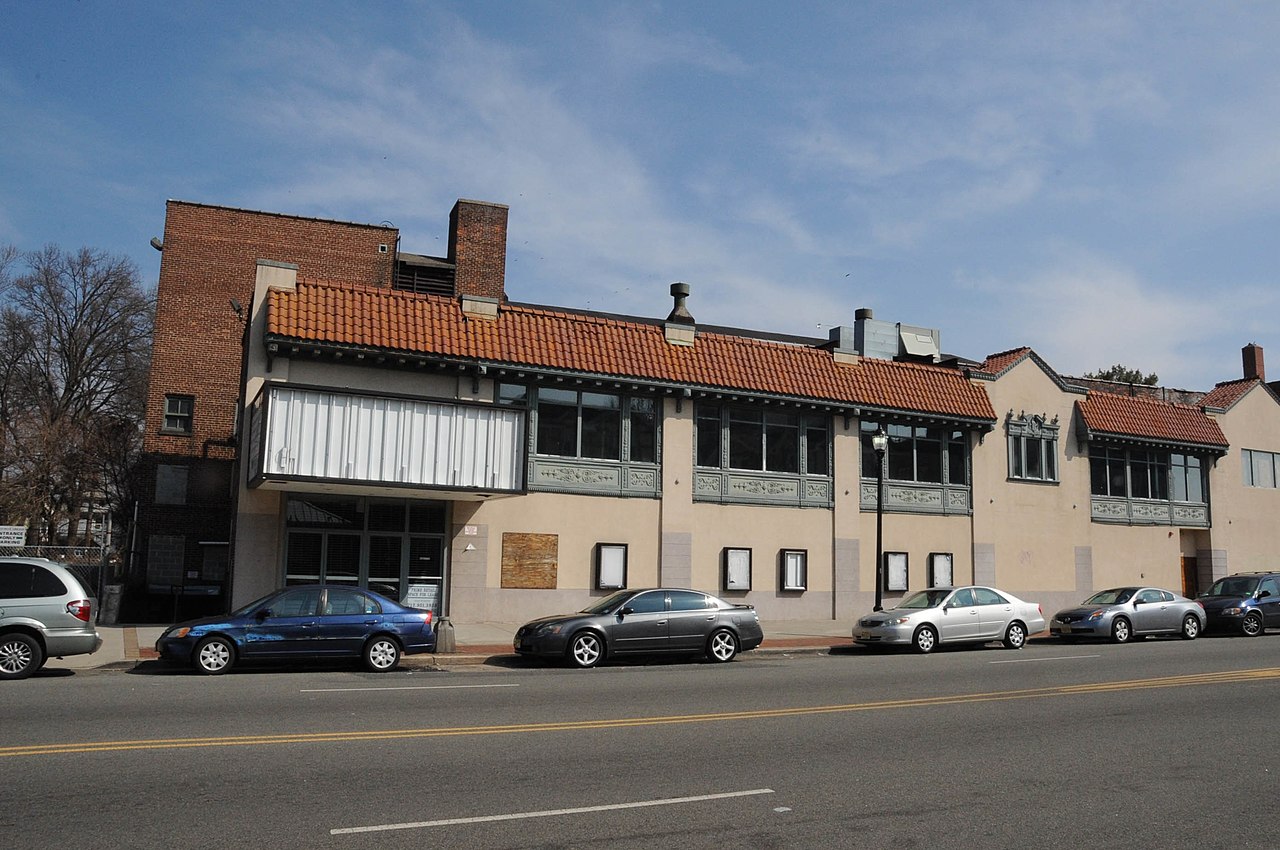
One of the most accessible and free things to do in East Orange is simply walk its older residential blocks. The city developed rapidly in the late nineteenth and early twentieth centuries as a suburb for Newark commuters, and that era left behind a significant stock of Victorian, Queen Anne, and Colonial Revival homes. Streets in some of the older neighborhoods read like an architecture catalog from that period — varied rooflines, decorative woodwork, front porches, and bay windows that have survived decades of change.
East Orange's architectural character is not uniform — the city spans multiple distinct neighborhoods with their own rhythms — but the residential grid generally rewards anyone with an interest in American domestic architecture from the 1880s through the 1920s. For a broader look at the city's notable sites, the Top Landmarks in East Orange page covers standout locations in more detail.
Cultural Attractions and Nearby Sites
East Orange has a growing arts and cultural presence, anchored in part by the city's diverse population and its proximity to the broader Newark arts scene. Community events, local gallery openings, and performing arts programming cycle through the city throughout the year. Check local community boards and the city's official channels for current listings, since schedules shift seasonally.
The proximity to Newark opens up a wider cultural range — the New Jersey Performing Arts Center, the Newark Museum of Art, and the city's Ironbound neighborhood are all a short drive or bus ride away, making East Orange a practical base for a culturally full trip.
Thomas Edison National Historical Park (Day Trip)
One of the most significant historic sites within easy reach of East Orange is Thomas Edison National Historical Park in neighboring West Orange. This is a National Park Service site that includes Edison's laboratory complex and his home, Glenmont. The site provides a detailed look at Edison's working life and the industrial processes behind some of the most consequential inventions of the modern era. Check the official National Park Service website for current hours, admission information, and any guided tour schedules before visiting — details change periodically. The park is a short drive from East Orange and well worth including in a multi-day itinerary.
The broader area around East Orange has ties to the NPS network more generally, with dozens of sites within the regional orbit. For trip planning purposes, the NPS official site is the most reliable current resource.
Free vs. Ticketed Activities at a Glance
Generally free or low-cost:
- Walking East Orange's historic residential neighborhoods
- Carteret Park and other municipal green spaces
- Branch Brook Park (Essex County; parking fees may apply — check the county site)
- Exploring the city's commercial corridors on foot
Ticketed (verify current pricing and hours with the official site):
- Thomas Edison National Historical Park
- Select performing arts venues in the area
- Essex County nature programming and special events
Dining and Local Food
East Orange has a broad and diverse dining scene, with more than 2,000 restaurants and cafés mapped across the city and immediate surrounding area. Cuisines from the Caribbean, West Africa, Latin America, and elsewhere are all well-represented, reflecting the city's demographic makeup. Rather than a ranked list, think of East Orange's food scene as something to explore incrementally — walk a commercial stretch, see what looks active and local, and follow your instincts. For a fuller overview, the Where to Eat in East Orange page covers the dining landscape in more depth.
Getting Around East Orange
East Orange is well-served by NJ Transit rail, with station access connecting the city to Newark Penn Station and points beyond, including New York Penn Station. Bus service covers the city's internal grid and links to surrounding communities. For current fares and schedules, check the NJ Transit official site directly; contactless tap-to-pay is widely accepted on trains and buses in the region. If you're driving, street parking is generally available, though availability varies by neighborhood and time of day.
Practical Notes for Visitors
East Orange is an urban environment, and the same everyday awareness you'd bring to any densely populated American city applies here. The city is generally active and pedestrian-friendly along its main corridors, particularly during daytime hours. For the best experience, plan your visit around specific interests — a park walk, an architecture tour, a day trip to Edison's lab — rather than arriving without a loose agenda.
For questions that come up before or during your visit, the East Orange FAQ covers common traveler questions. And if you're still deciding when to go, the Best Time to Visit East Orange page breaks down seasonal considerations.
For a full overview of everything the city offers, start with the East Orange Travel Guide: Things to Do, Landmarks, Food, and Itineraries.