Dundalk 3-Day Itinerary
Dundalk, MD sits along the tidal inlets of the Patapsco River corridor in Baltimore County — close enough to Baltimore City to feel its gravitational pull, but with a character shaped by its own industrial waterfront heritage and close-knit neighborhoods. With a population of around 65,000 and a median age in the upper thirties, this is a community that has reinvented itself more than once. Three days gives you time to take it at a measured pace: exploring the historic shoreline, getting to know the neighborhood streets, and making the most of the outdoor spaces that frame the entire area.
If your schedule only allows one day, see the Dundalk 1-Day Itinerary for a condensed route. For a fuller picture of what the area offers, the Dundalk Travel Guide: Things to Do, Landmarks, Food, and Itineraries is a good starting point before you arrive.
Day 1: War of 1812 Landmarks and the North Point Waterfront
Dundalk's eastern peninsula reaches into the upper Chesapeake Bay watershed, and that geography shaped one of the most consequential events in American history. Begin your first morning with a visit to North Point State Battlefield, where British forces landed in September 1814 before marching toward Baltimore — a campaign that would eventually inspire Francis Scott Key to write what became the national anthem. The battlefield site is managed in partnership with the National Park Service, which operates more than 70 sites in the broader region. Check the official NPS and Maryland state park websites before visiting for current access hours and any seasonal programming, as schedules can shift.
After the battlefield, follow the shoreline south along the North Point peninsula, where Bear Creek and the Back River tidal arms create a patchwork of marshy coves and small boat ramps. The waterfront here is working rather than resort-polished, which gives it an authenticity worth appreciating. The views across the water toward Sparrows Point — where the Bethlehem Steel mill once defined the economic life of the entire region — are a quiet reminder of the industrial scale that once operated here.
For your first afternoon, consider Fort Howard and the park area at the southern tip of the peninsula. The grounds overlook the mouth of the Patapsco River and offer long sightlines toward the bay. This is a good spot to orient yourself geographically before spending the next two days moving through the more inland parts of Dundalk.
Wrap up the day with dinner in one of Dundalk's dining corridors along Merritt Boulevard or Holabird Avenue. The Where to Eat in Dundalk guide covers the local food scene in more depth, but expect a range of casual American, seafood-forward, and carry-out options that reflect the community's working-class roots rather than a restaurant-district aesthetic.

Day 2: Dundalk's Neighborhoods, Community Character, and Local Culture
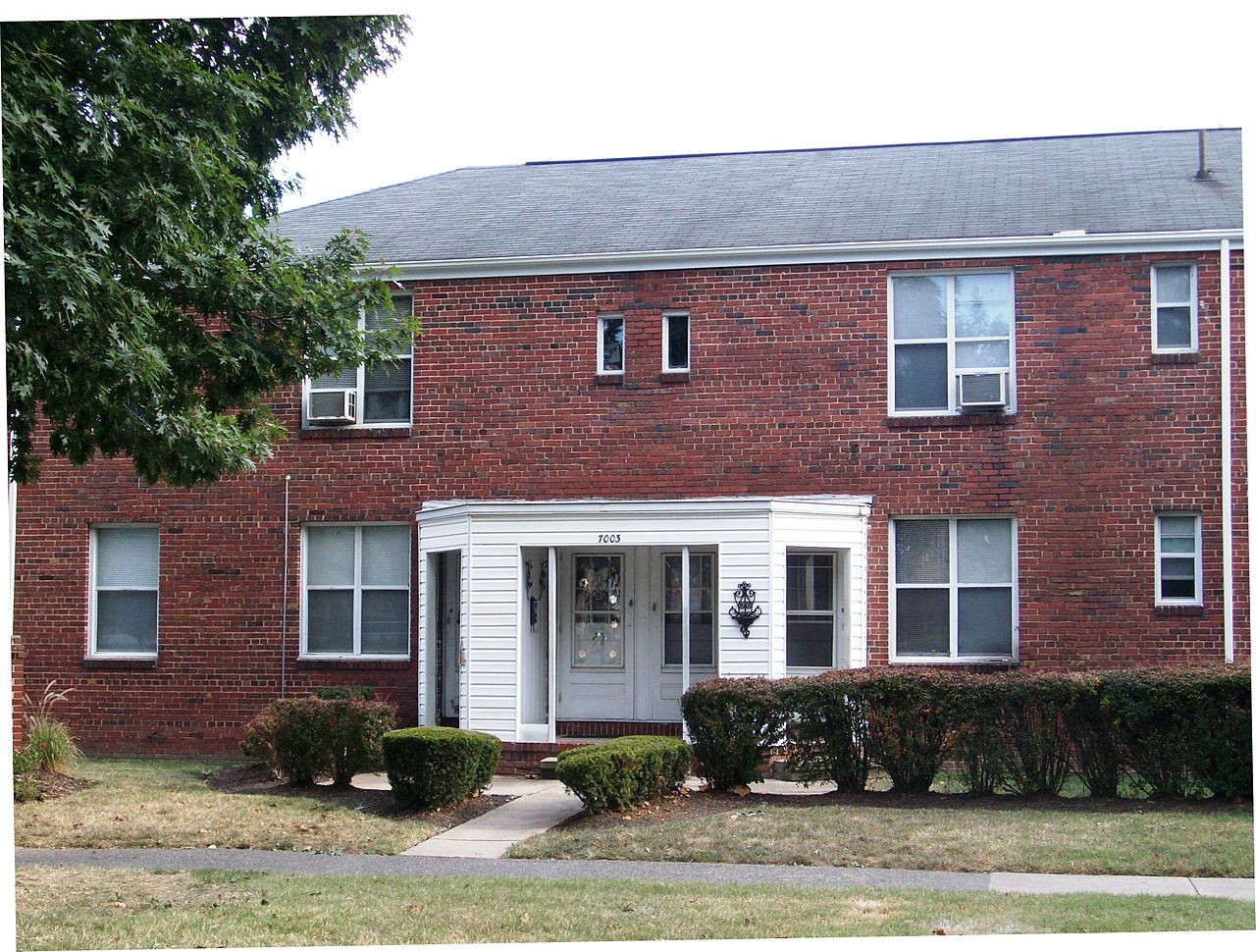
Dundalk developed largely as a company-planned community in the early twentieth century, and traces of that original grid are visible in the tidy residential blocks around Dundalk Village. Start your second morning with a walk through this central neighborhood, where low-slung storefronts, community gathering spots, and longtime local businesses give the area a texture that newer suburban corridors rarely have. The architecture is modest and functional — brick rowhouses, corner stores, front-porch neighborhoods — and that modesty is part of what makes it readable as a real place.
The Dundalk Branch of the Baltimore County Public Library anchors one end of the civic life here and is worth a brief stop, particularly if you want to browse local history collections or pick up a community events calendar for your visit. Community events and seasonal fairs take place in and around Dundalk Village throughout the year; checking local listings before your trip is the best way to time a visit around them.
Midday is a good opportunity to explore some of the area's more than 400 mapped attractions, museums, and historic sites. Dundalk's Catholic and Protestant church buildings — several of which date to the early twentieth century — are worth noting as you walk. The neighborhood also has veterans' posts, civic halls, and small parks that reveal how the community organized itself across generations.
For the afternoon, pick up the walking rhythm in Stansbury Park, a residential-park neighborhood to the west of Dundalk Village. The park itself sits at the confluence of two creek arms and offers a low-key green space appropriate for a mid-afternoon break. From here, you're well-positioned to loop back through the commercial stretches along Dundalk Avenue for an early dinner.
Dundalk has well over a thousand dining options in the broader area — Where to Eat in Dundalk can help narrow things down. This evening is a good moment to try a local seafood spot; Maryland blue crab and steamed shrimp are regional staples that show up on menus throughout Baltimore County.
Day 3: Parks, Patapsco Valley, and a Day-Trip Window
Your third day opens up the outdoor options that give Dundalk much of its recreational draw. Merritt Point Park on Bear Creek is a well-used community waterfront park with boat launches, open lawn space, and access to one of the calmer tidal reaches in the area. It functions as both a neighborhood park and a gateway for anyone bringing kayaks or small boats. Mornings here, before summer heat arrives, are particularly pleasant.
From Dundalk, the Patapsco Valley State Park system is accessible within a short drive — the park follows the Patapsco River corridor across multiple units and offers hiking trails, picnic areas, and some of the more scenic wooded terrain in central Maryland. This is one of the most-visited state parks in Maryland, so checking the Maryland DNR website for parking availability and any reservation requirements before heading out is a sensible move, especially on weekends.
If you want to expand the day-trip radius, the stretch of NPS sites in the greater Baltimore area is considerable — more than 70 are mapped within reasonable driving distance of Dundalk. Fort McHenry National Monument and Historic Shrine, located in Baltimore City roughly fifteen minutes west, is one of the most directly connected to the North Point story you traced on Day 1. Bring the narrative full circle: the British bombardment of Fort McHenry followed the Battle of North Point, and visiting both sites over the course of the trip gives the War of 1812 chapter real geographic weight. Confirm current visitor hours and any entry requirements through the NPS website before visiting.
Back in Dundalk by late afternoon, the waterfront orientation of the entire peninsula makes for a strong closing walk. The tidal light along Bear Creek and the Back River estuary shifts dramatically toward evening, and the industrial silhouette of the Sparrows Point shoreline across the water provides a skyline unlike anything in the tourist-circuit version of Maryland.
Practical Notes for Your Dundalk Visit
Getting around: Dundalk is primarily a driving destination, though local bus service connects it to the broader Baltimore transit network. If you're arriving from Baltimore City, buses run between the two areas; check the MTA Maryland website for current routes and check whether contactless tap-to-pay is accepted on your intended routes. For the waterfront parks and peninsula drives, having a car makes the itinerary significantly easier to execute.
When to visit: Summers are humid and warm, which intensifies the outdoor days but can make midday walks uncomfortable. Spring and early fall offer the most comfortable conditions for the amount of walking this itinerary involves. The Best Time to Visit Dundalk page covers seasonal considerations in more detail.
General awareness: Apply the same street-level awareness you would in any urban-adjacent community. Dundalk's residential neighborhoods are calm and walkable, but like any mid-size community, conditions vary by block. Parking at the waterfront parks can fill quickly on warm weekends.
More to explore: The Best Things To Do in Dundalk and Top Landmarks in Dundalk pages catalog additional options if any of the three days above leave you with time to spare. The Dundalk FAQ addresses common questions about the area. Three days is enough to form a genuine impression of Dundalk — its waterfront, its neighborhood streets, and the particular kind of place it is.