Denver 1-Day Itinerary
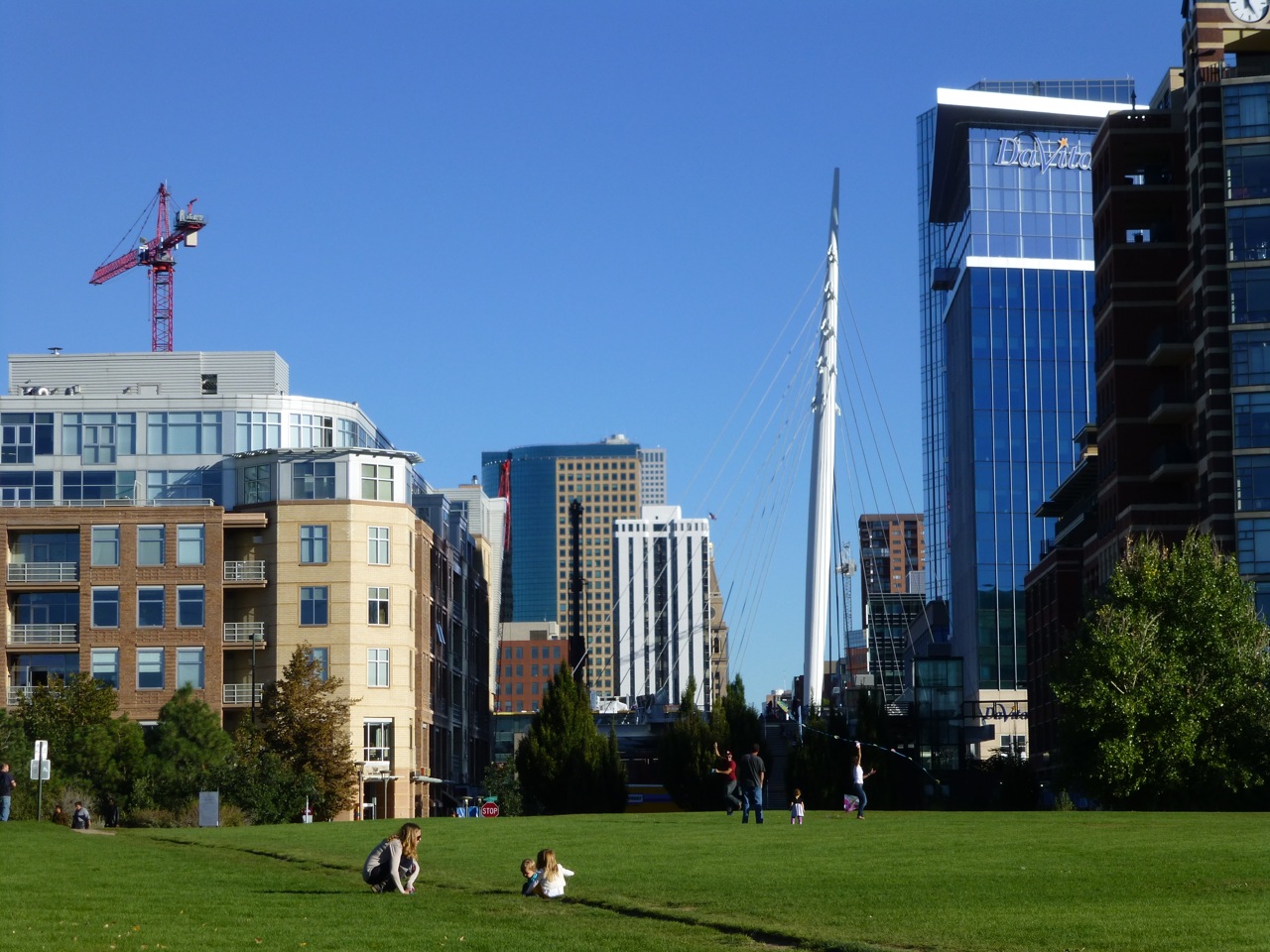
Denver, CO sits at exactly a mile above sea level, a fact that becomes real the moment you step outside — the sunlight is sharper, the air is drier, and the horizon to the west gives way to the Front Range in a way that doesn't quite look like a backdrop so much as a wall. With a population just over 713,000 and a median age of 35, this is a city that leans young and active, with a downtown core compact enough to cover on foot and transit connections that make the rest of the metro reasonably accessible.
If you only have a single day in Denver, the good news is that several of the city's most visited areas cluster within a walkable distance of each other. This itinerary runs morning through evening with a logical geographic flow — starting at the main transit hub, moving through the Civic Center and cultural institutions in the late morning, shifting to a lower-key afternoon, and finishing in one of the city's more active evening neighborhoods. For a wider view of what the city offers, see Best Things To Do in Denver before you plan.
Morning: LoDo and the 16th Street Mall
Begin at Union Station, the main transit anchor in Denver's Lower Downtown neighborhood — LoDo, as it's commonly called. The station is a restored 1914 beaux-arts building that now functions as a social hub as much as a transportation center, with RTD light rail, commuter rail from Denver International Airport, and local bus routes all converging here. If you're flying in and staying downtown, the A Line commuter rail connects the airport directly to Union Station, making it a natural starting point regardless of where you're arriving from.
From Union Station, head east along the 16th Street Mall, a roughly mile-long pedestrian and transit corridor that runs through the heart of downtown. A free shuttle has historically run the full length of the mall — check RTD for current service status, as the corridor has undergone significant reconstruction. At a walking pace, though, the mall itself is worth taking slowly — street-level activity, outdoor seating, and the surrounding architecture give a good first impression of how Denver's downtown is organized.
Before you move on, spend some time in LoDo itself. Larimer Square, one block off the mall, is one of Denver's older preserved commercial blocks and has a more intimate character than the surrounding streets. The neighborhood more broadly has a mix of converted brick warehouses, galleries, and restaurants that rewards slow walking rather than a march from point to point.

Mid-Morning: The Civic Center and Capitol Hill
By mid-morning, make your way south and east along the mall toward the Civic Center area. The Colorado State Capitol anchors this part of downtown — its gold dome is visible from a significant distance, and the steps outside offer a clear sightline back toward the mountains on clear days, which in Denver are frequent. The Capitol grounds are open to the public and worth a brief stop even if you don't go inside.
Just to the west of the Capitol sits the Denver Art Museum, one of the larger art institutions in the Mountain West. Its collection covers a broad range — Indigenous art, modern and contemporary works, architecture and design, and a rotating schedule of temporary exhibitions. Directly adjacent is the Clyfford Still Museum, which holds the most concentrated collection of Still's abstract expressionist paintings anywhere. The two buildings themselves have notable architecture that sets them apart from the surroundings. Check each museum's official site for current hours, admission details, and any exhibitions before you go.
For a more complete overview of what's worth seeing in this part of the city and beyond, the Top Landmarks in Denver page covers major sites with additional context.
Afternoon: Lunch and the Denver Botanic Gardens
For lunch, the stretch of restaurants along East Colfax Avenue and the surrounding Capitol Hill and Congress Park neighborhoods offers a wide range of options. Denver's dining scene has grown considerably and draws from a broad set of culinary traditions — you'll find counter-service spots, sit-down restaurants, and cafes within a few blocks of the Civic Center. For a fuller neighborhood-by-neighborhood breakdown of where to eat, see Where to Eat in Denver.
After lunch, head to the Denver Botanic Gardens in the Congress Park neighborhood, roughly a mile east of the Civic Center. The gardens cover a substantial footprint and include themed garden sections, a conservatory, and plantings that shift noticeably with the seasons — a late-spring visit looks entirely different from a visit in October. Check the official site for current hours and admission before going. RTD buses run along Colfax and nearby corridors and can get you within a few blocks; the RTD website has current route information and fare details. Rideshare is also widely available throughout the city.
The gardens make a natural afternoon pause — they're quieter than the downtown core, and it's easier to slow down once you're inside.
Late Afternoon: City Park
If time allows before dinner, City Park is a short walk or quick ride from the Botanic Gardens. The park offers open lawns, a lake, and one of the more recognizable views of the Denver skyline set against the Front Range. The Denver Museum of Nature and Science sits within the park and is worth noting if you're traveling with younger companions or have a specific interest in natural history — check current hours and admission directly.
City Park tends to be active in the late afternoon, particularly in warmer months, with people running the loop path, picnicking, and moving between the museum and the water. It's a good place to decompress before shifting into evening mode.
Evening: River North Arts District (RiNo)
For the evening, make your way to the River North Arts District, known throughout the city as RiNo. The neighborhood sits northeast of downtown and is reachable by RTD light rail from downtown stations or by a short rideshare. Over the past decade, RiNo has shifted from a largely industrial area to one of Denver's more active evening destinations — repurposed warehouses now house breweries, restaurants, covered market halls, and creative businesses.
The street art throughout RiNo is among the more well-regarded examples in the city, with large-scale murals covering warehouse exteriors across multiple blocks. It's worth walking a few blocks off the main drag to see it.
Dinner options in the neighborhood cover a range of styles, leaning casual but with more variety than the district had several years ago. Weekend evenings tend to draw significant foot traffic, so expect the area to be lively. After dinner, light rail from nearby stops can return you to Union Station or other downtown points, making for a clean close to the day.
Getting Around Denver
Denver's RTD (Regional Transportation District) operates light rail, commuter rail, and local bus service across the metro. The light rail and commuter rail lines connect the airport to Union Station and then radiate to various parts of the city. RTD has supported contactless tap-to-pay at many stations and on vehicles — verify current payment options on the RTD website before travel. Check the RTD website for current routes, schedules, and fare information.
Within downtown, the 16th Street Mall free shuttle handles most east-west movement, and the Civic Center attractions are close enough to each other to walk between comfortably. The distances between LoDo, Capitol Hill, and RiNo add up over a full day — comfortable shoes are a practical necessity rather than a suggestion.
For general urban awareness: Denver's downtown is active and well-traveled, but like any city, it's worth staying alert to your surroundings, keeping an eye on your belongings in crowded areas, and using well-lit streets at night.
Backup Option: Red Rocks Amphitheatre
If no daytime events are scheduled at Red Rocks Amphitheatre — located in the foothills outside the town of Morrison, about 15 miles west of downtown Denver — the site is worth considering as an afternoon detour. The natural sandstone formations that frame the amphitheater are striking on their own, and a trail runs through the surrounding park. You'll need a car or rideshare to get there, as public transit doesn't serve it directly. Check the official Red Rocks site for event schedules and access details before making the trip, since event days significantly affect access.
Planning for More Time
A single day in Denver covers the downtown core and one or two adjacent neighborhoods well. If you have additional time, the Denver 3-Day Itinerary extends the route into neighborhoods farther from downtown and adds options for mountain day trips.
For broader context before you arrive, the Denver Travel Guide covers the city's major categories — landmarks, food, transportation, and practical logistics. If you're deciding when to go, Best Time to Visit Denver covers seasonal weather patterns and when crowds tend to peak. Common questions about visiting the city are collected in the Denver FAQ.
*This article is a general planning reference. Hours, admission, and transit details change regularly — verify current information directly with venues and RTD before your visit.*