Best Things To Do in Davis

Davis, California, is a university town on the edge of the Sacramento Valley, shaped by its bicycle-friendly streets, agricultural surroundings, and a college-age population that keeps the median age noticeably young. With a population of roughly 66,800 (2024 ACS 5-year estimates), the city is compact enough to explore on foot or by bike over a day or two, but it offers enough variety in parks, culture, and neighborhood character to fill a longer visit. This guide groups the main things to do by interest area and notes which activities are typically free to enjoy versus which involve a ticket or program fee, without stating specific prices since those can change. For a broader overview of the city, see the Davis Travel Guide: Things to Do, Landmarks, Food, and Itineraries.
Parks and Outdoor Spaces
Davis's outdoor identity is closely tied to cycling and open green space. The city maintains an extensive network of bike paths and greenbelts connecting neighborhoods, parks, and the University of California, Davis campus, making it possible to explore much of town without a car. Central Park, in the downtown core, hosts a regular farmers market and serves as a gathering spot with shaded seating and walking paths; it's free to visit at any time.
The UC Davis Arboretum and Public Garden stretches along a former channel of the Putah Creek and offers a long, walkable corridor of themed plant collections, small footbridges, and quiet benches. It's a popular option for a slower-paced outdoor visit and is free and open to the public. Nearby, the campus itself has open lawns and gardens worth a stroll, particularly for visitors interested in the university's agricultural research heritage. For those wanting a longer nature outing, the Yolo Bypass Wildlife Area on the edge of town offers trails and seasonal birdwatching, especially during migratory periods; checking current trail conditions on the official site before visiting is worthwhile.
Museums and Culture
Davis has a handful of small, focused museums that reflect its identity as a university and agricultural community. The Hattie Weber Museum of Davis, located in Central Park, covers the city's local history through artifacts and exhibits tied to the area's agricultural and settlement past; checking the official site for current hours is recommended before a visit. The Explorit Science Center is a hands-on science museum aimed at families and younger visitors, with rotating exhibits on science topics. Checking the official sites for current program details and any current pricing is recommended before a visit.
On the UC Davis campus, the Jan Shrem and Maria Manetti Shrem Museum of Art presents rotating exhibitions of contemporary and historical work and is generally a lower-cost or no-cost stop depending on current museum policy, which is worth confirming directly. The campus also has a few specialized collections, including natural history and design-related displays, that appeal to visitors with an academic bent. Culture in Davis leans understated rather than flashy, with an emphasis on education and community programming over large-scale attractions.
Waterfronts and Views
Davis doesn't sit directly on a major river or coastline, but Putah Creek runs along the southern edge of the city and through the Arboretum corridor, giving the town a modest waterfront character. Walking or biking the creekside paths offers a change of pace from the grid of downtown streets, and several small bridges and overlooks along the way make for good rest points. The flat topography of the Sacramento Valley means Davis doesn't offer dramatic elevated views, but open agricultural fields on the city's outskirts provide long sightlines, particularly at sunrise or sunset.
Historic Sites and Landmarks
The Davis area reflects a history rooted in agriculture and the establishment of the university as a farm school in the early twentieth century. Several buildings on the UC Davis campus and in the downtown core reflect this era, and a closer look at specific sites, including preserved structures and markers connected to the city's founding, is covered in more detail on the Top Landmarks in Davis page. Most historic sites in Davis are free to view from the outside, with some offering seasonal or docent-led access that may involve a fee.
Neighborhoods to Wander
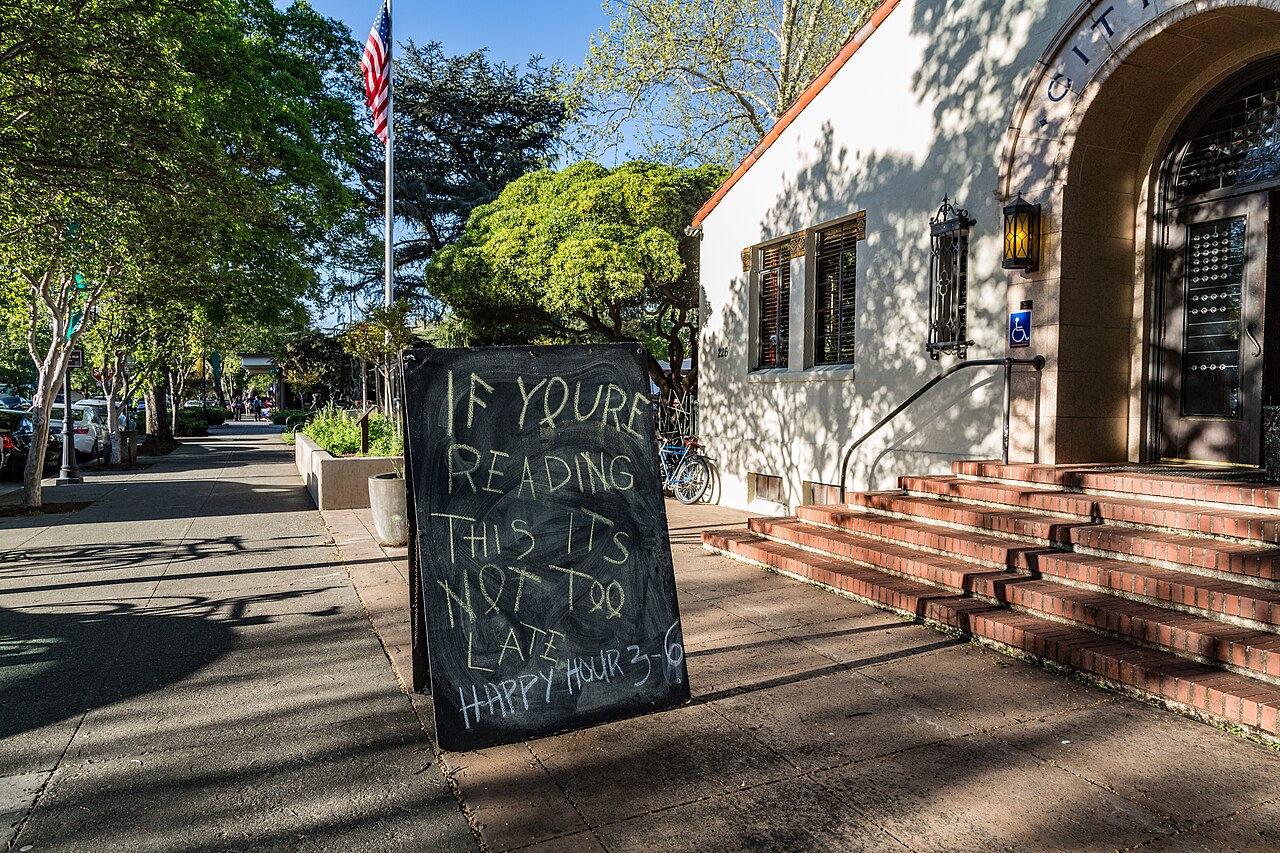
Downtown Davis, centered around G Street and the area near the Amtrak station, is the most walkable district, with a mix of independent shops, cafés, and public art. It connects directly to the campus, so many visitors move between the two without needing transportation. Old East Davis and the neighborhoods bordering the Arboretum have a quieter, residential character with tree-lined streets that reflect the city's reputation as a bicycle-oriented community. Citywide, Davis's median gross rent runs just over $2,000 and median household income is above $87,000 (2024 ACS 5-year estimates), though these figures describe the city as a whole rather than these neighborhoods specifically.
Planning Your Visit
Because Davis is compact, most of these activities can be combined into a single day or spread across a longer stay. For a structured approach, see the Davis 1-Day Itinerary or the more thorough Davis 3-Day Itinerary. Seasonal considerations, including Central Valley heat in summer, are discussed on the Best Time to Visit Davis page. When it comes to transit around town, the city's bus system and bike infrastructure make car-free movement practical; checking official transit sites for current routes and payment options is recommended. As with any city, ordinary urban awareness — being mindful of belongings and surroundings, especially after dark — applies in Davis as it would elsewhere.
For dining options to pair with a day of sightseeing, see Where to Eat in Davis, and for answers to common visitor questions, the Davis FAQ covers additional practical details.