Cupertino 3-Day Itinerary
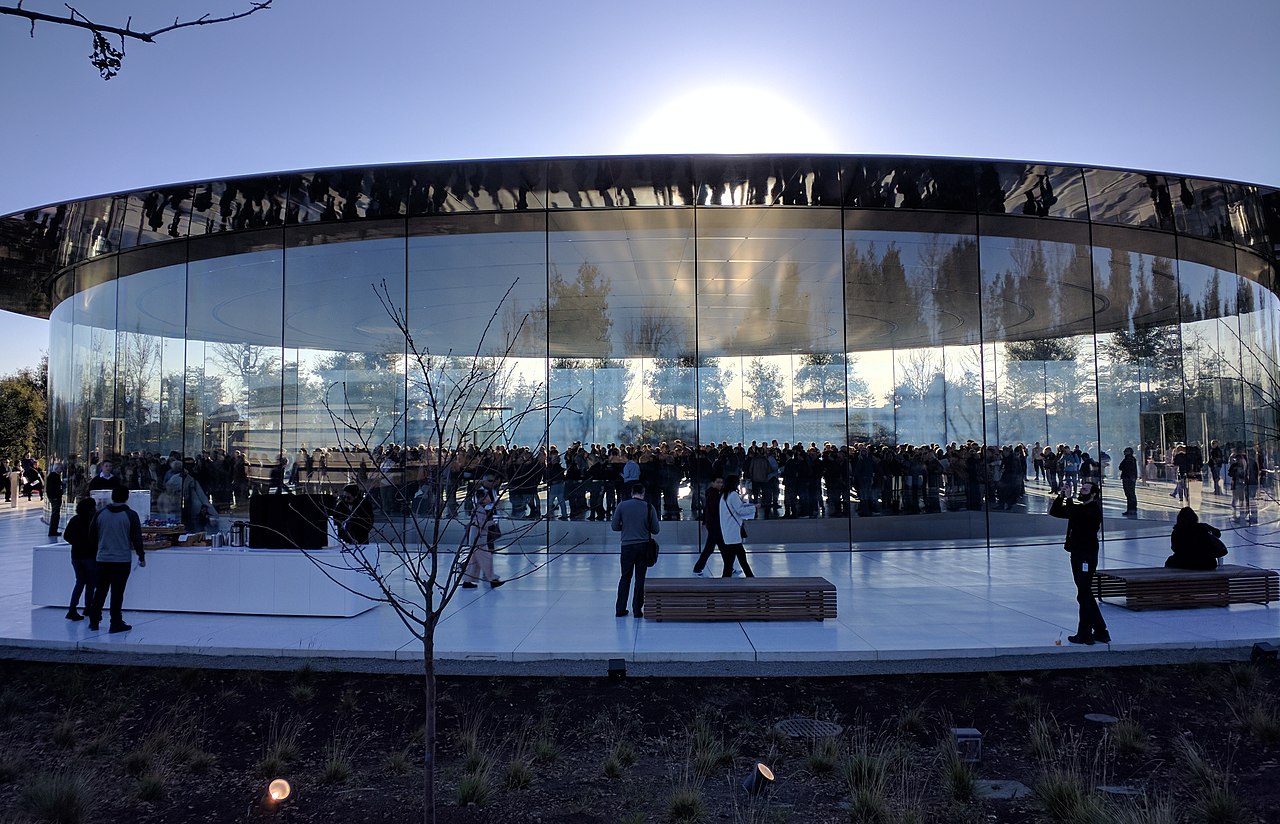
Cupertino is a compact Santa Clara County city best known as the headquarters city of Apple, but a longer stay reveals a broader mix of tech-industry landmarks, longstanding residential neighborhoods, a well-developed Asian food scene, and easy access to open space preserves in the surrounding foothills. This three-day itinerary divides the city into manageable areas — one day for icons and orientation, one for neighborhoods and culture, and one for outdoor space and a short day trip — so visitors with more time than a single afternoon can plan a fuller visit. If you only have a single day available, the Cupertino 1-Day Itinerary condenses the highlights into a tighter loop.
For general orientation before you go, the Cupertino Travel Guide: Things to Do, Landmarks, Food, and Itineraries is a useful starting point, and it's worth checking the Best Time to Visit Cupertino page to plan around seasonal weather and typical crowd patterns.
Day 1: Tech Landmarks and City Orientation
Start the first day in central Cupertino, where the Apple Park visitor area gives newcomers a sense of the company's presence in the city without requiring a full campus tour. The visitor center typically includes a store and an observation deck with views of the ring-shaped headquarters building; because access details and hours can shift, check the official Apple site before visiting rather than relying on secondhand information.
From there, head toward De Anza Boulevard and the De Anza College area, which anchors a good part of Cupertino's civic and educational life. The Cupertino Historical Society and Museum, located within Memorial Park, is a low-key stop for visitors curious about the city's transition from an agricultural, orchard-growing community to a center of the electronics and computing industry. Memorial Park itself is a good midday stop, with open lawn space, a lake, and picnic areas that make it a reasonable lunch break between landmark visits.
Round out the afternoon with a look at the broader landmark list on the Top Landmarks in Cupertino page, which covers additional sites worth working into a first-day loop depending on how much walking or driving you're comfortable with. Many of these landmarks sit within a few miles of each other along major corridors like Stevens Creek Boulevard and De Anza Boulevard, which makes a car or rideshare the most practical way to string them together, though some stretches are walkable if you're staying centrally.
For dinner, Cupertino's restaurant scene reflects its demographics well, with a concentration of Asian cuisines — particularly Chinese, Taiwanese, and Indian — clustered around the Cupertino Village and Vallco-adjacent shopping areas. The Where to Eat in Cupertino guide has a broader rundown of where to find these clusters and what kinds of food each area tends to specialize in.

Day 2: Neighborhoods and Everyday Culture
The second day shifts focus from single landmarks to the residential and commercial neighborhoods that make up daily life in Cupertino. According to 2024 ACS data, the city has a median age in the low forties and household incomes well above the national average. Its neighborhoods include a mix of established single-family areas, newer mixed-use developments, and shopping centers built around a mostly local, commuting population rather than tourism.
Begin near Main Street Cupertino, a mixed-use development with restaurants, shops, and green space that functions as something close to a downtown gathering point for a city that historically hasn't had a traditional central business district. It's a comfortable spot for a slower morning — walking the plaza, browsing shops, and getting a feel for how the city's public and commercial space is organized.
From there, explore the Vallco area and the surrounding Wolfe Road corridor, which has gone through significant redevelopment in recent years and gives a sense of how Cupertino continues to evolve alongside its tech economy. Nearby, the Cupertino Village shopping center is worth a stop for its concentration of Asian grocery stores, bakeries, and restaurants — a good place to understand the city's food culture beyond a single meal.
In the afternoon, consider a drive or walk through some of the city's older residential pockets, including areas near Rancho Rinconada, to see the contrast between mid-century tract housing and newer infill development. This isn't a neighborhood built around sightseeing, so treat it as a chance to observe rather than a checklist of stops — as with any unfamiliar area, follow posted parking and traffic signage and be mindful that these are residential streets.
Cap the day with dinner exploring another cluster from the Where to Eat in Cupertino guide, or pair a meal with a broader look at the Best Things To Do in Cupertino page for additional activity ideas that fit an evening schedule, such as a movie theater or casual entertainment venue.
Day 3: Open Space and a Foothill Day Trip
Cupertino sits at the base of the Santa Cruz Mountains foothills, and its western edge gives fairly direct access to several open space preserves that make for a good change of pace after two days centered on the built environment. Rancho San Antonio County Park and Open Space Preserve, just outside city limits, is a commonly visited option with trails ranging from easy walks to longer climbs, along with a working farm area that's popular with families.
Fremont Older Open Space Preserve is another reasonable choice, known for its ridge-line views back toward the Santa Clara Valley on clear days. Both preserves are managed by Santa Clara County and the Midpeninsula Regional Open Space District rather than the National Park Service, so check the relevant district's website for current trail conditions, seasonal closures, and parking information before heading out, since these details can change.
If you'd rather stay closer to the city, Stevens Creek Trail offers a paved, lower-effort route that connects several parks and neighborhoods, suitable for walking or biking without committing to a full hillside hike.
Use the return drive or walk back into Cupertino as a chance to revisit anything missed earlier in the trip — a landmark from Day 1, a food cluster from Day 2, or a stop pulled from the Best Things To Do in Cupertino page. For lingering logistical questions, from seasonal planning to getting around without a car, the Cupertino FAQ page addresses many of the practical details that come up over a multi-day visit, and the Best Time to Visit Cupertino guide can help you decide when a return trip might make the most sense.