Top Landmarks in Chantilly

Chantilly, Virginia sits in the western reaches of Fairfax County, roughly 26 miles from downtown Washington, D.C. For a census-designated place of around 23,744 residents, it punches well above its weight in terms of landmark draws. The key reason: a cluster of major cultural, historic, and architectural sites sits within a few miles of one another in the corridor around Route 28 and Dulles Airport Road. Whether you have a few hours or a full day, the landmarks here are the kind that reward deliberate visits rather than quick drive-bys.
If you are planning your trip around these sites, the Chantilly 1-Day Itinerary and Chantilly 3-Day Itinerary lay out practical sequences for combining them.
Steven F. Udvar-Hazy Center
No conversation about Chantilly landmarks begins anywhere other than the Steven F. Udvar-Hazy Center, the Smithsonian Institution's companion facility to the National Air and Space Museum on the National Mall in Washington, D.C. Opened in 2003, it was built specifically to house the aircraft, spacecraft, and aviation artifacts too large or numerous to display in the downtown museum.
The scale of the place is genuinely striking. The Boeing Aviation Hangar stretches more than three football fields in length, with aircraft suspended from the ceiling, stacked on multiple levels, and arranged across the floor. Among the most recognized pieces in the collection are the Space Shuttle Discovery — one of NASA's most flown orbiters — and the Lockheed SR-71 Blackbird, the long-range reconnaissance aircraft that still holds airspeed records. The Boeing B-29 Superfortress *Enola Gay*, the aircraft that dropped the first atomic bomb used in warfare, is also on permanent display and draws considerable attention for its historical weight.
Beyond the hangar floor, an observation tower offers views of aircraft arriving and departing Washington Dulles International Airport — a nice pairing with the aviation theme. The James S. McDonnell Space Hangar holds spacecraft and related hardware, including early shuttle training vehicles and satellite systems.
The Udvar-Hazy Center is a Smithsonian museum, so admission policies follow the institution's structure. Check the official Smithsonian website for current details on admission, parking fees, and hours before visiting, as these can change.
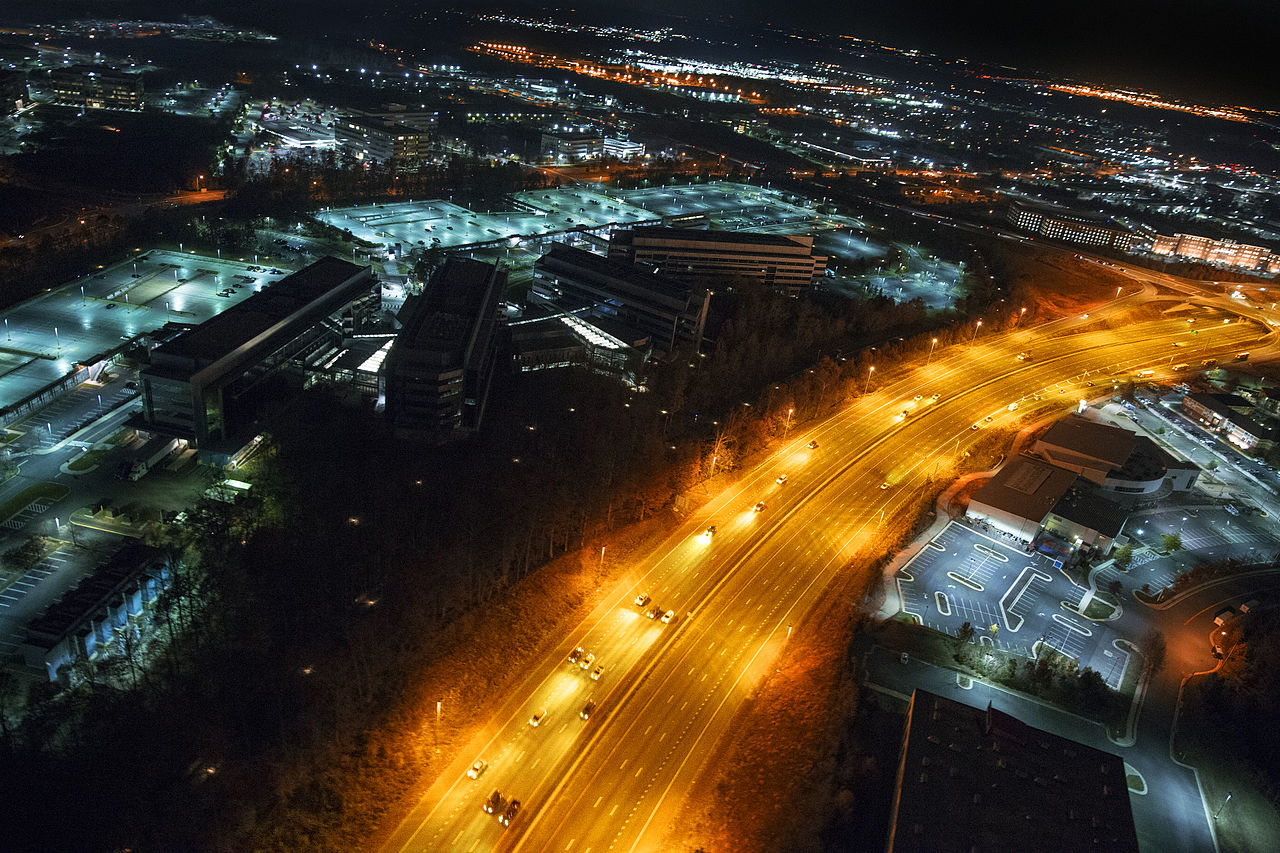
Washington Dulles International Airport — The Main Terminal
Just across the airfield from the Udvar-Hazy Center, the main terminal of Washington Dulles International Airport is worth considering as an architectural landmark in its own right. Finnish-American architect Eero Saarinen designed the terminal, which opened in 1962. The sweeping, cable-suspended roof — curving upward at both ends — was a bold departure from airport design of the era, intended to evoke the sensation of flight.
The terminal is listed on the National Register of Historic Places, and Saarinen's design has been widely studied in architectural circles. The mobile lounges that once ferried passengers across the tarmac were also part of his original concept. Even if you are not catching a flight, the terminal's exterior and main hall are worth a look if you are already in the area for the Udvar-Hazy Center, as the two sites sit less than a mile apart.
Sully Historic Site
A few miles east of the airport on Historic Sully Way, the Sully Historic Site offers a very different kind of landmark experience. The Federal-style plantation house here was built in the 1790s and is associated with Richard Bland Lee, the first congressman from Northern Virginia. It stands as one of the best-preserved examples of late 18th-century domestic architecture in the Northern Virginia region.
Fairfax County Park Authority operates the site. The main house, outbuildings, and grounds give a grounded sense of what the landscape looked like before the suburban and commercial development that now surrounds the area. Seasonal programming and guided tours are offered periodically, though visitors should check the Fairfax County Park Authority's website for current tour availability and any admission details before making the trip.
The site does not take long to walk on its own, which makes it a natural pairing with the Udvar-Hazy Center if you are putting together a half-day or full-day loop through Chantilly. The contrast between the two — one looking forward into aerospace history, the other rooted in colonial-era Virginia — is part of what makes the Chantilly area interesting to explore.
Frying Pan Farm Park
Northwest of the airport corridor, Frying Pan Farm Park on West Ox Road provides a different kind of outdoor landmark. Operated by Fairfax County Park Authority, the park centers on a working farm with livestock, historic farm structures, and open green space. It is a popular spot for families and draws visitors who want a hands-on, outdoor experience away from the more institutional settings of the museum and historic house.
The park includes an equestrian center, seasonal carousel, and the kind of walking paths that make for a comfortable hour or two outdoors. It sits a bit farther from the airport corridor than Sully Historic Site, so it works best as a separate outing rather than a same-day add-on to the Udvar-Hazy Center — unless you have a full day and are moving by car. Check the Fairfax County Park Authority website for carousel hours and any activity fees, as these vary by season.
How the Landmarks Cluster
The geography of Chantilly landmarks makes planning fairly straightforward if you are driving, which most visitors to the area will be. The Udvar-Hazy Center and the Dulles Airport main terminal essentially share a campus — walking distance for visitors who want to take in both. Sully Historic Site is a short drive east on Route 28, making a logical second stop on the same day. Frying Pan Farm Park sits farther northwest and works well as a standalone trip or a morning stop before heading toward the airport corridor.
Public transit options into Chantilly are more limited than in denser parts of the D.C. metro area, though bus connections from the broader regional network do serve parts of the corridor. Check the WMATA and Fairfax Connector websites for current routes and contactless payment options.
For a structured plan on how to sequence these visits, the Chantilly 1-Day Itinerary walks through a practical route. If you have more time, the Chantilly 3-Day Itinerary folds in additional stops across the broader area.
A Note on Dining Near the Landmarks
The Route 28 and Dulles Airport Road corridor has a solid range of dining options — cafés, casual chains, and independently owned spots — so finding somewhere to eat between landmark visits is rarely difficult. The Where to Eat in Chantilly page covers the dining scene in more detail, including areas with higher concentrations of restaurants if you want to plan a meal stop around your landmarks route.
Practical Considerations
Chantilly's landmarks are spread out enough that a car is the most practical way to visit more than one in a day. Parking is generally available at each site, though the Udvar-Hazy Center charges for parking — confirm current rates on the Smithsonian's website before you arrive.
The area is a standard suburban Virginia environment, so ordinary awareness applies: keep valuables out of parked cars, stay oriented in parking lots, and be aware of traffic on the busier roads near the airport.
For a broader picture of what the area offers beyond these landmarks, the Best Things To Do in Chantilly page covers additional outdoor, cultural, and activity options. The Best Time to Visit Chantilly page addresses seasonal factors worth considering before booking a trip, and the Chantilly FAQ answers common logistical questions about the area. The full overview is at the Chantilly Travel Guide: Things to Do, Landmarks, Food, and Itineraries.