Bayonne 3-Day Itinerary
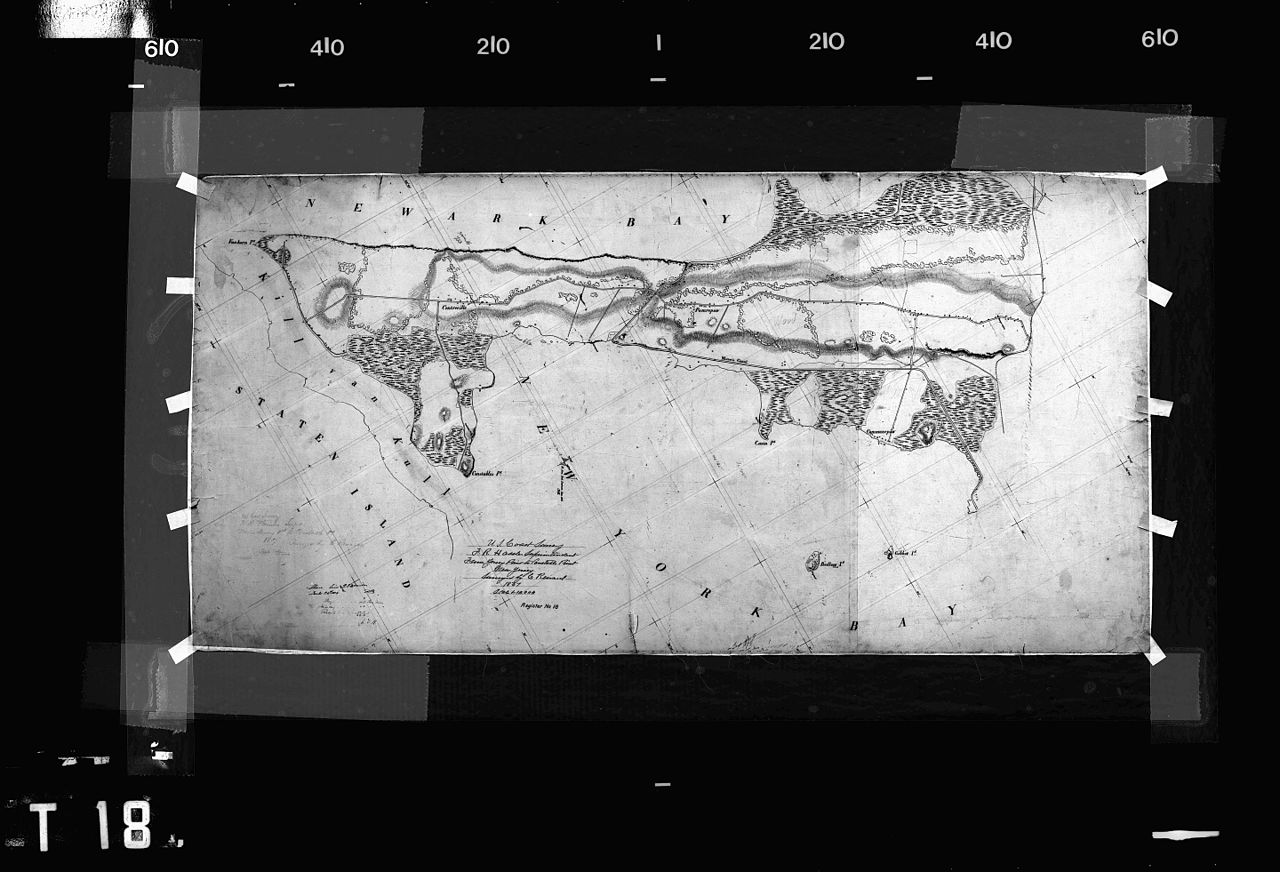
Bayonne, NJ sits on a peninsula between Newark Bay to the west and the Kill Van Kull to the south, putting water on nearly every horizon. With a population of around 70,000 residents and a location that wedges right between New York Harbor and the Jersey waterfront, the city packs a surprising amount of geographic variety into a compact footprint. Three days is enough time to move through it at a relaxed pace — waterfront and landmarks on day one, neighborhoods and culture on day two, and outdoor space plus a day-trip option on day three.
If your schedule only allows a single day, the Bayonne 1-Day Itinerary covers the highlights you won't want to miss. For the full picture of what the city offers, start with the Bayonne Travel Guide: Things to Do, Landmarks, Food, and Itineraries.
Day 1: The Waterfront and the Bridge
Bayonne's most immediately recognizable feature is the Bayonne Bridge, a steel arch span that crosses the Kill Van Kull into Staten Island. It's one of the longest steel arch bridges in the world and was recently raised to accommodate larger container ships — a piece of infrastructure history worth seeing up close. The southern edge of Bayonne along the Kill Van Kull offers views of the bridge and the busy shipping lane below, where tankers and cargo vessels pass throughout the day.
Start your morning along the waterfront near Bergen Point, the southwestern tip of the peninsula. The water views here extend across to Staten Island, and the pace is calm enough to walk without much interruption. A coffee stop along Broadway or one of the side streets near the waterfront area sets you up well before the walk.
From there, work your way toward the bridge approach and the parks clustered near the southern end of town. The Top Landmarks in Bayonne page covers the waterfront sites and historic points in more detail, including the Military Ocean Terminal — a decommissioned Army logistics facility that defined much of Bayonne's 20th-century identity. While the terminal itself is not open for general public access, its presence along the western shore is visible and worth understanding as context for the city's past.
Spend the afternoon along the Newark Bay side of the peninsula, where the water opens up toward Jersey City and the Manhattan skyline appears in the distance. Stephen R. Gregg Hudson County Park, which runs along the bay, offers green space, paths, and a different angle on the waterfront that most visitors skip in favor of the Kill Van Kull side.
For dinner, Broadway has a wide range of options. The Where to Eat in Bayonne page covers the dining scene by neighborhood and cuisine type without recommending specific venues — useful for narrowing down what fits your appetite on any given evening.

Day 2: Broadway, Neighborhoods, and Local Character
Broadway is the spine of Bayonne — a long commercial corridor that runs roughly north-south through the middle of the city. Day two is for slowing down on this street and in the residential blocks that fan out from it.
Start at the northern end of Broadway and walk south over the course of the morning. The architecture shifts as you move through different eras of the city's development — early 20th-century storefronts, mid-century commercial blocks, and newer infill sit side by side in a way that reflects how long Bayonne has been a working-class urban city. City Hall and the surrounding civic core are worth a stop. The building has a presence that reflects the era when Bayonne was a significant industrial center in Hudson County.
Mid-morning is a good time to explore the blocks east of Broadway toward the Kill Van Kull side. The residential streets here are tighter and more densely built, with the kind of neighborhood feel that takes shape over decades rather than years. Median household income in Bayonne runs around $81,000, with a median age of roughly 39 — demographics that reflect a city that has stabilized after decades of post-industrial transition.
For the afternoon, look at what's happening culturally. Check the city's official calendar and the Hudson County arts organization websites for any exhibitions, local events, or programming that might be running during your visit. The Best Things To Do in Bayonne page lists cultural and recreational options that tend to stay consistent across seasons.
The evening is a good time to try a different stretch of the dining scene. Bayonne has a wide range of cuisines represented along and around Broadway, reflecting the city's history as a destination for successive waves of immigration. Portuguese, Latin American, Middle Eastern, and classic American options are all present. Check the Where to Eat in Bayonne page for current neighborhood-by-neighborhood coverage.
Day 3: Green Space and a Day-Trip Option
Day three offers a choice: spend it in Bayonne's parks and quieter corners, or use the city as a launchpad for a nearby day trip.
If you stay in Bayonne: Stephen R. Gregg Hudson County Park deserves a longer visit than the brief pass from Day 1. The park trails along Newark Bay make for a good morning walk, and the open lawn areas are popular with local families on weekends. The northern waterfront, closer to the Hudson County border with Jersey City, also has paths and views that see fewer visitors than the southern tip.
Bayonne also has smaller neighborhood parks and recreational facilities scattered across the grid. These are working parks — built for residents rather than tourists — but they offer a ground-level sense of the city that the main landmarks don't. The Best Things To Do in Bayonne page lists park options and recreational facilities.
If you take a day trip: Bayonne's position near the mouth of New York Harbor puts several significant destinations within reach. Liberty State Park in Jersey City, which sits immediately to the north, provides access to ferry service toward the Statue of Liberty and Ellis Island — both administered by the National Park Service. There are approximately 37 NPS sites within the broader region, and this corridor along the Hudson is one of the most historically significant stretches of the American coastline. Check the NPS website directly for current ferry schedules, access information, and any reservation requirements, as these change seasonally.
The Bayonne Bridge also connects the city directly to Staten Island, where additional parks, the Staten Island Ferry terminal (and its Manhattan connection), and the Staten Island Museum are all accessible by car or bus. Transit connections from Bayonne are primarily bus-based; tap-to-pay on contactless readers is the standard method for boarding, and NJ Transit's website is the best source for current route maps and schedules.
Return to Bayonne for a final evening on Broadway or along the waterfront. Sunset from the Kill Van Kull side, with the bridge overhead and cargo traffic on the water below, is a low-key way to close out time in a city that tends to get overlooked despite its proximity to one of the busiest harbor systems in the country.
Planning Notes
Getting around: Bayonne is walkable in its core, but the peninsula is long enough that some days benefit from a bus ride or short drive between the northern and southern ends. NJ Transit buses serve Broadway and the waterfront areas; check the official NJ Transit site for current routes and schedules. Parking is available but check city signage carefully, as rules vary by block and day.
When to visit: Spring and fall tend to offer the most comfortable conditions for waterfront walking. For a breakdown of seasonal considerations, see the Best Time to Visit Bayonne page.
Common questions: The Bayonne FAQ covers practical questions about the city, including transit options, neighborhood character, and what to expect as a visitor.
Ordinary urban awareness applies throughout Bayonne as it does in any city in the region. Keep an eye on your surroundings, especially after dark in unfamiliar areas, and follow the same common-sense habits you would anywhere in greater New York.