Best Things To Do in Attleboro
Attleboro, Massachusetts sits between Providence and Boston, and its list of activities reflects that in-between position: a compact downtown with a manufacturing past, a network of conservation land that draws hikers and birdwatchers, and a handful of cultural sites that reward an afternoon of unhurried exploring. This guide groups the city's activities by interest — outdoors, museums and culture, waterfronts, historic sites, and neighborhoods — and notes which experiences are typically free to explore versus ticketed, without pinning down specific costs, since those are best confirmed on official sites before a visit.
For a broader overview of the city, including food and lodging context, see the Attleboro Travel Guide: Things to Do, Landmarks, Food, and Itineraries. If you're mapping out a schedule, the Attleboro 1-Day Itinerary and Attleboro 3-Day Itinerary pages build on the categories below into hour-by-hour plans.
Parks, Trails, and Outdoor Space
Attleboro's outdoor appeal centers on a cluster of conservation properties that are free to walk. Attleboro Springs Wildlife Sanctuary, managed by Mass Audubon, is a commonly visited spot for a moderate loop hike, with trails winding past wetlands and mixed forest that make it popular with birdwatchers in spring and fall. Nearby, Bungay Jungle offers another set of wooded trails along the Bungay River, and it's a reasonable pick for a shorter walk or a quiet run.
Capron Park, in the heart of the city, functions as both a green space and a destination in its own right. The park includes open lawns, picnic areas, and playgrounds that make it a practical stop for families, and it's directly adjacent to Capron Park Zoo, a small, ticketed zoo that's been part of the city's park system for decades. Because the zoo sits inside a larger public park, visitors can combine a free stroll through the grounds with a paid visit to see the animal exhibits, depending on how much time they want to spend and what they're looking to see.
Woodcock Garden, a smaller municipal green space, rounds out the list of outdoor spots worth considering for a brief break between other stops.

Museums and Culture
The Attleboro Arts Museum is the city's primary cultural venue, with rotating exhibitions covering regional and contemporary artists along with community art classes and events. Admission is generally ticketed or by suggested donation, so checking the museum's own site before visiting is the most reliable way to plan around current exhibitions and any associated costs.
History-minded visitors may also want to look into the collections connected to Attleboro's jewelry-manufacturing era — the city was a significant center of jewelry and metalwork production for much of its industrial history, and that legacy shows up in local museum displays and in the architecture of former factory buildings downtown. For a fuller rundown of specific sites tied to this history, the Top Landmarks in Attleboro page goes into more detail on individual buildings and markers.
Waterfronts and Scenic Views
Attleboro doesn't sit directly on a major coastline, but the Ten Mile River runs through the city and shapes several of its outdoor and scenic spots, including sections of Capron Park and portions of the Bungay Jungle trail system. Walking or biking paths that trace the riverbanks offer a change of pace from the downtown streets, and they tend to be quieter than the city's more commercial corridors. Because water levels and trail conditions can shift seasonally, it's worth checking current conditions before planning a longer outing, particularly after heavy rain.
Historic Sites
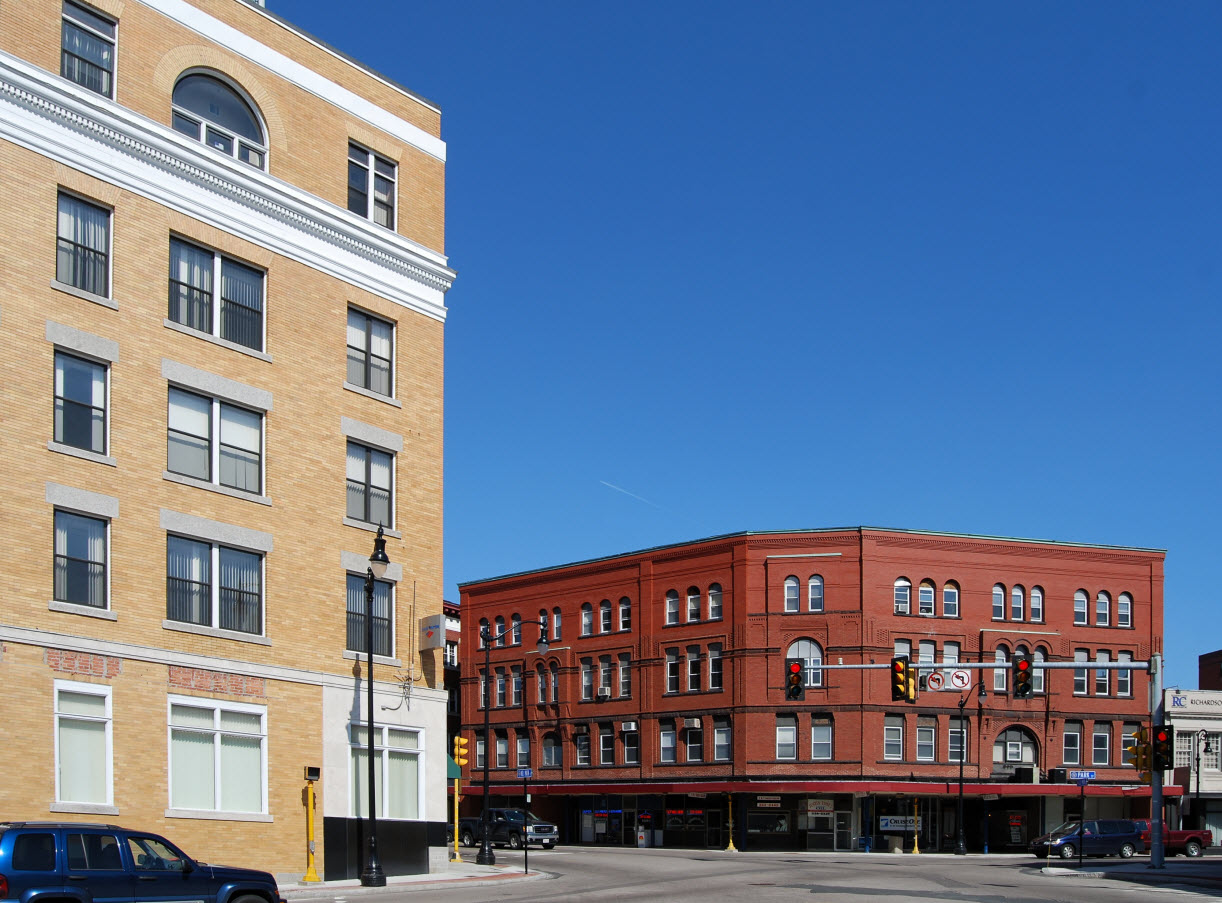
Downtown Attleboro retains a good amount of its late nineteenth- and early twentieth-century commercial architecture, a byproduct of the jewelry industry that once anchored the local economy. Walking through the downtown historic district gives a sense of that period, with former factory and mill buildings that have in many cases been adapted for new uses. The National Shrine of La Salette, a religious shrine and gardens on the city's east side, is another well-known historic and spiritual site, notable for its landscaped grounds and seasonal displays; because hosted events and any related admission details can change, checking the shrine's official site ahead of a visit is the safer approach.
Attleboro's location also puts it within reach of the broader concentration of National Park Service sites in southern New England, an area with numerous historic parks, homes, and monuments connected to the region's colonial and Revolutionary-era history. Travelers interested in that layer of history may want to treat Attleboro as a base for day trips, since exact site names, hours, and fees are best checked directly through the National Park Service.
Neighborhoods to Wander
Downtown Attleboro, centered around Park Street and the surrounding blocks, is the most walkable area for browsing storefronts, independent shops, and the mix of older and newer buildings that make up the city's commercial core. It's also where much of the local dining scene is concentrated; the Where to Eat in Attleboro page covers that in more depth without ranking specific restaurants.
Outside downtown, residential neighborhoods near Capron Park and along the Ten Mile River corridor offer a quieter, tree-lined contrast, useful for visitors who want a sense of everyday life in a mid-sized New England city rather than a purely commercial district. As in most urban and suburban settings, ordinary urban awareness — sticking to well-lit, populated areas after dark and keeping track of belongings — applies here as it would in any similarly sized city.
Planning Around the Seasons
Because outdoor sites like Attleboro Springs and Capron Park change considerably with the seasons, and because indoor venues like the Attleboro Arts Museum rotate exhibitions, timing can affect how much a visit delivers. The Best Time to Visit Attleboro page breaks down seasonal considerations in more detail, and the Attleboro FAQ answers other common planning questions, including how to get around and what to expect from the city day to day.