Ashburn 3-Day Itinerary

Ashburn, Virginia sits in the heart of Loudoun County, roughly 30 miles northwest of Washington, D.C. With a population of around 45,551, it reads on the surface like a well-planned suburban community — and in many ways it is — but spend a few days here and you start to see a place with genuine character: a globally significant tech corridor, a surprising density of trail systems and green space, and easy access to some of the most rewarding day trips in the mid-Atlantic. This three-day itinerary divides Ashburn into manageable themes so you can move through the area without feeling scattered. If you only have one day to work with, the Ashburn 1-Day Itinerary covers the essentials efficiently.
For a broader overview of what the city offers before you arrive, the Ashburn Travel Guide: Things to Do, Landmarks, Food, and Itineraries is a solid starting point.
Day 1: Modern Ashburn — Town Centers, the Tech Corridor & Arrival Orientation
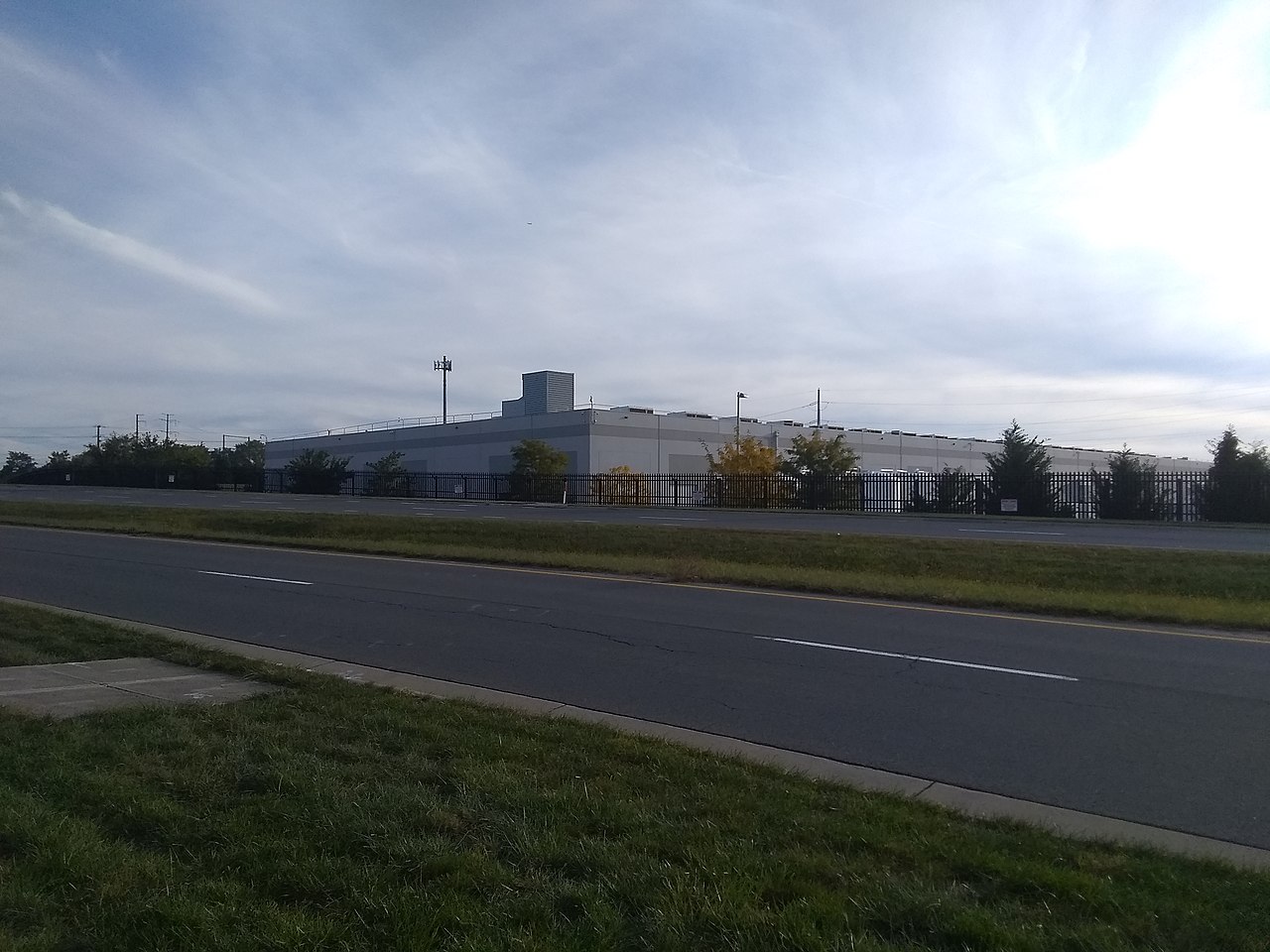
Ashburn is often called the data center capital of the world, and that identity isn't just trivia — it shapes the physical landscape of the city in interesting ways. A significant portion of the world's internet traffic passes through infrastructure located here, and that concentration of tech investment has driven real estate development, dining options, and transit infrastructure in ways that make Ashburn feel more cosmopolitan than a casual glance at its size might suggest.
Morning
Start your first morning by getting oriented around Loudoun Station, the mixed-use development anchored by the Silver Line Metro's Ashburn station. The station opened in 2022 as part of the Silver Line Phase 2 extension, and it brought with it a walkable hub of shops, restaurants, and apartment buildings that didn't exist just a few years ago. If you're arriving from D.C. or Dulles International Airport, the Metro connection makes Loudoun Station a practical and logical first stop. Check the WMATA website for current fare information and service schedules — the system uses contactless tap-to-pay, which works with most bank cards and mobile wallets.
Walk the Loudoun Station streetscape to get your bearings. The neighborhood has a functional, transit-oriented feel that stands apart from the more spread-out sections of Ashburn.
Afternoon
Drive or take a rideshare over to One Loudoun, Ashburn's outdoor lifestyle center along Loudoun County Parkway. One Loudoun is designed around a walkable main street concept, with a plaza that hosts community events through much of the year. It's a useful reference point for understanding how Ashburn has built public-facing amenity into what is otherwise a suburban grid. Grab lunch from one of the many restaurants clustered here — the options range from casual to sit-down, and the Where to Eat in Ashburn page has a broader breakdown of the dining landscape across the city. With roughly 895 mapped restaurants and cafes in the area, Ashburn's food options significantly outpace what you'd expect from a city this size.
After lunch, spend some time driving the Route 7 corridor and surrounding tech campus roads if that context interests you — the scale of the data center footprint is something you have to see to fully appreciate.
Evening
Return to One Loudoun or the Loudoun Station area for dinner. Both clusters offer enough variety that you can pick based on mood. If you're planning ahead, check the Best Time to Visit Ashburn page to understand how seasonal factors might affect outdoor dining and evening walkability during your trip.
Day 2: Trails, Parks & Local Character
Ashburn's green infrastructure is one of its most underappreciated qualities. The city is woven through with trails and community open space, and it sits within easy reach of regional parks that are genuinely worth a half-day.
Morning
The Washington & Old Dominion (W&OD) Trail runs for 45 miles through Northern Virginia on a former railroad corridor, and a section of it passes through Ashburn. The trail is paved and popular with cyclists, runners, and walkers. It's one of the more well-traveled rail-trail conversions in the region. Start early if you want to avoid the busiest hours — weekday mornings tend to be quieter than weekend afternoons. Bring water, as shade can be limited in stretches depending on the season.
Midday
After the trail, explore the Brambleton Town Center, another of Ashburn's planned town squares with dining options and open plaza space. It's a quieter alternative to One Loudoun and gives you a sense of how different planned communities within Ashburn have developed their own neighborhood identities.
Afternoon
Make the short drive west toward Leesburg, Loudoun County's historic seat and one of the better-preserved small historic downtowns in Northern Virginia. Leesburg sits less than 15 miles from central Ashburn. King Street in downtown Leesburg has 18th- and 19th-century architecture, independent shops, and a walkable scale that contrasts sharply with Ashburn's newer development. Morven Park, just outside downtown Leesburg, is a large historic estate with grounds open to visitors — confirm current access and any fees directly with the park before visiting.
For a longer list of landmarks in and near the area, the Top Landmarks in Ashburn page covers sites worth building a day around.
Evening
Return to Ashburn and settle into one of the many dining options near your accommodations. Loudoun County broadly promotes itself as "D.C.'s Wine Country," and a number of local breweries and wineries operate within a short drive of Ashburn. Check current hours and availability directly with any venue before making it part of your plans.
Day 3: Day Trip — History, Nature & National Park Sites
Ashburn's location in Northern Virginia puts it within reasonable driving distance of an unusually high concentration of historically and ecologically significant sites. The area around the city is proximate to 65 National Park Service units — a number that reflects both the density of Civil War battlefields in Virginia and Maryland and the range of parks extending into the Blue Ridge and Appalachian highlands to the west.
Option A: Harpers Ferry National Historical Park (West Virginia)
Harpers Ferry sits roughly 50 miles northwest of Ashburn, making it a manageable drive. The town occupies a narrow peninsula where the Shenandoah and Potomac Rivers converge, and it carries significant historical weight — most notably as the site of John Brown's 1859 raid. The National Park Service maintains much of the lower town as a preserved historic district. Expect a fair amount of walking on uneven terrain. Check the NPS website for current operating hours, shuttle schedules, and any seasonal closures before you go.
Option B: Manassas National Battlefield Park (Virginia)
For those drawn to Civil War history, Manassas National Battlefield Park is the closest major NPS battlefield to Ashburn — roughly 20 to 25 miles southeast. Two major battles were fought here in 1861 and 1862. The park has driving tours and walking trails across the landscape, and the visitor center provides strong interpretive context. Verify hours and access conditions on the NPS website ahead of your visit.
Option C: Shenandoah National Park & Skyline Drive (Virginia)
If you want a full immersion in the Virginia landscape, Shenandoah National Park is approximately 70 miles west of Ashburn. Skyline Drive, the park's 105-mile scenic road along the Blue Ridge crest, can be sampled in shorter segments if a full drive isn't practical. The park is popular on weekends and during fall foliage season — plan accordingly and check road conditions with the NPS before departing. Entrance fees apply; confirm current pricing on the official NPS site.
Afternoon & Return
Whichever direction you choose, aim to start heading back to Ashburn by early to mid-afternoon to avoid Northern Virginia's famously heavy evening traffic on I-66, Route 7, and the Dulles corridor. If you're returning via the Dulles Greenway or the Dulles Toll Road, be aware that tolls apply — check current rates before you travel.
Spend your final evening back in Ashburn. If you haven't explored the Broadlands neighborhood yet, it has its own retail and dining cluster worth a low-key last dinner.
Practical Notes for Your Ashburn Trip
Ashburn is primarily a car-friendly city, and most of the attractions described here are most easily reached by personal vehicle or rideshare. The Silver Line Metro provides a useful connection to the D.C. metro area and Dulles International Airport, but it does not directly serve most of Ashburn's parks and neighborhoods — plan your ground transportation accordingly.
The area is generally well-lit and walkable within its planned communities. Apply the same ordinary awareness you would in any populated suburban or urban environment, especially in parking areas and when using trails at dawn or dusk.
For questions that come up as you plan, the Ashburn FAQ page addresses common visitor concerns. And if you want to go deeper on any single aspect of the city before committing to an itinerary, Best Things To Do in Ashburn organizes the full range of local options by category.